Category: Popular culture

  • Stuff I Have Enjoyed This Year

    It’s that time you’ve all been waiting for, a round-up of Stuff I Have Enjoyed this year, across film, television, books and, very occasionally, music. Some of it might have even been made this century! Although, almost certainly not. This isn’t everything for the year, instead a selection of (mostly) new-to-me highlights.

    2025 has been a year where I’ve broadly dropped self-imposed reading targets or anything like that (turns out they’re stressful and feel like a chore when other things preclude you from keeping to them, who knew?). I have replaced this with floating arbitrary goals (do Chaplin’s entire filmography, from the earliest Keystone days! Make lists of all of the films included in books like You Won’t Believe Your Eyes!: A Front Row Look at the Science Fiction and Horror Films of the 1950s!) because they seemed like a good idea at the time, dammit.

    That has led me to things like a return to and increased use of Letterboxd, the type of social media I can get behind (limited human interaction? Cool, good stuff) and moving away from pretty much all other platforms (is Bluesky next? Possibly). On Letterboxd I’ve been enjoying logging, reviewing and rating films, despite that being a largely pointless, arbitrary (again!) endeavour.

    On that topic, off we go with the round-up.

    Silent films

    I’ve been really enjoying widening my silent film experience, and this year has included some of my favourites yet.
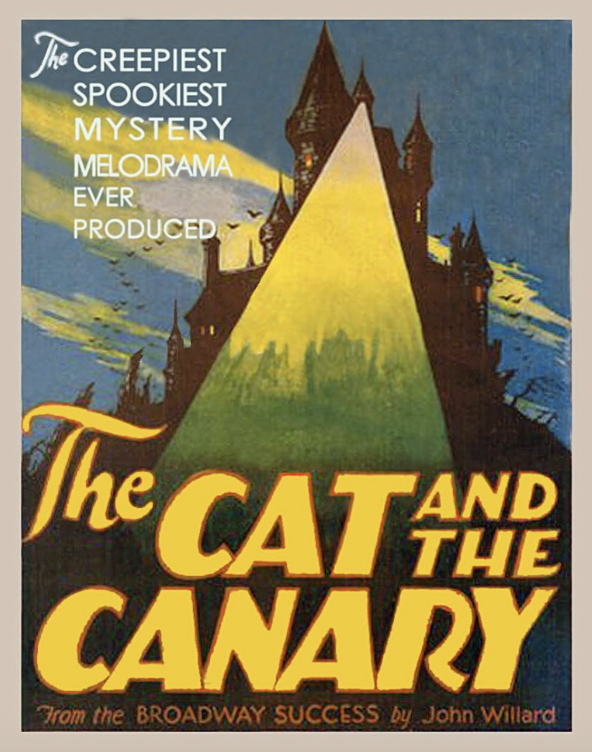
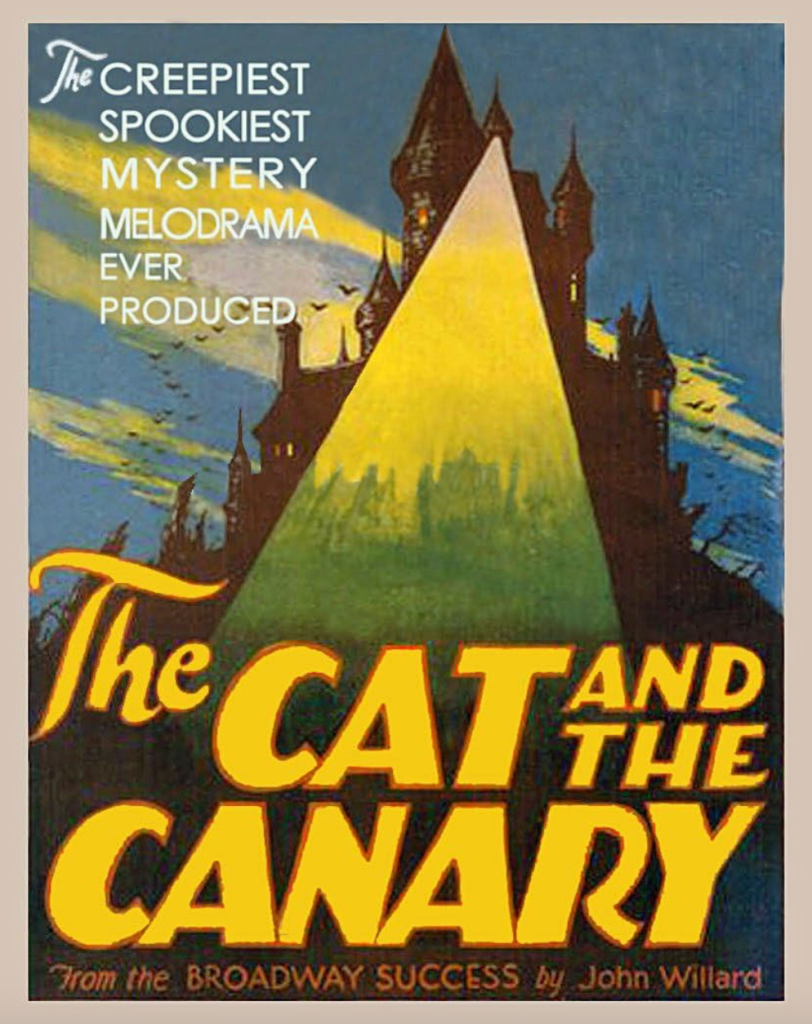
    Poster for The Cat and the Canary (1927)

    The Cat and the Canary (1927, directed by Paul Leni) takes the familiar-in-1927, overripe tropes of old dark house mysteries and puts a more comedic spin on them, but Leni can’t resist some genuine chills and gorgeously dark imagery, so the film turns out to be one of the best examples of the very thing it is pastiching.
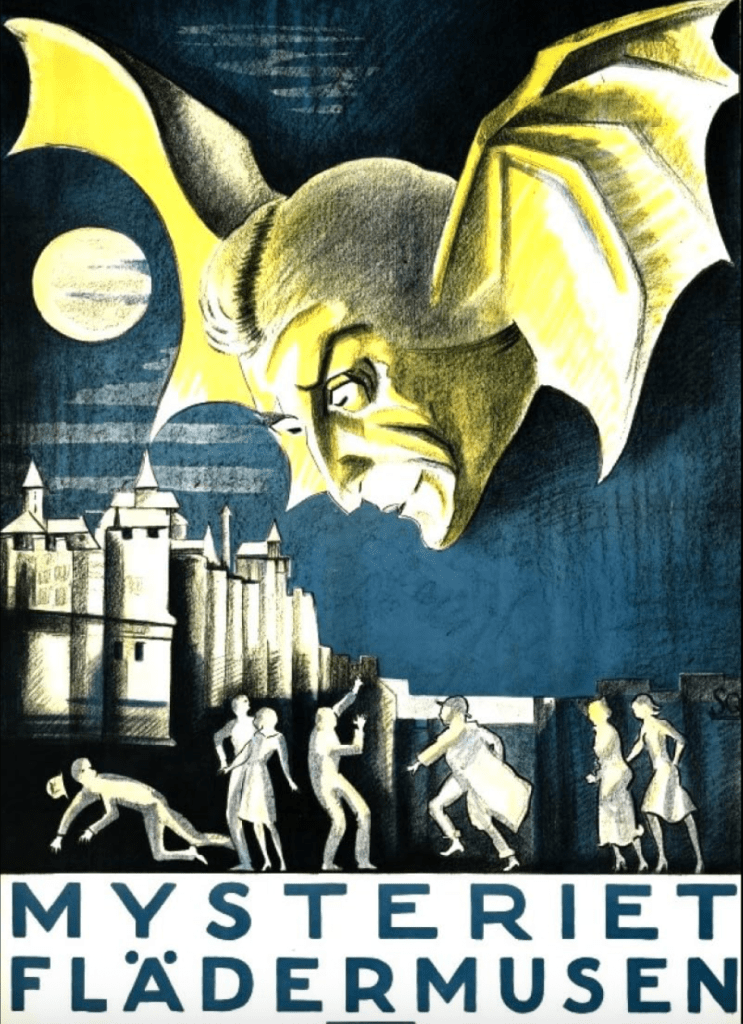
    Swedish poster for The Bat (1926)

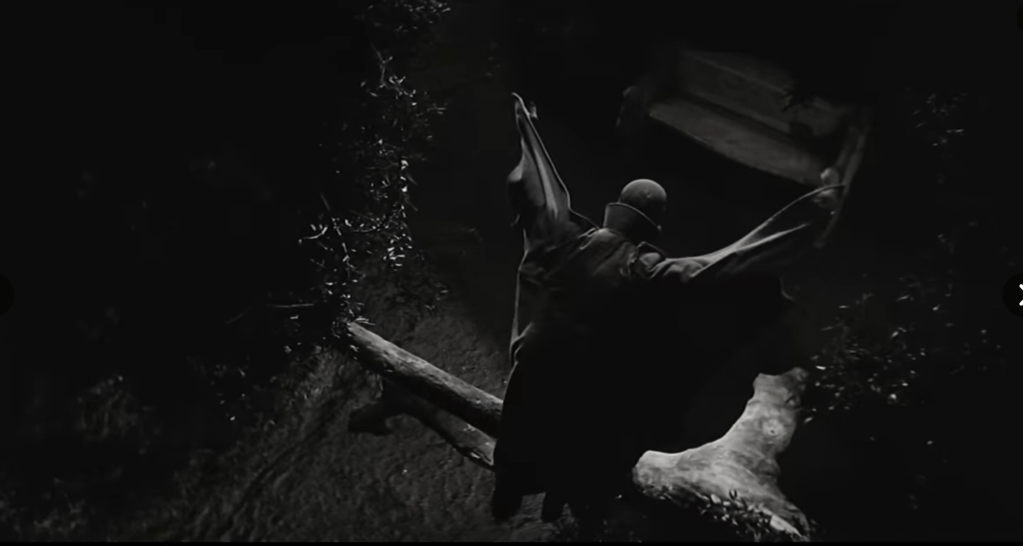
    Roland West’s first go at adapting the stage play The Bat into a feature in 1926 is a similar mix of comedy and serious thrills, evocative imagery, and a good central mystery. Some of the frames in this film should hang in art galleries. Ben Model’s Undercrank Productions label gave this a Blu-ray and DVD release last year that shows it the love it deserves.
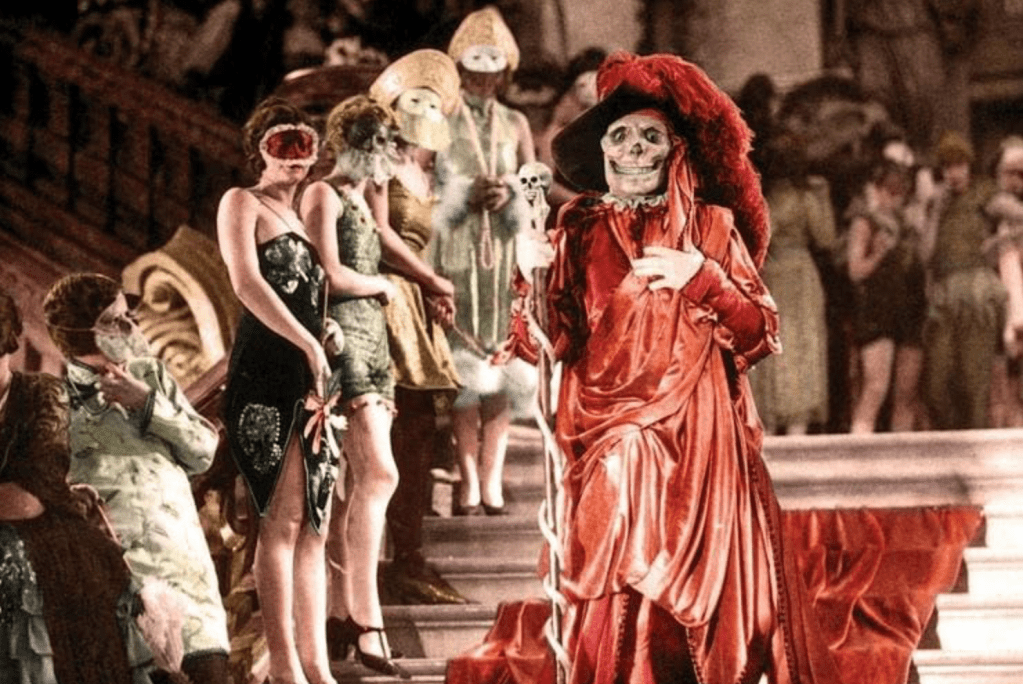
    Lon Chaney as Erik (the Phantom) at the masquerade ball

    For its 100th birthday, Lon Chaney’s The Phantom of the Opera (‘directed’ by Rupert Julian in 1925) was back in cinemas in October and I gained a new appreciation for the film and for one of Lon’s more unsubtle performances. Once his glorious make-up for Erik is revealed, the delirious journey to its brutal conclusion was grand big-screen fun.
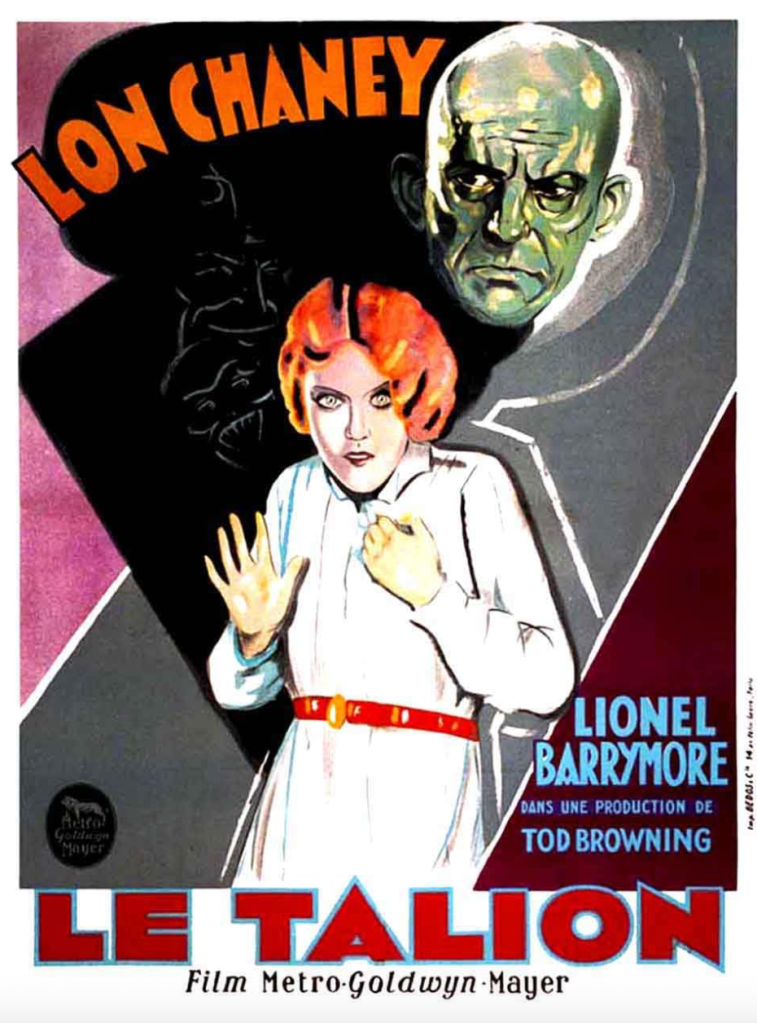
    French poster for West of Zanzibar (1928)

    On the subject of Chaney, I also hugely enjoyed the utterly reprehensible West of Zanzibar, directed by Tod Browning in 1928, which was wildly inappropriate, grotesque and deeply suspect. It’s also great fun, with a phenomenal Lon holding the entire wild ride together.
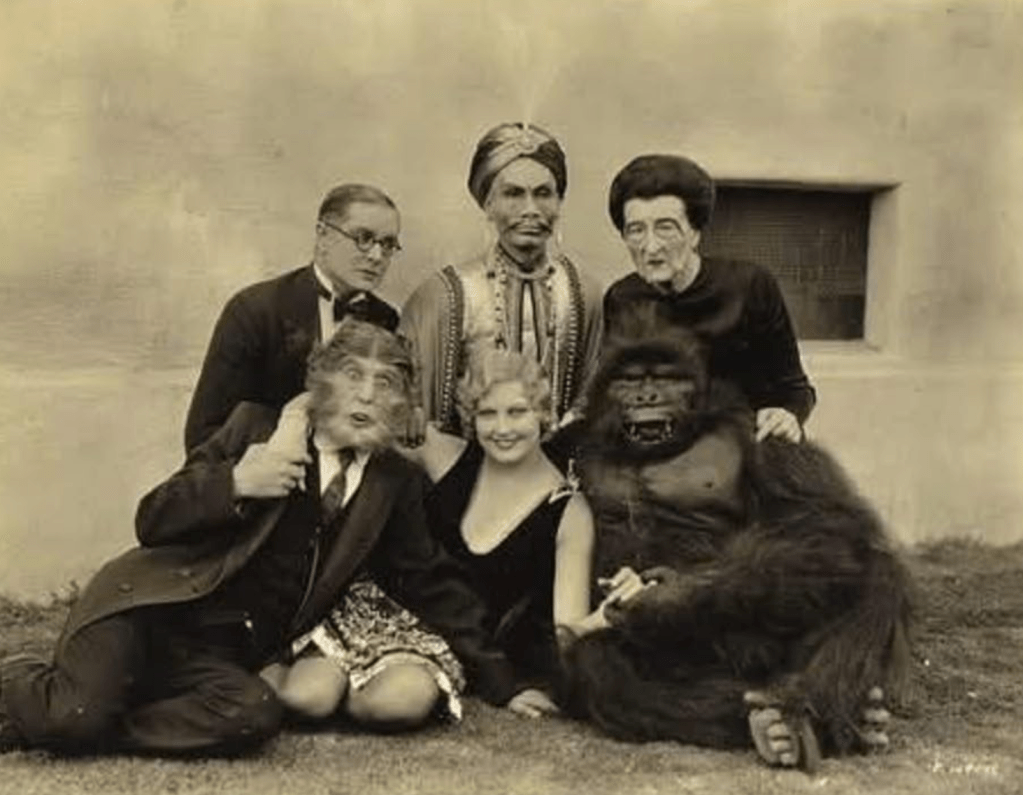
    Cast members of Seven Footprints to Satan (1929) in costume

    Wilfully frustrating, nightmarish and oddly moving, Seven Footprints to Satan (directed in 1929 by Benjamin Christensen) is best come to knowing as little as possible about it. If the photo above of key cast members doesn’t make you want to watch it now, then I can’t help you.

    Short films and cartoons
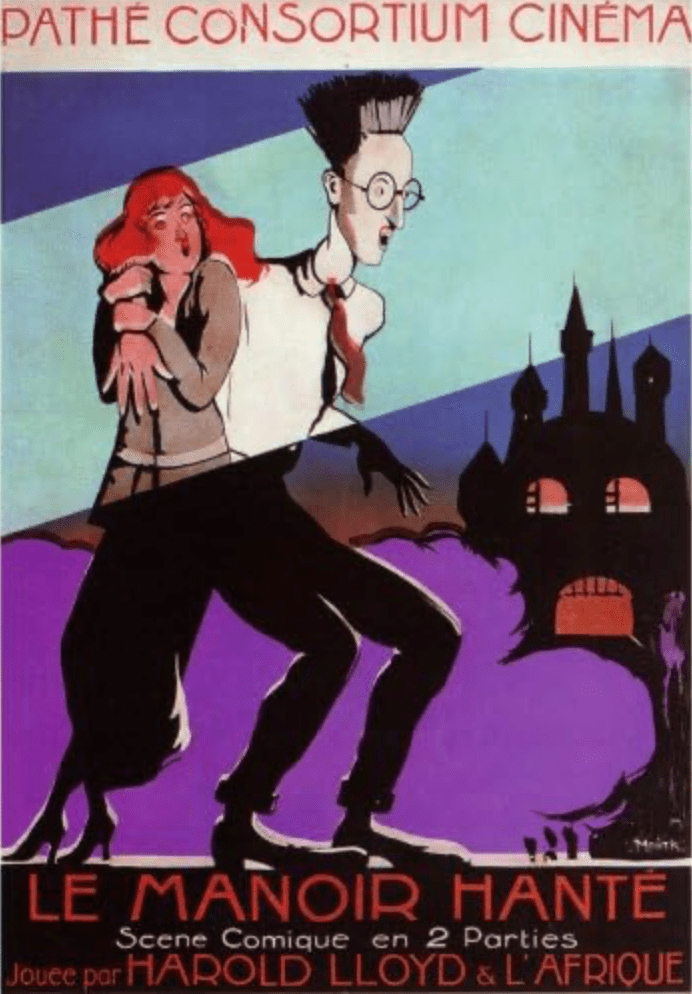
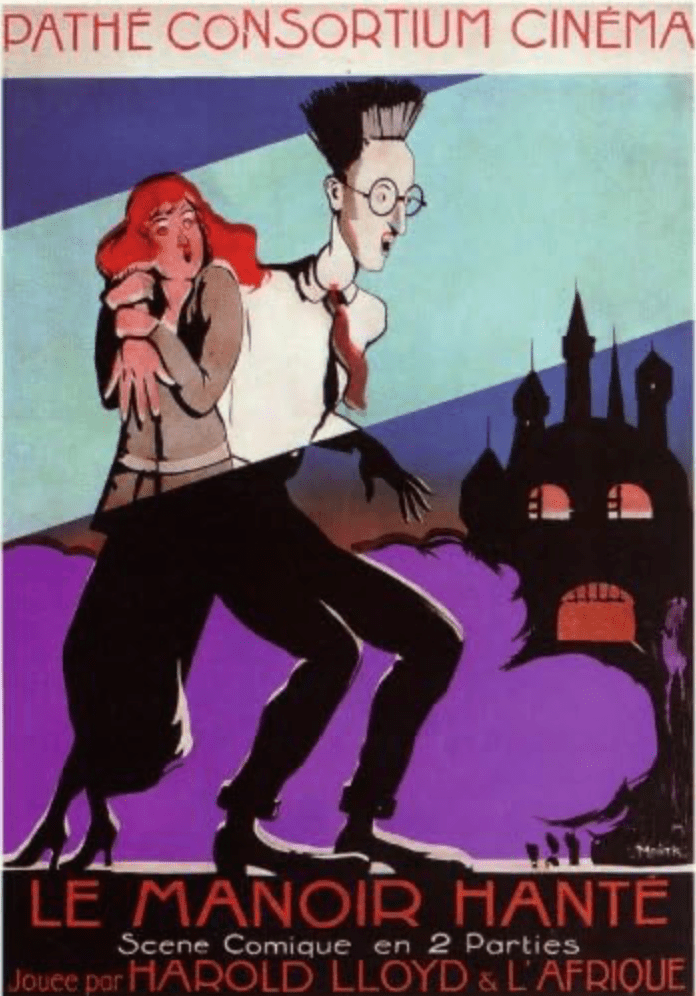
    French poster for Haunted Spooks (1920)

    The actual haunted house part of Haunted Spooks (directed in 1920 by Hal Roach and Alfred J. Goulding) is decent, silly fun marred by a disappointing raft of racist gags. The first half, which finds Harold Lloyd trying to woo his current love, get rejected, and then decide to end things, only fail every time, is much better. Dark hearted but still delightfully silly, with some excellent gags and delivery.
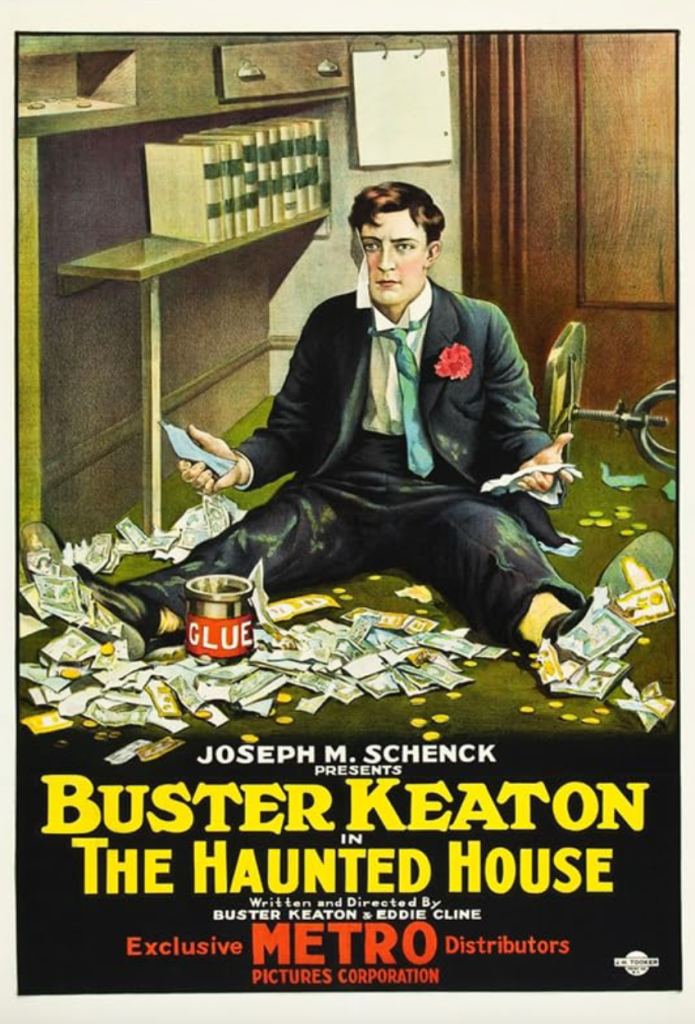
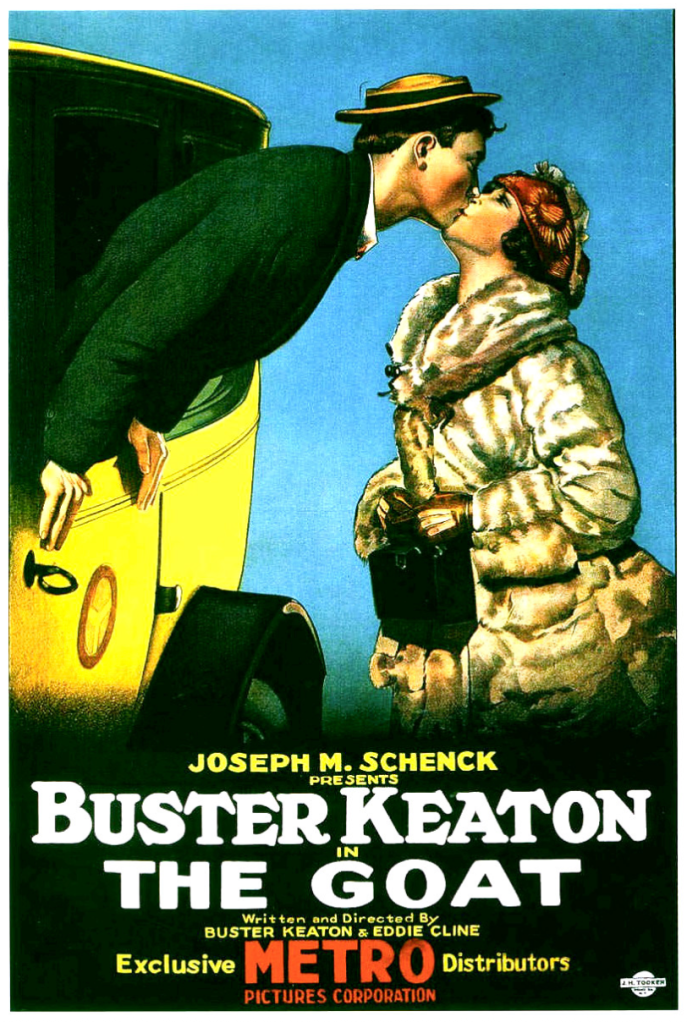
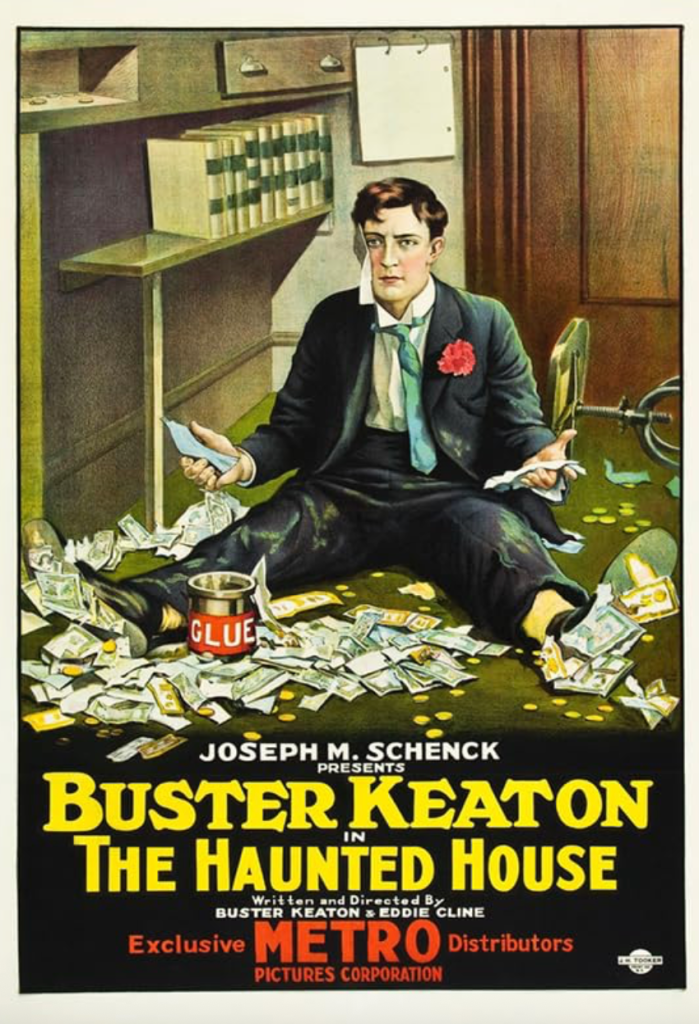
    Posters for The Haunted House (1921) and The Goat (1921)

    Two favourite Buster Keatons from this year (where every Keaton was good to great) were The Haunted House and The Goat (both directed by Keaton and Eddie Cline, both 1921), the former an inventive run at…uh…haunted house cliches and the latter an at-times jaw-dropping spectacle that has some of the best stunt work and gags he ever did, which means some of the best anyone ever did.
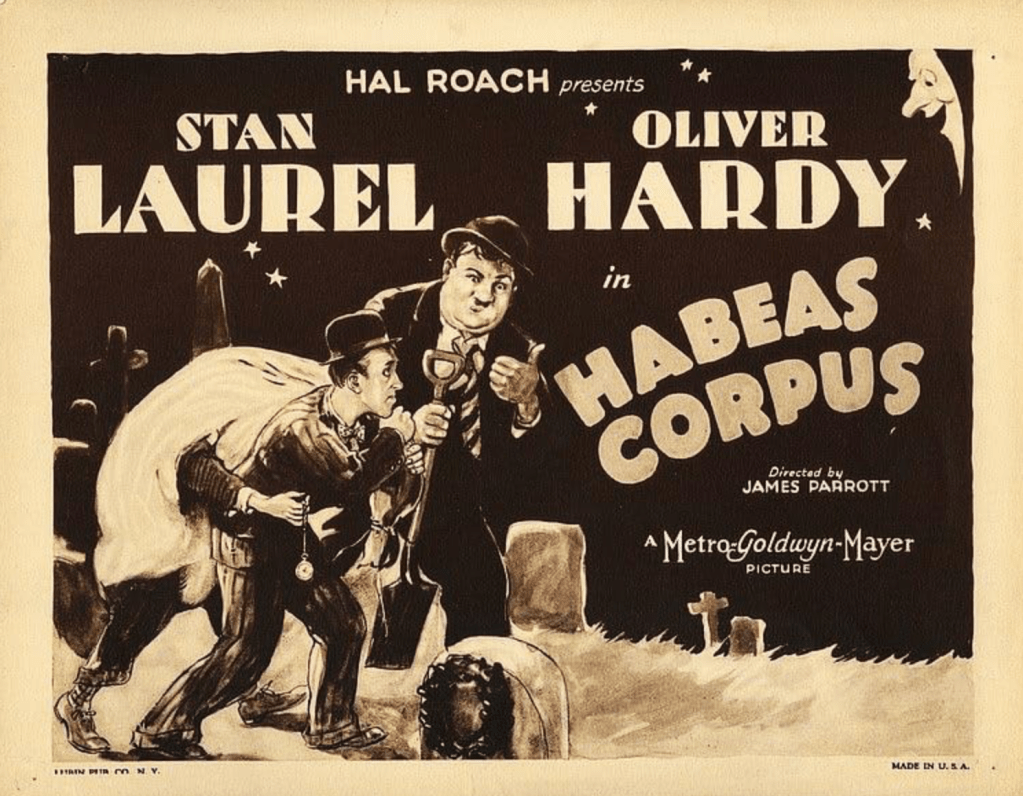
    A poster/lobby card for Habeas Corpus (1928)

    It might be impossible for me to not enjoy a Laurel and Hardy film from the twenties or thirties, and it hasn’t happened yet, with Habeas Corpus (directed by Leo McCaret and James Parrott in 1928) quickly becoming a new favourite. Their first synchronised sound picture (here meaning a score with sound effects), it’s a classic of The Boys’ broad slapstick, drawn-out gags, silliness, and graveyard shenanigans that I loved.

    Mack Swain, Phyllis Allen, and Charlie Chaplin in A Busy Day (1914)

    Chaplin’s opening run of Keystone films range from the brilliantly inspired to the dismal, but special mention in this post for A Busy Day (directed by Mack Sennett in 1914), which is almost completely morally irredeemable (extreme violence, barrel-bottom misogyny, utterly formless), but on the day I put it on, Chaplin in drag hoofing the shit out of anyone within kicking distance for 6 minutes before meeting an unfortunate end made me chuckle when I really needed it. Don’t ask me to stand by this assessment in future.

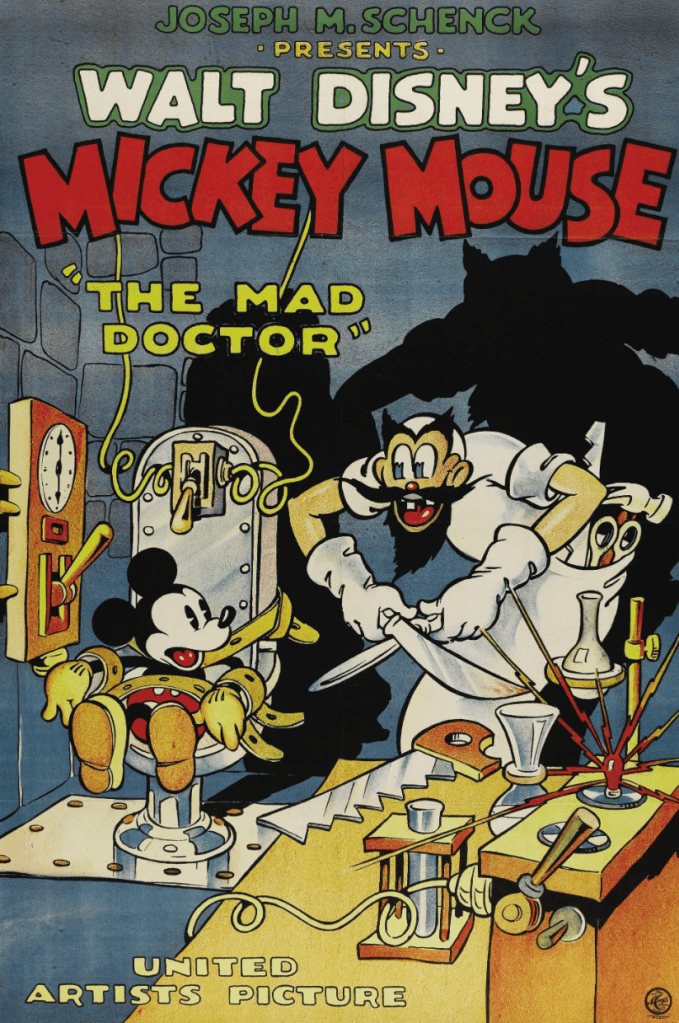
    A bad poster for The Haunted House (1929), a good poster for The Mad Doctor (1933)

    I enjoyed several early cartoon classics this year, but two Mickey Mouse ones stood out, perhaps because of how far they are apart from modern Disney, but definitely because they function as some pretty wild, gnarly horror in their own right. The Haunted House (directed by Walt Disney and Jack King in 1929) and The Mad Doctor (directed by David Hand and Wilfred Jackson in 1933) are stuffed with extraordinary animated imagery and, for the first title in particular, stack up against any serious circular nightmare horror. But you know, for kids.

    Sound films

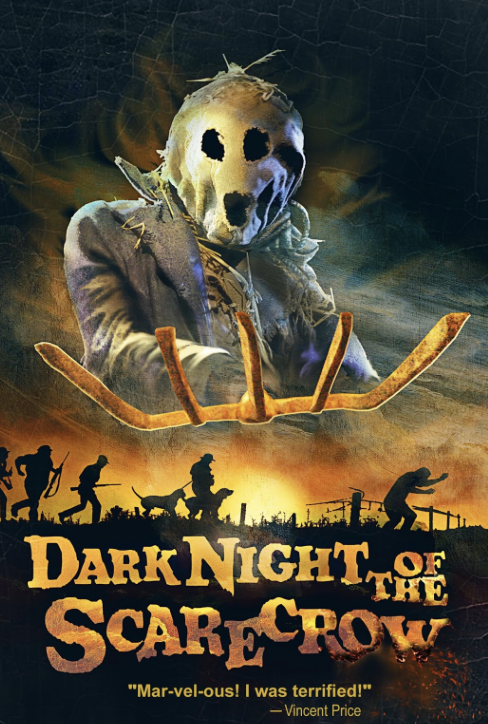
    Posters for The Man From Planet X (1951) and Dark Night of the Scarecrow (1981)

    A low key science-fiction minor classic and an outstanding television movie horror are first up. Veteran director Edward G. Ulmer’s The Man From Planet X (1951) functions as a kind of proto-Quatermass-y, horror-adjacent yarn in which a spacecraft lands on a foggy Scottish moor, intentions unknown. A journalist and scientist try to find, not that by the film’s conclusion we really know that much more for absolute certain. Game attempts at Scottish accents, solid direction and a properly alien alien are all good fun.

    Dark Night of the Scarecrow, directed for television by Frank De Felitta in 1981, is a leisurely paced, beautifully shot, frequently excellent tale of revenge that goes to some very dark places. A great cast is still dominated by a powerhouse, grotesquely villainous turn by Charles Durning as Otis P. Hazelrigg, a deeply unsettling, vile piece of work.
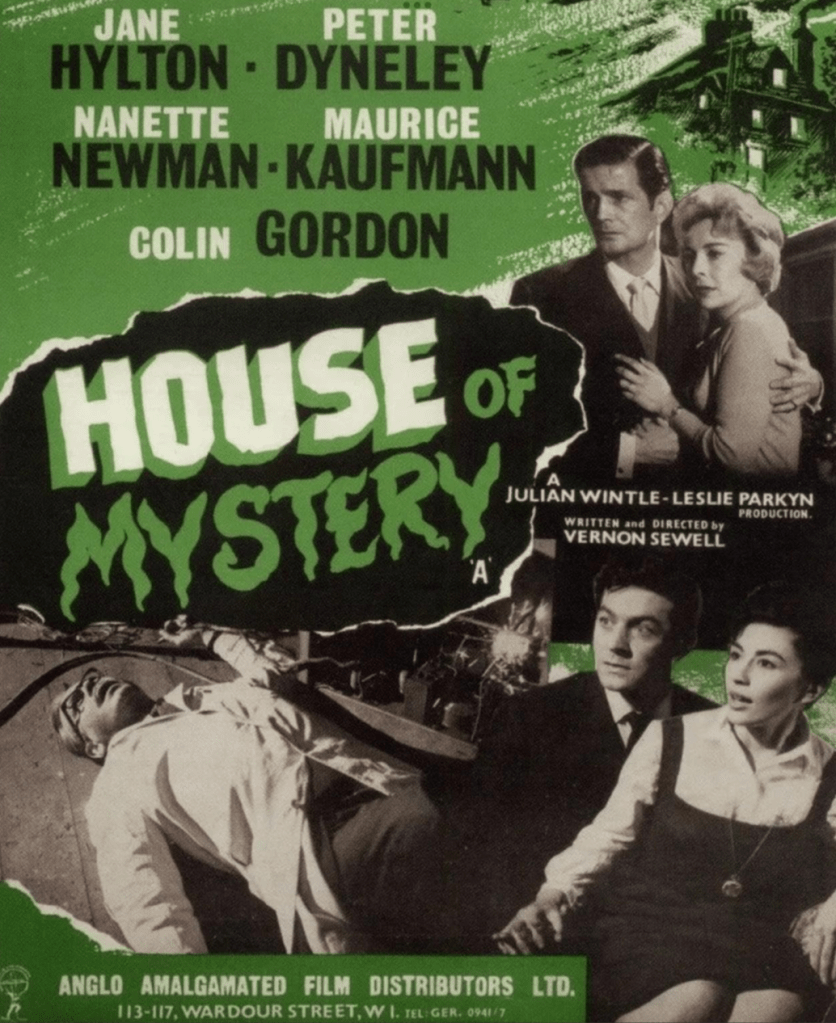
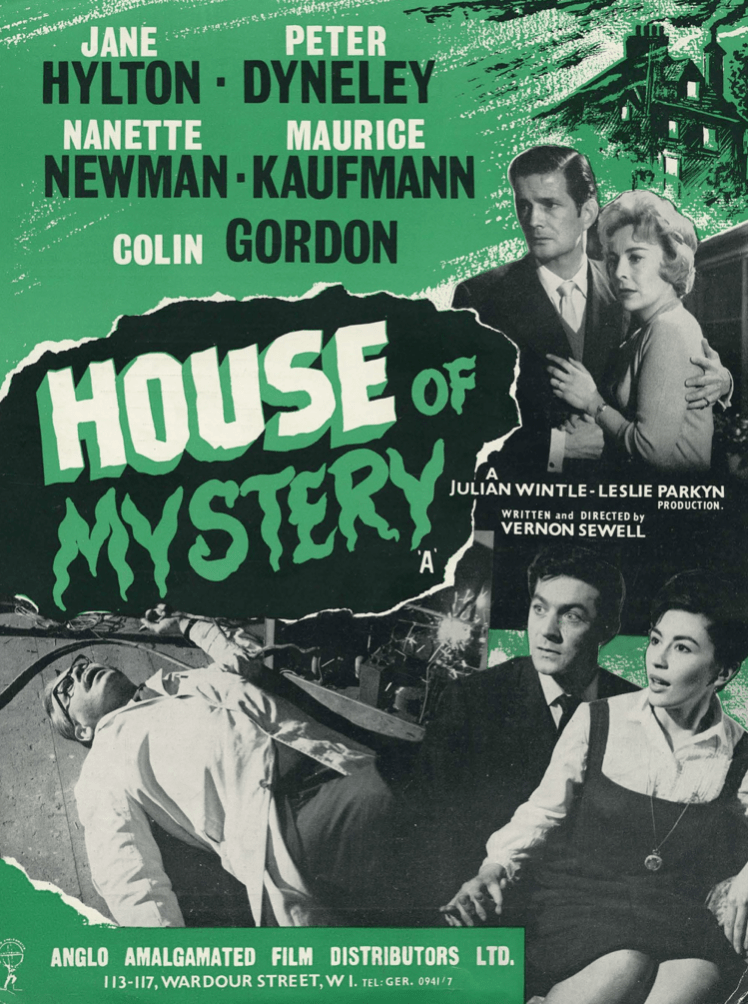
    Poster for House of Mystery (1961)

    Vernon Sewell had already made three versions of stage play The Medium by the time he had another go with House of Mystery in 1961, but let’s be glad he did. A pre-The Stone Tape riff on the concept of residual haunting, it’s mostly made up of flashbacks, and while the central mystery and final reveal are not exactly subtle, they are still effective, as is this rather wonderful little film, and it does it all in under an hour.
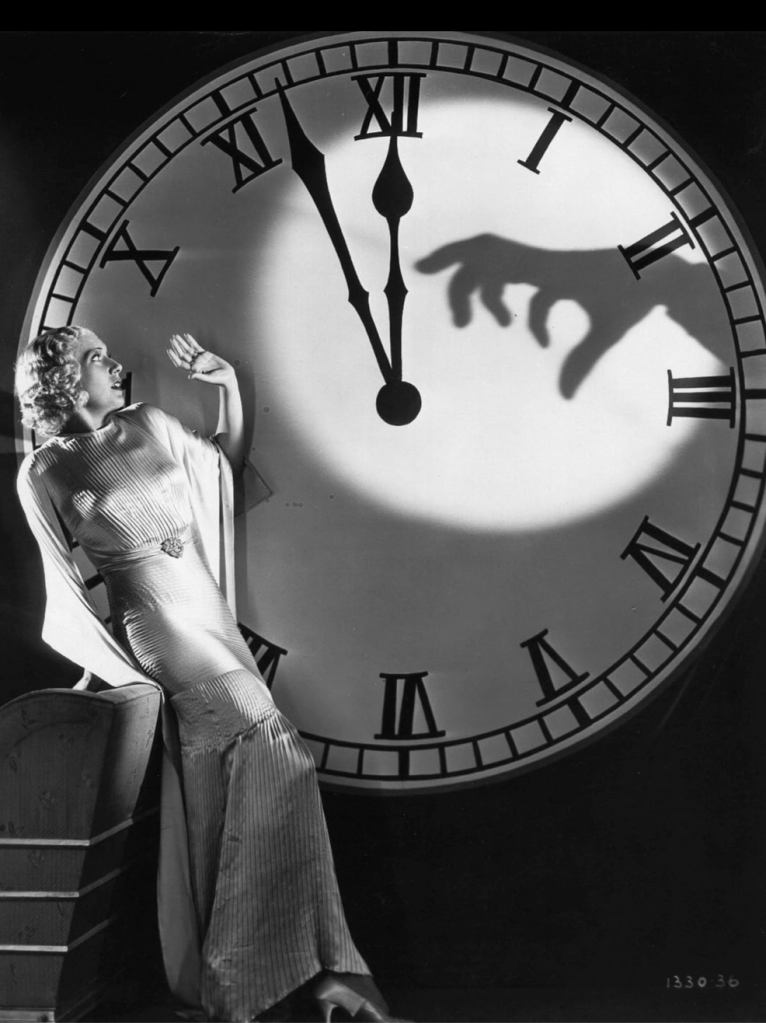
    Promo image for Murder by the Clock (1931) and poster for The Unholy Three (1930)

    Murder by the Clock, directed by Edward Sloman in 1931, is a macabre early talkie mystery thriller that has some of its stage-trained cast playing to the cheap seats with the advent of sound, but benefits from Lilyan Tashman having a blast as a scheming seductress after an inheritance. It also has an old, dark house (and graveyard!) setting, crypts, secret passages, murders and a flinty, blackly funny heart.

    The Unholy Three, directed by Jack Conway in 1930, remakes a Tod Browning film from only five years before, starring the same leading man, and sticking to the same story. Why bother? Well, this was the talkie debut of Lon Chaney, so a real event, and what better way than a story he knew and the audience already loved. Sadly, it would turn out to be his only talkie, and his last film, with Lon dying a month after The Unholy Three‘s release. We have just this one to go on, but it’s pretty clear from it Chaney’s career would have survived the transition to sound. He’s incredibly good in this, his performance charismatic, captivating and showing that he understood the new opportunities for film ahead. Lon Chaney is one of the greatest actors from the entirety of cinema history, and as a swan song for possibly the best to ever do it, The Unholy Three, and its final scenes, is pretty much perfect.

    Television
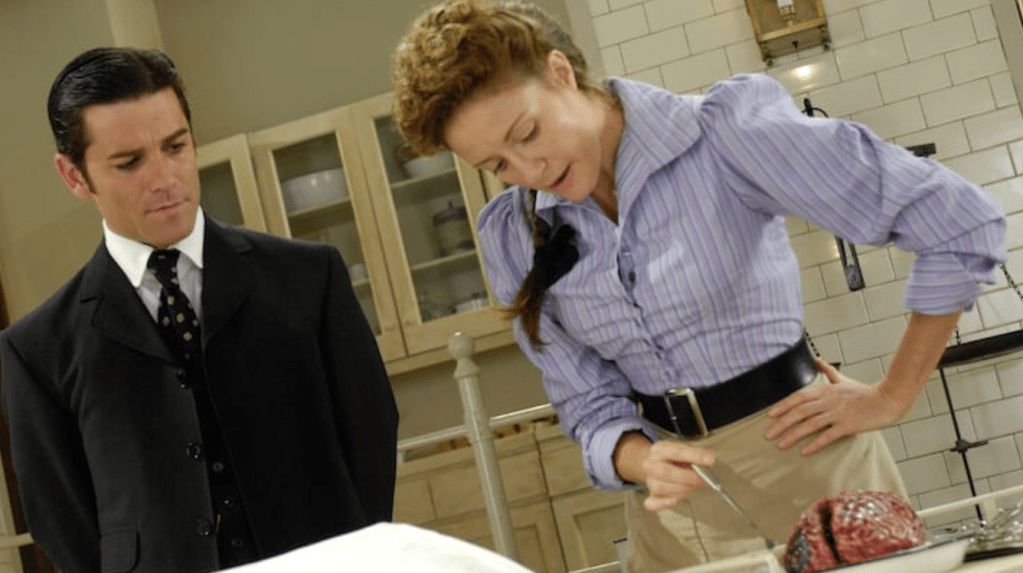
    Detective Murdoch and Doctor Ogden. And a brain.

    Highlights this year have been the always revolving schedule of shows like You Bet Your Life, The Jack Benny Program, Law and Order: Criminal Intent, The Twilight Zone, One Step Beyond, Dark Shadows, Upstairs, Downstairs and more, but the most surprisingly enjoyable experience has been a late-in-the-year start of Canadian detective series Murdoch Mysteries, based on the novels by Maureen Jennings, and currently at 19 seasons. Season one has had Murdoch meet Arthur Conan Doyle amongst others, alongside showing his fascination with the future of crime solving (‘finger marks’, lie detectors, forensic science). It’s all agreeably easy-going, but not undemanding, entertainment.

    Books

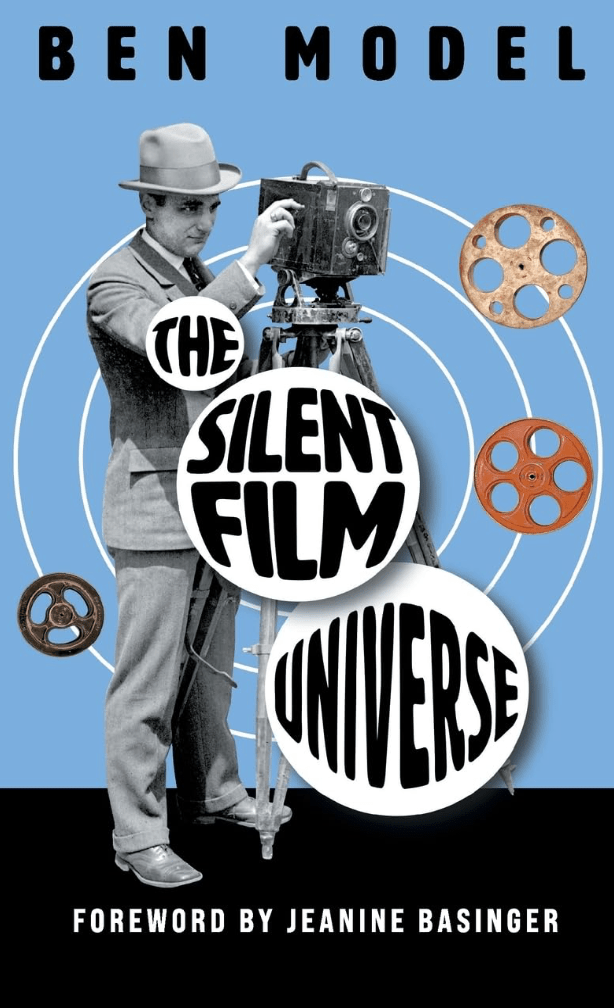
    Covers for The Story of Victorian Film and The Silent Film Universe

    Two excellent early film histories were published this year, and both combined scholarly insight with accessibility and a passion for the beginnings of cinema, establishing themselves almost immediately as key texts. Bryony Dixon’s The Story of Victorian Film and Ben Model’s The Silent Film Universe are essential reading for anyone who wants to know how we got from there to here, and why these eras of film are full of life and innovation and ever vital to explore.
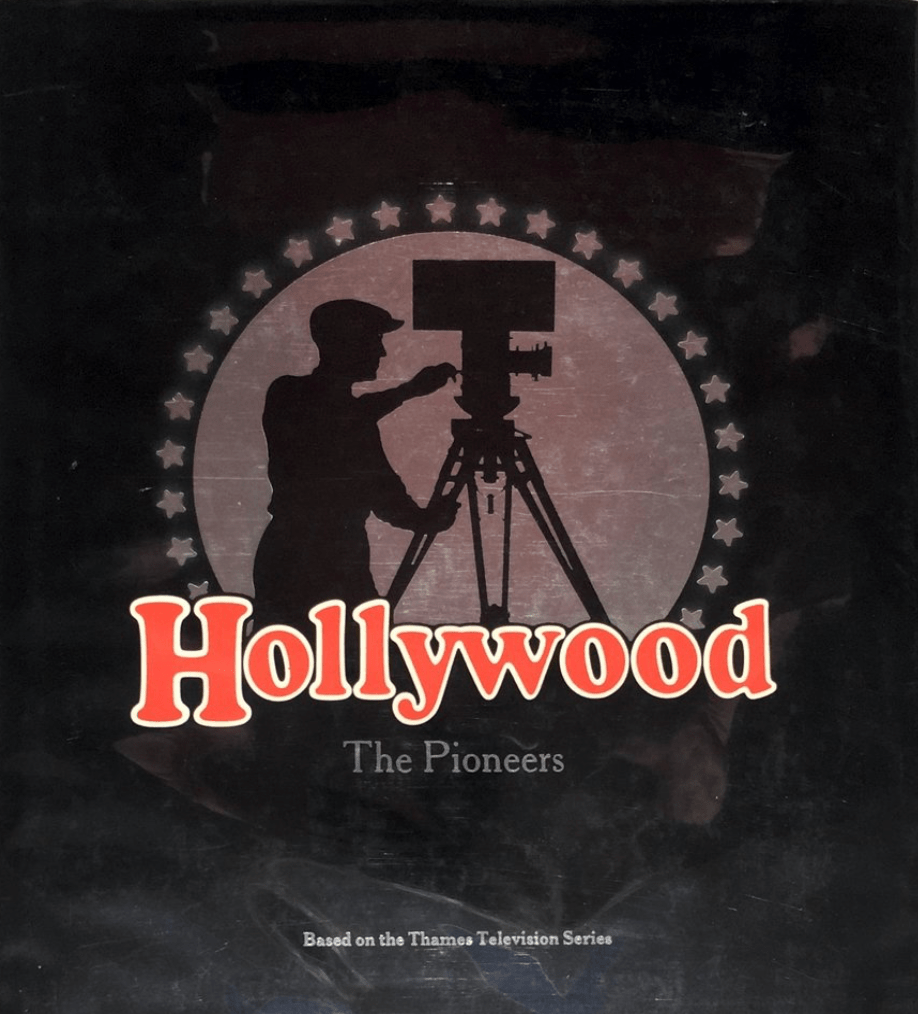
    Cover of Hollywood: The Pioneers

    Kevin Brownlow had already written one of the definitive histories of silent film with his 1968 book The Parade’s Gone By… but just over a decade later, he did it again, this time putting together the definitive documentary on silent film, the 1980 Thames Television series Hollywood. The accompanying, highly recommended book wisely doesn’t try and retread his previous work. Instead, Brownlow collaborates with another film historian, John Kobal, to create a book that is equal parts informative text and beautifully done visual history, full of hundreds of often rare photos. You can find this for about £5 (or equivalent in other areas), so very much worth it.
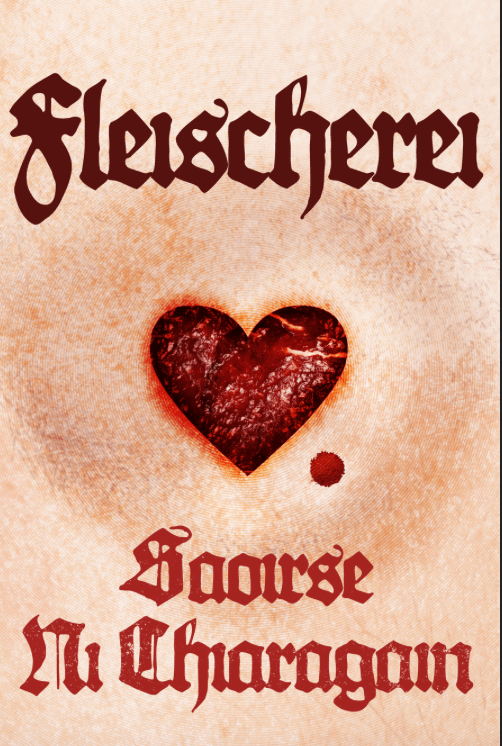
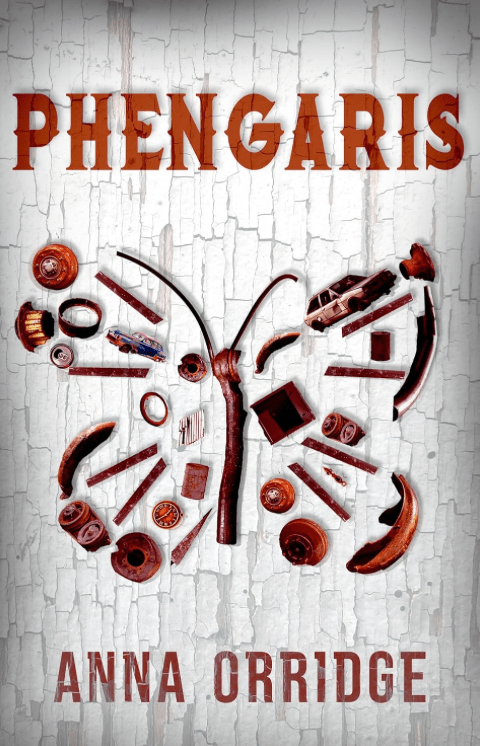
    Covers of Fleischerei and Phengaris

    I’ve written about both of these books already (Modern horror writing at its best) and they remain two of the best pieces of fiction of the year. If you haven’t already read them, you really should.

    Music

    I’ve gone from being obsessed with music a couple of decades ago, to barely registering what is happening with it these days, so probably good for me that two favourite bands released their new albums this year, Deafheaven (Lonely People with Power) and Greet Death (Die in Love). Better still that both show each band at their peak. It’s been largely either very loud explorations of losing humanity in the lust for power (Deafheaven) or deceptively pretty explorations of the darkness and beauty of life (Greet Death) and I’m grateful for both of them.

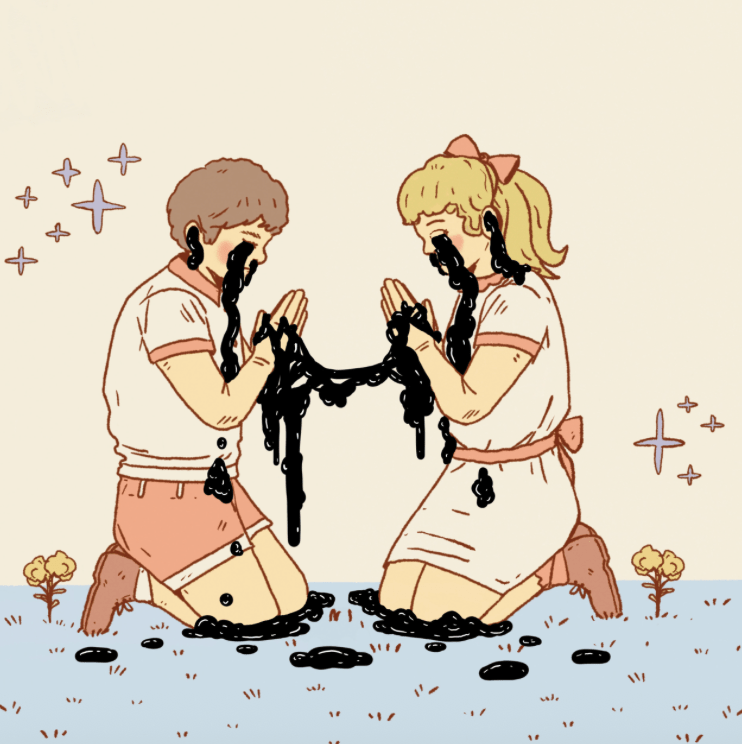
    Covers of Lonely People with Power and Die in Love
  • A Wondrous Magic to Christmas

    Finding redemption with the festive spirit (and Rod Serling and Peter Cushing)

    ” The Night of the Meek” (The Twilight Zone Season 2, Episode 11)

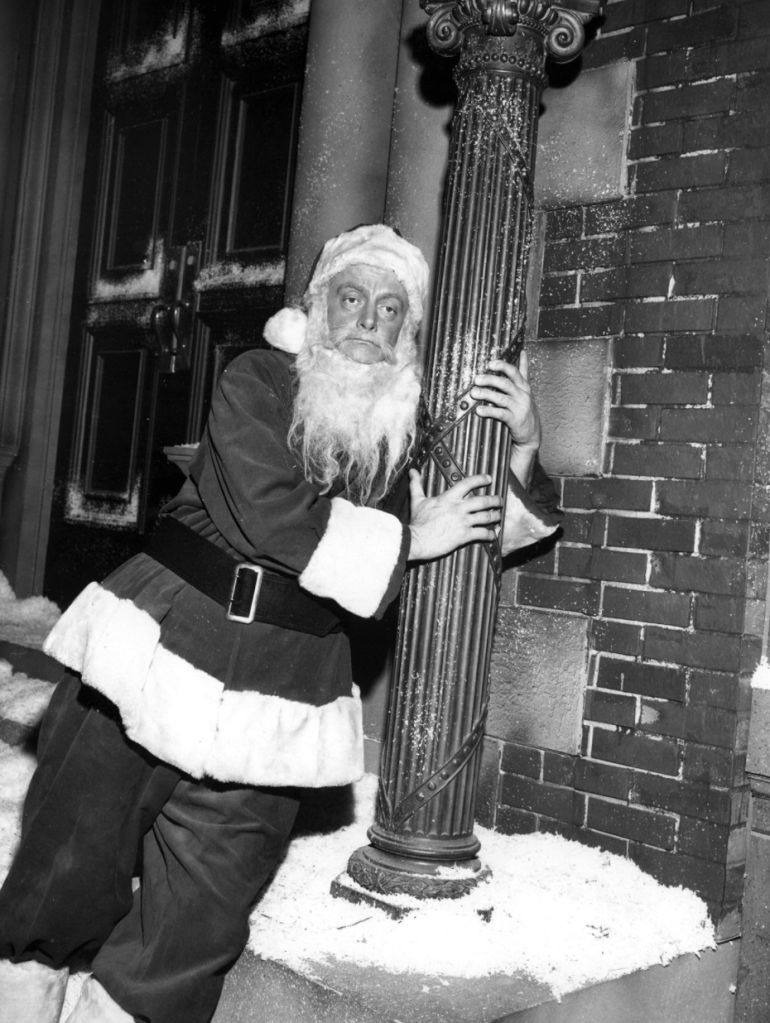
    Henry Corwin in Santa costume, looking the worse for self-inflicted wear

    The Twilight Zone is inarguably one of television’s truly great series. For an anthology show it has a remarkable hit rate. Every such series had its duds but for this show, they are few and far between. Even the weakest episodes have something to them, a line of dialogue or a moment that sparkles. For this writer, Rod Serling is one of the most gifted writers the medium has ever had, and in addition to that was a compassionate person who used his work to connect audiences with their fellow humans, to illuminate the human condition, to encourage us to be better, to do better, to try again. The Twilight Zone often traded in stinging or stirring tales of fantasy, science fiction and sometimes horror. As with many shows, it also had its Christmas-themed episodes and it is one of them, “The Night of the Meek”, covered here.

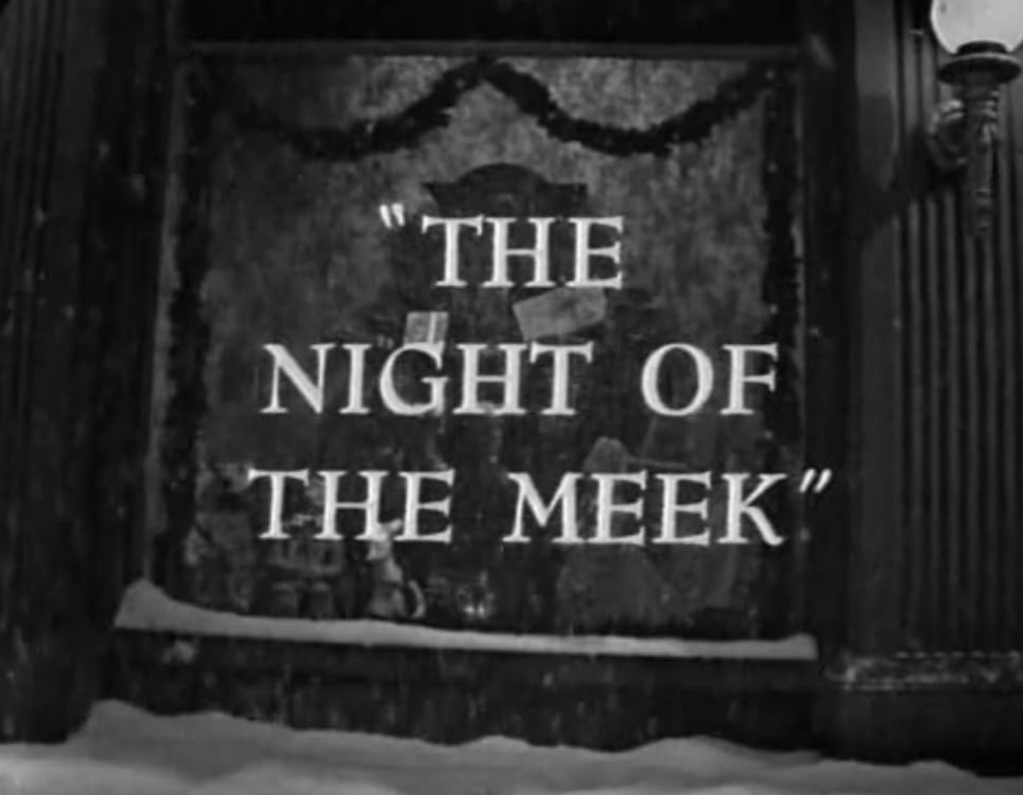
    Title card for The Night of the Meek

    The macabre in Meek is people. The set up in the episode is following department store Santa and general sad sack Henry Corwin. Corwin doesn’t have much to look forward to other than his next drink. He lives in a ‘dirty rooming house’ and his world is one of hungry children and other ‘shabby’ people just like him. Corwin lives for his Santa routine but the shine has gone out of it.  His suit is old and worn and when he shows up too late and drunk with it for his gig, it’s over – he’s fired and ordered out of the store. Despite all of his woes, Corwin muses if he had one wish, it would be for the meek to actually see some rewards. When Corwin can’t even get back into the bar he frequents, he stumbles down an alleyway where the sound of sleigh bells are heard. 

    Corwin in his Santa costume in the department store, being berated by his boss

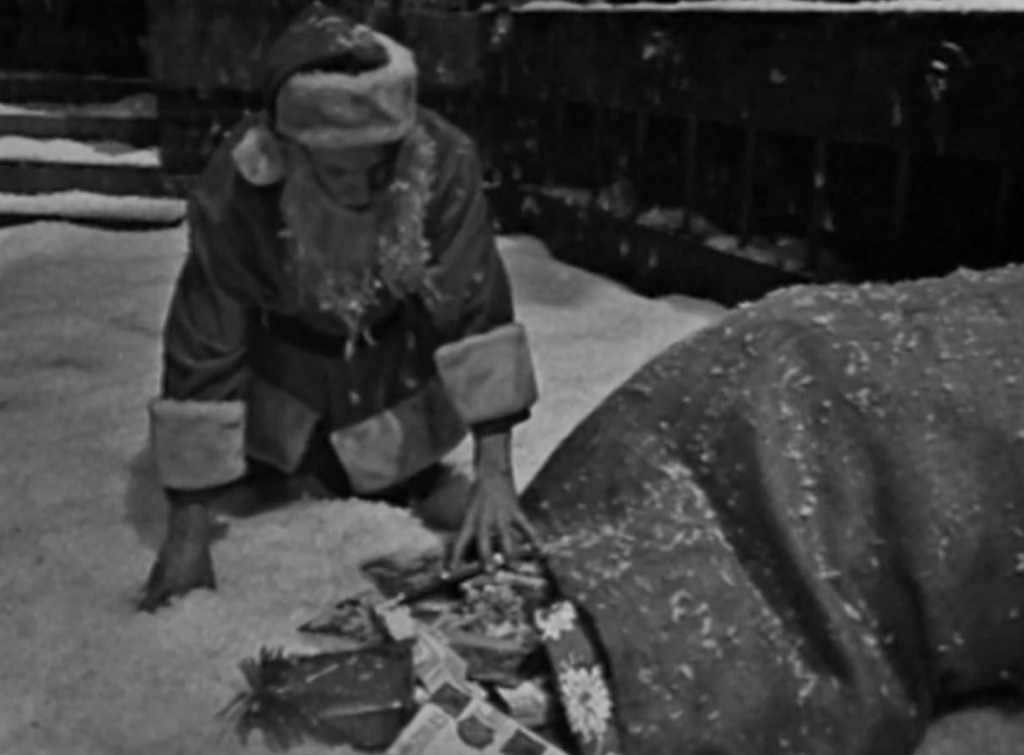
    In the alley, Corwin comes across a sack that he quickly discovers appears to have magical properties. It produces a seemingly never-ending stream of gifts. Whatever someone asks for, they get. His dream coming true, Corwin starts handing out gifts to the poor kids and down and out men nearby. The episode continues with this mix of melancholic reality and fantastical whimsy towards its hopeful conclusion.

    Corwin discovering a sack full of presents in a snowy alley

    In the episode, people are the worst. Everyone expects and looks for the worst in Corwin because that’s the type of guy they think he is. It’s the type of guy Corwin has come to think he is too, and it’s pretty obvious his idealism and hope is frayed and being drowned in a puddle of cheap booze.  Corwin is us – we want to believe in the best of people, but people make it pretty damn hard. Now, Serling had around 25 minutes an episode to do set-up, delivery and conclusion of his stories and so subtlety was not always the prime concern. The characters, Corwin included, are mostly broad sketches, with people like the shop manager Dundee being not much more than functional cliché. They’re ciphers for the point Serling is making about what Christmas can represent. 

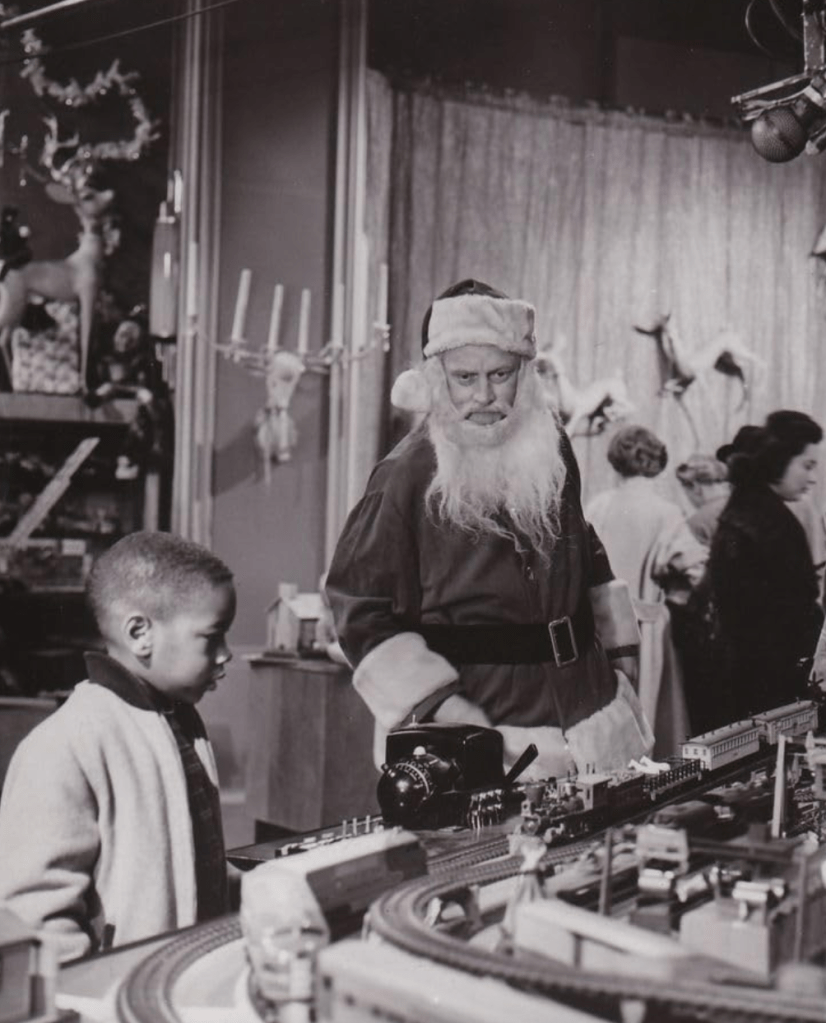
    Corwin watching a young child enjoying a train track set up

    It can, if we let it, represent good will to each other, hope for the future and the unity such celebrations can bring.  If we let go of the hardened cynicism and the weariness, if we let such notions in, even if it’s only for one night we can believe that we’re more good than bad, that’s there something worth saving in us, that we can believe in magic. For many, that’s a hard thing to do in a world, in a world that tells us there’s no magic left, only bleakness and decline. In the time The Twilight Zone was first airing it was only 15 years or so since the end of WW2. It was before Vietnam, race riots, Watergate and innumerable other events conspired to convince even the most indefatigable optimist that we’re on a downward spiral as a species. 

    That’s not to say things were better then as many things were emphatically not. But it’s for this reason that we should arguably let a little magic into our lives. Believing in Santa Claus might have ended a long time ago for most of us but believing in each other, or that there is some goodness out there, is something we all need these days. And if anyone can convince you to believe in your bones that humans are redeemable, it would be Serling.

    Rod Serling in coat covered in totally real snow, speaking to camera

    As Rod himself puts it in the closing narration “There’s a wondrous magic to Christmas”, so here’s to Henry Corwin and here’s to The Twilight Zone and a momentary respite, a sliver of the brightest light in the darkness of winter.

    Cash on Demand

    Cash on Demand title card

    How does Cash on Demand (1961, dir. Quentin Lawrence) evoke a similar joy? Well, it’s not just the ideal Christmas movie but a reminder that, for those of us who might despair at humanity’s worst instincts more days than not, change is possible. Based on the play, it’s the tale of bank manager Harry Fordyce (Peter Cushing), a fussily fastidious man who rules over his branch not so much with a clenched fist but a puckered sphincter. The opening scenes set up the tight-knit team of staff in the bank as they await Fordyce’s arrival. When he does appear their anxious joviality is curtailed and it’s down to the business of money.

    Fordyce looking for flaws in the polished plaque outside the bank

    Not long after this, André Morell pulls up at the bank, his character Colonel Gore-Hepburn supposedly an insurance inspector but in fact a bank robber. Using threats and coercion, Gore-Hepburn forces the unravelling Fordyce to partake in robbing his own bank. Without giving anything away, the plot twists, new wrinkles are added and tension is ratcheted up. Throughout all this Cushing is wonderfully good, ensuring Fordyce is no cliche and imbuing him with humanity throughout. Morell matches him throughout as the smooth, assured, and ruthless bank robber. 

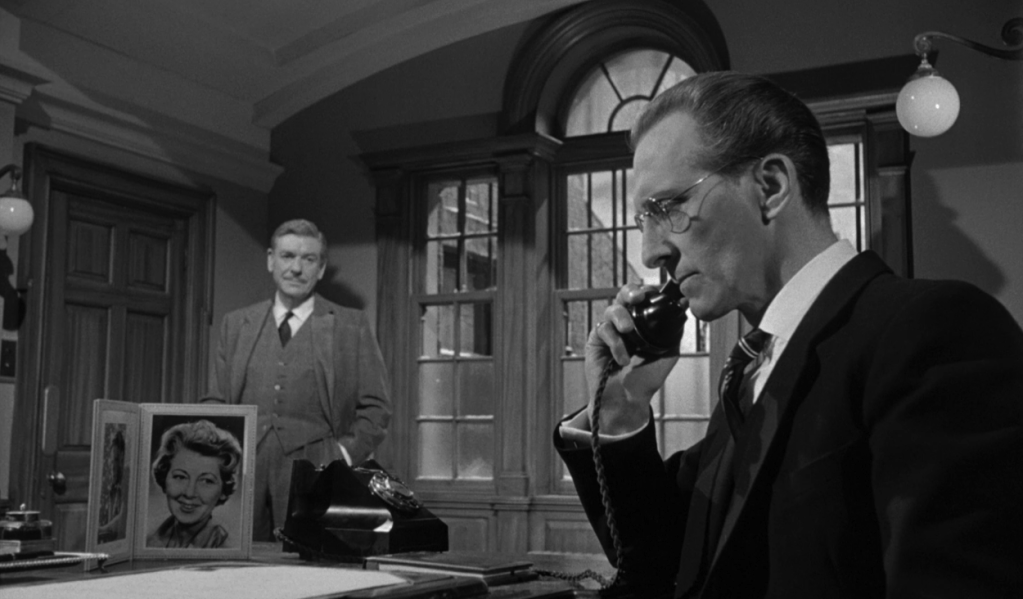
    Fordyce on the phone in his office as Gore-Hepburn looks on, his plan coming together

    Cash on Demand is a twist on A Christmas Carol. Fordyce might not be the wicked man Scrooge was, but he has forgotten what makes a person. He’s not mean to his staff so much as dismissive of their personhood and feelings, only focussing on the bank and profit. We know early on he has a child and wife he feels affection for, but that’s as far as human warmth goes for him. As Gore-Hepburn’s scheme to steal thousands of pounds unwinds, and Fordyce is forced to become part of the heist, he must confront what he has become, what is really important to him, and reconnect with the world he lives in. It’s an uplifting, very human film about hope and change and our ability for both that is just as needed in these modern times.

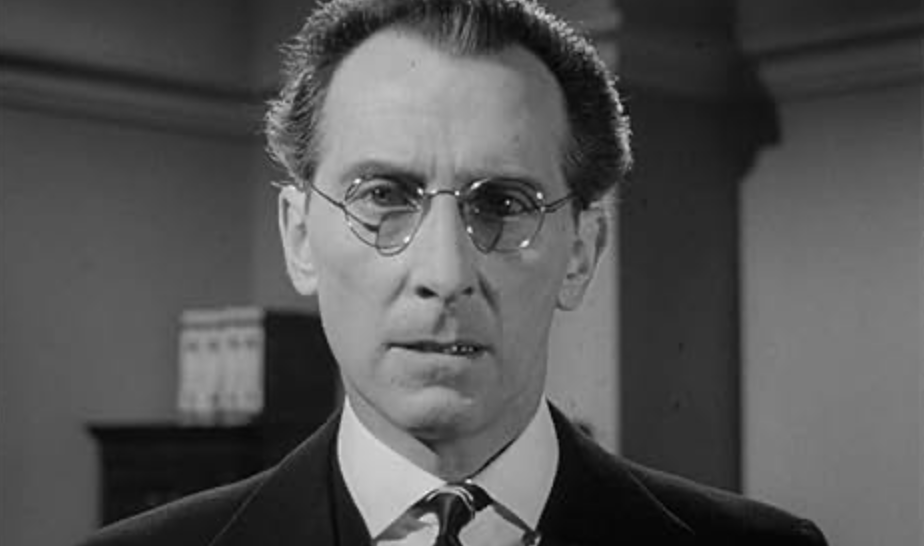
    Fordyce looking directly to camera, a concerned and unsettled look on his face

    The Christmas trappings aren’t window dressing either. The time of year the story is set is intrinsic to the mood and atmosphere of the piece and to Fordyce’s journey. Of course, it’s a fine film that could be shown at any time of year. But what it says about us as people is a classic Christmas message. If you want a beautifully judged thriller, full of quotable dialogue, with one great scene after another, excellent performances, and something to say about what it means to be alive, this is it.

  • Whitechapel: A bloody good time

    A Great British horror television series remembered

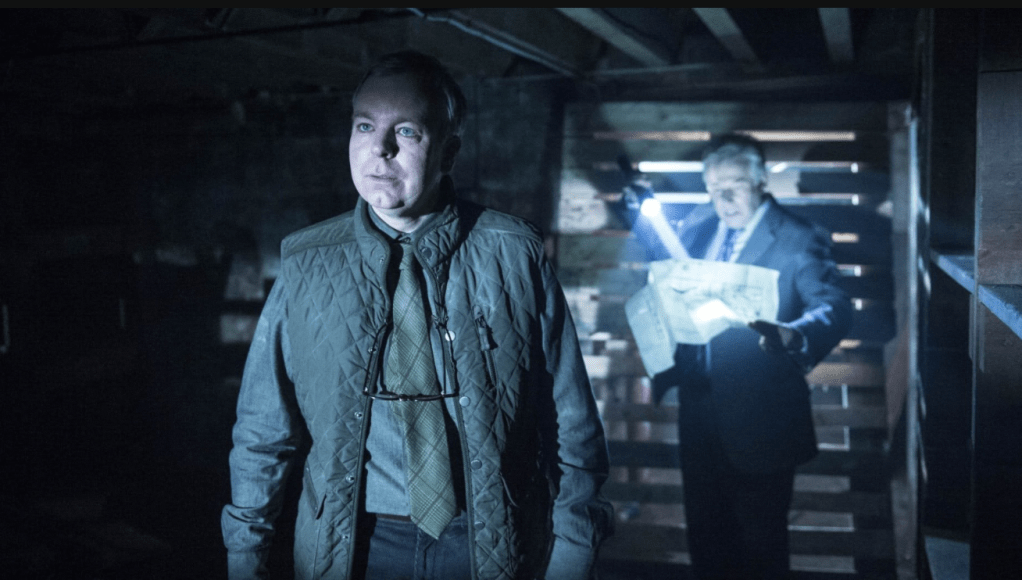
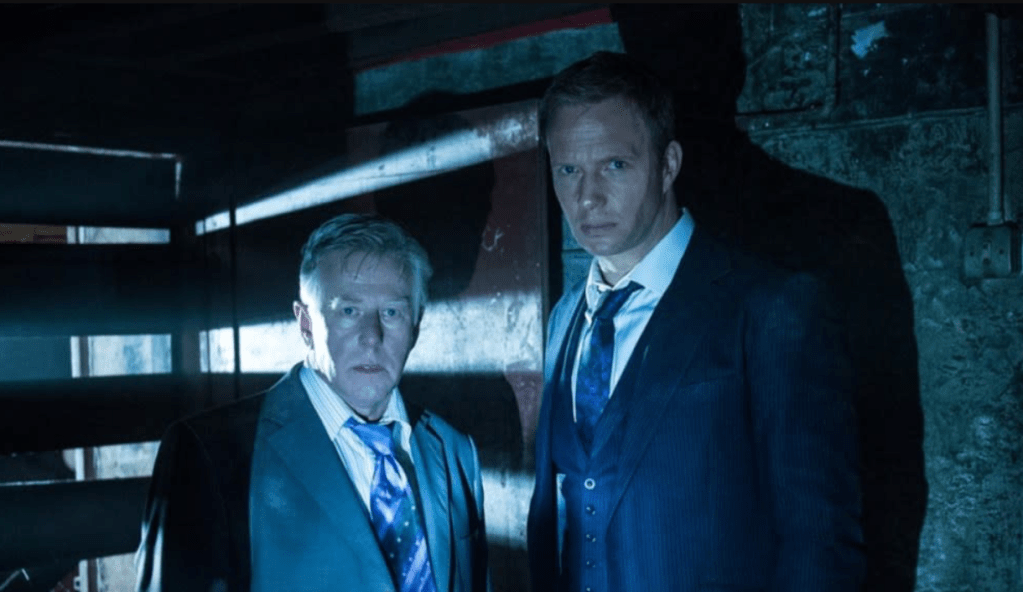
    Phil Davis, Steve Pemberton and Rupert Penry-Jones as the central trio of Whitechapel

    When we talk about the best British horror television, it seems there is rarely a mention of Whitechapel, which ran on ITV for four series between 2009 and 2013. Perhaps that is because Whitechapel was presented at first glance as An Other cop show, if ever so slightly more acquainted with the grimmer side of that genre. It was so much more than that in its finished form. And so, dear reader, it’s time to set things right and celebrate this glorious, pulpy, luridly compelling and emotionally involving show. Be warned, said celebration is slightly spoilery. 

    Created and almost exclusively written by the couple Ben Court and Caroline Ip, Whitechapel starts by taking us into the heart of darkness that is a copycat killer seeking to reenact the murders of Jack the Ripper, bringing a new reign of terror to the capital. Subsequent series explore the secret sons of the Kray twins following their fathers’ worst examples, and tales inspired by H.H. Holmes, the Marquis de Sade, London After Midnight, witch hunts, a killer who flays the faces from their victims and a deranged cult seeking to bring about the apocalypse. Then there’s the ongoing arc that bubbles away in the background about Whitechapel very possibly being a gate to hell. Add to that the mysterious Louise Iver, played to perfection by Angela Pleasence. Iver may be a sweet if somewhat rude old lady, but she also may be something even older and significantly more evil and dangerous. The clue might be in the name.

    One of the things that makes Whitechapel so enjoyable is the cast and characters. As the first series begins, Rupert Penry-Jones plays DI Joseph Chandler. Joseph is the son of a well-respected and long-dead police officer. The largely untested Chandler has been put on the fast track to promotion by his father’s friend Commander Anderson and is given his first big assignment when a woman is found murdered in Whitechapel. He arrives to lead the team charged with investigating it, a team in practice being lead by the old school copper DS Ray Miles, played by Phil Davis. Soon, and much to Miles’ displeasure, Chandler has enlisted the involvement of noted Ripperologist Edward Buchan, played by Steve Pemberton. Buchan suggests to Chandler that the murders that are afflicting Whitechapel are the work of someone trying to recreate Jack’s crimes in precise detail. So begins this unlikely and at times often uncomfortable trio’s journey into a hidden and deadly part of London.

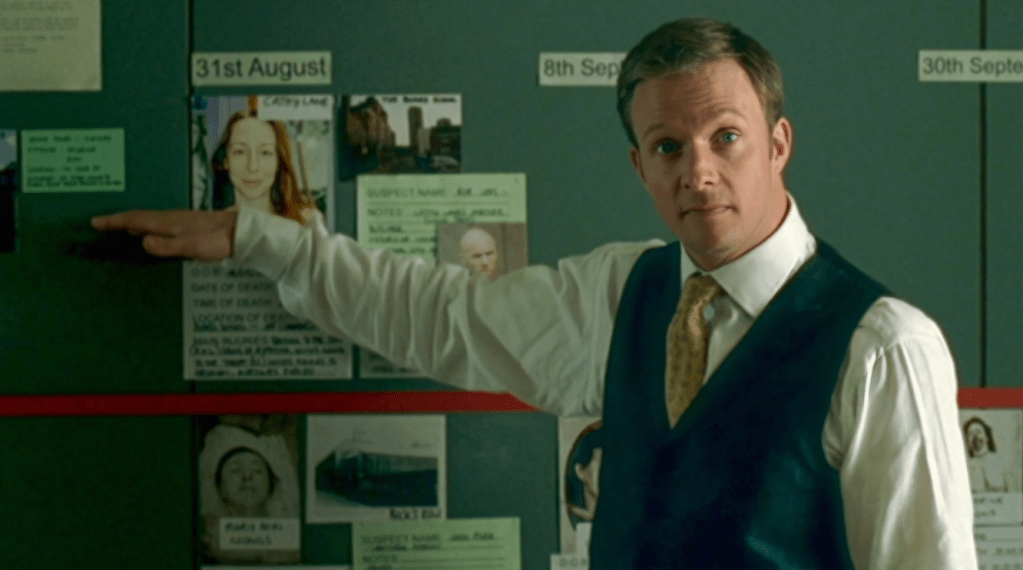
    Joseph Chander in front of a crime board

    Whitechapel is a darkly violent series and doesn’t shy away from presenting the killings and the impact they have on those investigating and the community itself. So far, so lurid. And yet, through its minor characters and particularly Buchan’s character arc it balances this out by paying attention to the victims. From a writing perspective, Court and Ip are skilled at including the briefest of character moments that allow peeks into their lives beyond what is presented onscreen. Whitechapel takes place in a version of London that has violence seeping through its cracks at every turn, in later episodes almost apocalyptically so. The characters provide a counterbalance to this that allows the show to walk a tightrope between pulp, horror-soaked crime and retaining its humanity.

    Chandler ready to box, Miles ready to soak up the blood

    Our three nominal leads do some of their best work in this series. Penry-Jones’ Chandler at first threatens to be the cliched ‘untested’ but arrogant cop-in-charge but Court and Ip subtly subvert that early on and expand on it throughout. Chandler is the very image of well-presented modern policing: meticulous, smart and indefatigably moral. But he’s also riven by self-doubt and neurosis. There’s some short hand here in the way that is done, particularly with Chandler’s fixation on physical order, but it is thought out, sympathetic and never played for cheap laughs or at the expense of actual depth. Penry-Jones is excellent throughout, ensuring Joseph is a fully rounded character. Davis matches him as Miles, and although the two must initially play out the combative new vs old school methodology cliche, again Court and Ip subvert this. The relationship that develops between Chandler and Miles is the core of the series but it is never allowed to get stale or comfortable. These two men find something in each other, but it’s not as brothers or a father/son surrogate but instead something deeper and more satisfying.

    Buchan and Miles in a shadow filled room

    Pemberton has the flashier role, as the show begins. Buchan is a Ripperologist who runs walking tours of the area where Jack did his ‘work’. He has a deep knowledge of the criminal history of Whitechapel and considers himself an investigator. But Buchan is out of his depth and as the first series progresses is forced to confront his own relationship with the crimes and how exploitation and the distance of time has allowed him to disconnect from the real-life weight of grief. His desire to be clever and invaluable to the investigation has personal consequences that follow him for the rest of the series. Pemberton does some excellent work exploring Buchan’s moral and professional collapse and subsequent rebuilding.

    The rest of the cast, which shifts slightly before settling into a unit for the final two series, provide Chandler, Miles and Buchan with a solid, likeable team. Another admirable aspect of Whitechapel is Court and Ip avoiding the modern malaise of the workplace ‘family’, that cliche ignoring as it often does that families bicker, sometimes viscously so, and that peace is sometimes uneasy, just as it is here. It’s a mark of a good cast that every time a regular appears (like Claire Rushbrook’s Dr. Llewellyn) it’s not just to further the plot, we also want to learn a little bit more about their characters. The various guest performers that fill the series are excellent too, from Craig Parkinson’s Kray twins via Peter Serafinowicz’s unnervingly bad apple cop to Lydia Leonard’s doomed Morgan Lamb.

    Miles and Chandler in – surprise, surprise – a shadow filled room

    There are other crime dramas that have an affection for horror and pulp influences that are clear in their approach, notably Luther. But although such shows and films with flirt with these influences they are first and foremost thrillers. Whitechapel is a procedural, there’s no doubt of that. But it is equally pure horror and once it reaches the third series, goes full tilt into first slasher influences and then a run of witches, urban legend (killer pigs in the sewers anyone) and apocalyptic terror. The series loves its milieu and there’s a lot to enjoy in picking out these influences and the tributes and homages that fill the episodes and load it with atmosphere. There are some bravura, tension-packed set pieces throughout and the show is agreeably unafraid of the absurd and the overblown when it is needed, delighting in red herrings and left-turn plot twists.

    Amidst all of this, Whitechapel never forgets its characters or its humanity. It is a series that sets out to thrill, disturb, entertain and deliver heart too, something it succeeds in . Take this as full-blooded recommendation thatWhitechapel is one of British television’s finest, most enjoyable horror series, ripe for (re)discovery. 

  • A Peculiar and Beguiling Bleakness

    Casting the Runes (1979) and updating M.R. James for the Scarred for Life generation (this article previously published on the now-defunct Horrified website)

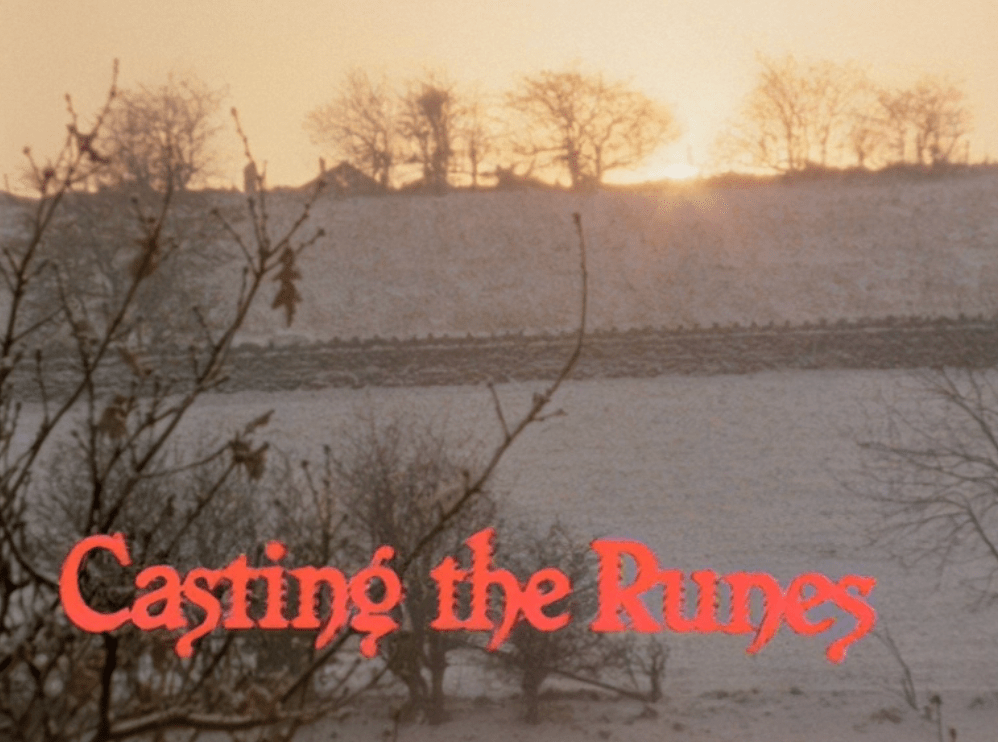
    Title card of the episode shows Casting the Runes written in red against a shot of fields and trees covered in snow, the sun’s rays raising from behind a hill

    The 1970s was a time of wild contrast in Britain. Wealth inequality was at its lowest but the country was beset by industrial action. Music, film and television had entered a period of creative fecundity that would continue Britain’s position as an innovator and leader in culture. Alongside this, the country was afflicted by power cuts, inflation, the rise of the far-right and the beginning of the slow death of that one-generation-only dream of the middle class. Parallels can be drawn with our most recent decade or so, one where it has seemed the good times are over and terminal decline is inevitable. 

    It is perhaps then not surprising that the horror produced throughout the decade had a peculiar and beguiling bleakness. Stories across books, film and television took us to dark places and often left us there at their conclusion, no happy endings or release. One of the towering achievements of these years was the annual BBC A Ghost Story for Christmas, a mix of filmed adaptations of M.R. James, Dickens and original screenplays (one of which, Stigma, was contributed by the writer of this version of Casting the Runes, Clive Exton). These haunting tales of a genuinely disturbing and dangerous ‘other’ lurking just out of sight are rightly hailed as classics of the genre. 

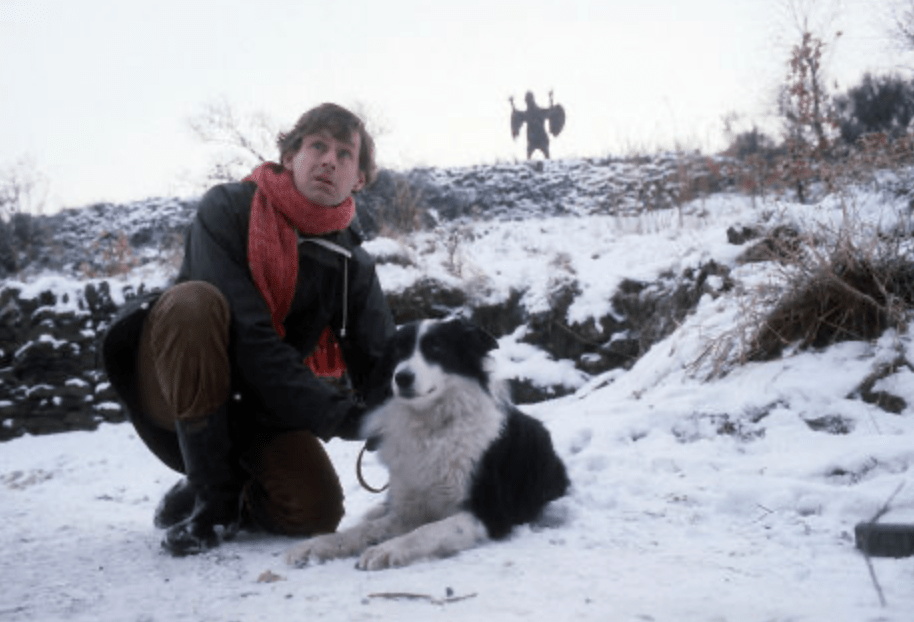
    A man and a dog crouch on snowy ground, looking around them, the man appearing to be concerned – behind him, on the hill, a stone figure of a demon can be seen

    All but one of these were directed by Lawrence Gordon Clark, a talented director with an unerring ability to present creeping dread onscreen. After he had finished with the BBC sequence, Clark wasn’t done with the supernatural. For the ITV Playhouse strand he took on the challenge of providing an updated version of M.R. James’ ‘Casting the Runes’. The story had been adapted some two decades before for the classic Night of the Demon (1957, dir. Jacques Tourneur), one of the great British horror films. A decade later it was adapted again for the anthology series Mystery and Imagination, an episode that is sadly lost to us.

    As with Jacques Tourneur’s film, Casting the Runes updates the story to contemporary times. It gives us a female Dunning (played here by Jan Francis) and an American Karswell (Iain Cuthbertson) and adheres loosely to the main beats of James’ chilling short story. It’s a version that isn’t particularly well remembered these days, or seemingly thought of highly, in comparison with its more elegantly mounted BBC relatives, or the 1957 film. We have a tendency to compare needlessly, and a low-budget 50 minute television adaptation shot on a mix of film and video has little chance of equalling the impact of a crisply produced black and white big screen version directed by one of Hollywood’s most skilled psychological horror craftsmen.

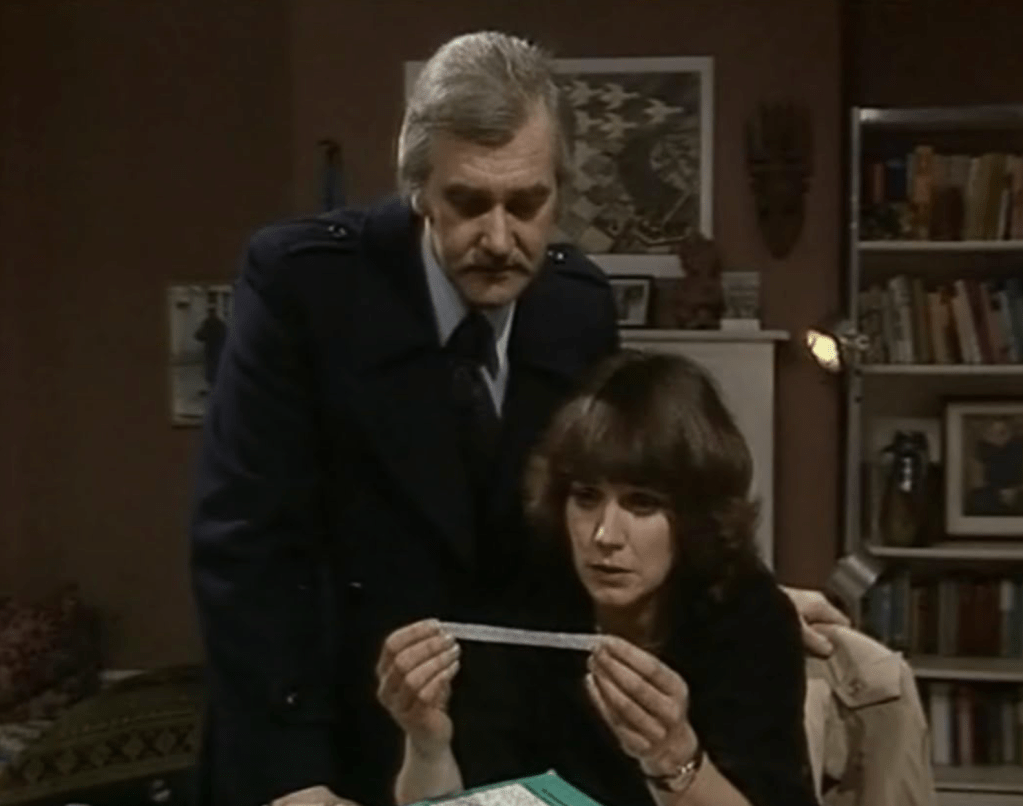
    Dunning and Derek Gayton in a room, looking a small slip of paper with runes on them

    And yet, there is much to enjoy in this production, starting with a glorious opening sequence which took full advantage of the blizzard conditions it was shot in. There’s a clear folk horror influence to this beginning, evoking memories of films like The Blood on Satan’s Claw (1971, dir. Piers Haggard), finding as it does the menace inherent in indifferent nature. As we start, a man we later learn is called John Harrington is out walking his dog in the snowy countryside until the animal becomes unnerved by the presence of something out there with them, something that is slowly, inevitably hunting John. It benefits hugely from the snowy landscape and, in its un-retouched presentation on DVD, a scratchy film print as well as a menacing score. 

    In this iteration, Karswell is a cult figure, the self-styled Abbot of Lufford, and he has made somewhat of a name for himself as writer of a book called ‘A History of Witchcraft’ and as proponent of a philosophy that would have ‘Vice as the only true virtue, lust as the only true modesty, indecency the only true decorum and evil the only true good’. When Karswell is mocked by a television exposé on ‘mumbo jumbo’ produced by Dunning, he determines to take his revenge on her next. Our introduction to Karswell is the converted rectory where he lives, surrounded by grand gold ornaments. Karswell enacts his curse, manufacturing a meeting with Dunning. When Dunning is attacked in her bed by a creature created from Karswell’s magic, and she learns Harrington had written a scathing report of Karswell’s book and paid for his life with it, Dunning begins to understand her scepticism will not keep her safe.

    Karswell, a smugly mean expression on his face, holds a small figure with red clothes and dark hair

    The remainder of the play, whilst not overtly frightening or aiming to be, is equal parts unnerving and melancholy. Exton and Clark work together to create a world where the characters live in a definably real world that is being intruded by something ancient and unrelenting. There are some great performances, with Francis an anchor to everything as the unravelling Dunning. Cuthbertson has a grand time as the wicked Karswell, here a genuinely malevolent presence, a character who seems to revel in the power he wields. Being a production made in the 1970s and filtering through a decade of that beguiling, bleak approach the play also has a suitably harsh conclusion as it fades out, the wreckage caused by Karswell extending far beyond the final shot of a devastated Dunning.

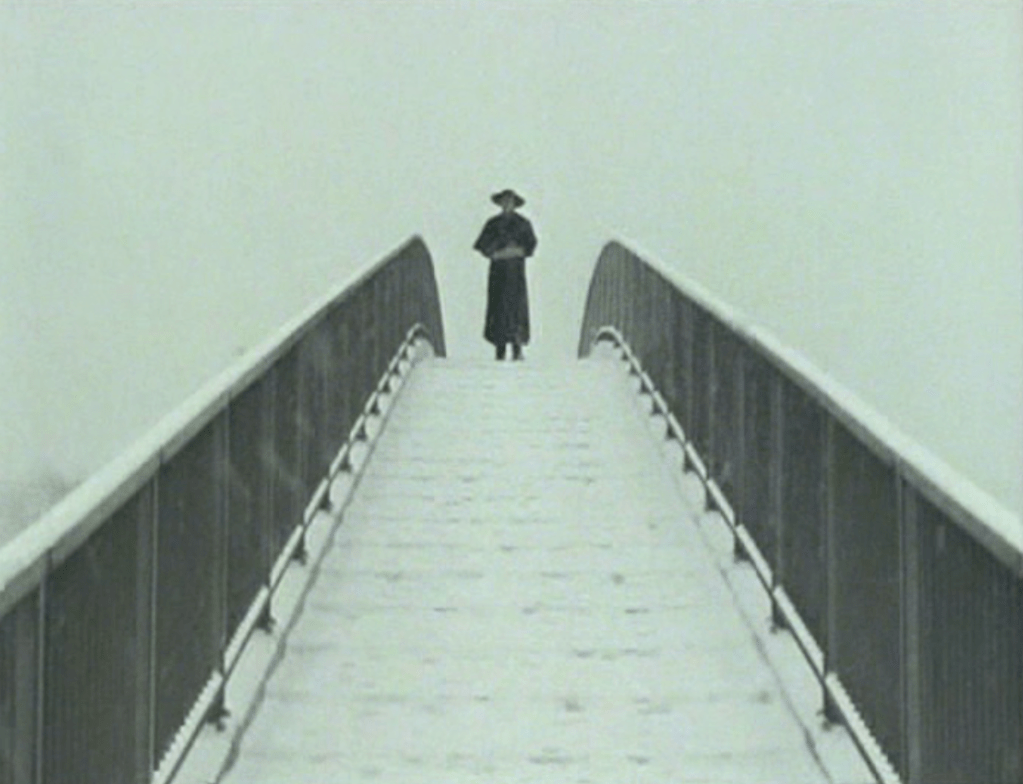
    A man in a long coat and hat at the crest of a footbridge covered in snow

    Though not part of the BBC ghost stories, this adaptation of ‘Casting the Runes’ shows Clark learned well what worked for them and has much to recommend for those who appreciate the uniquely chilly, uncompromising horror the 1970s produced and acts as an effective chaser to much of what proceeded it. 

    (The version referenced throughout is from a now out-of-print Network DVD release, though the episode can be found in other places online)

  • Carl Kolchak: An Appreciation

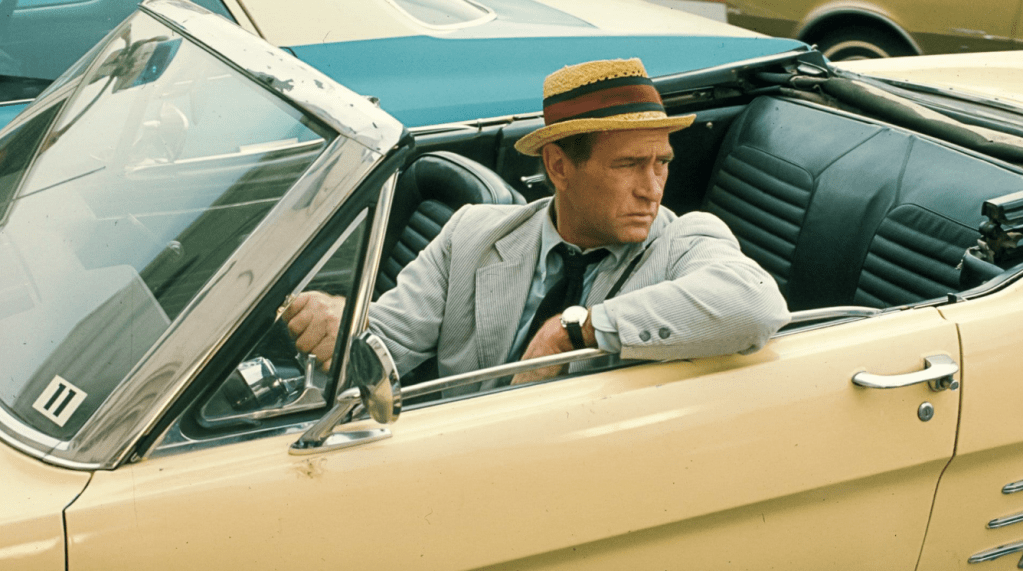
    Darren McGavin as Carl Kolchak

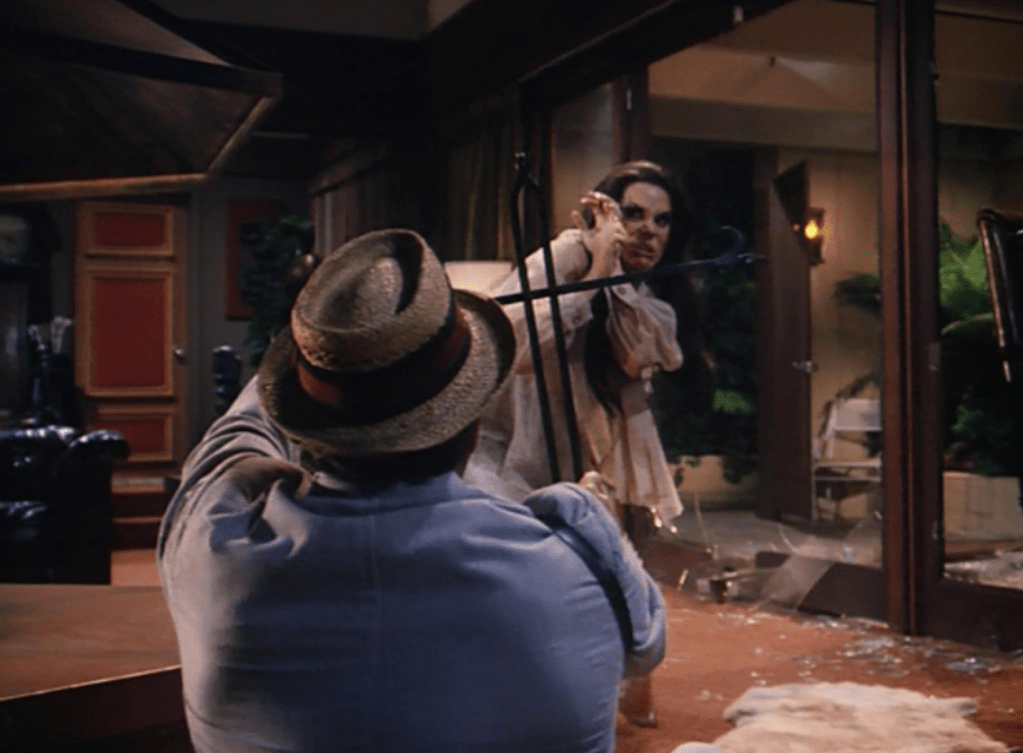
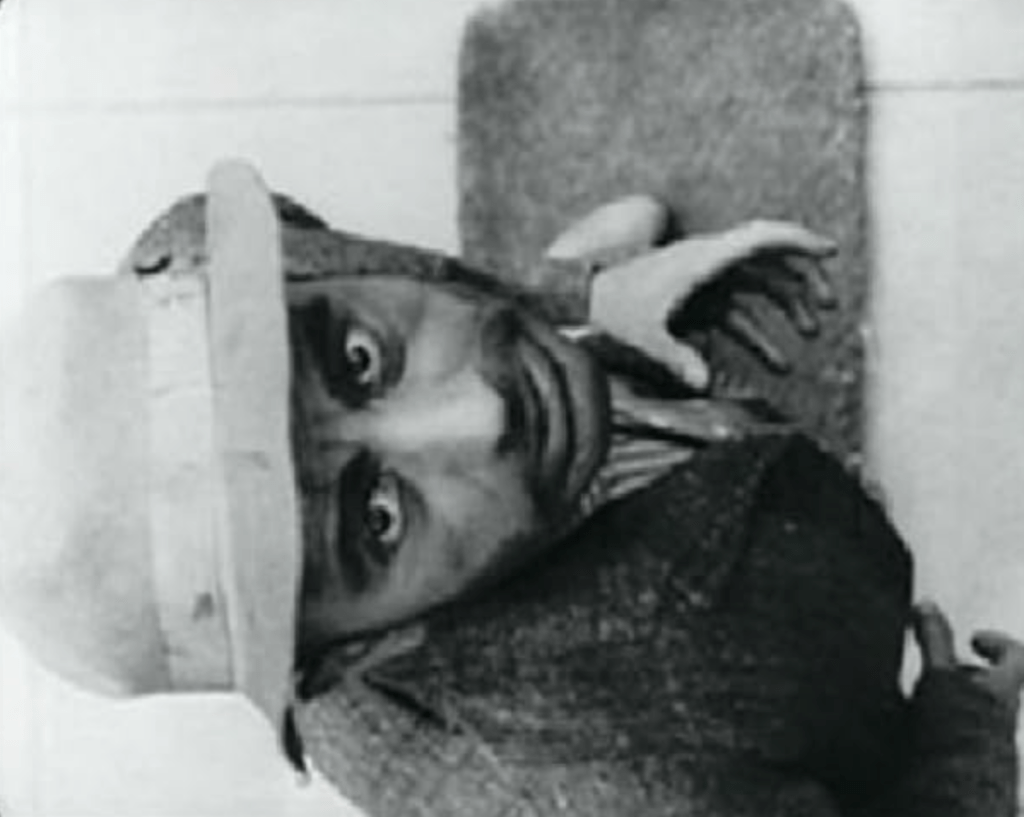
    It’s my esteemed and correct opinion that Carl Kolchak is one of popular culture’s greatest characters. As brought to life by Darren McGavin in a shabby seersucker suit and straw hat, he’s a lovably shambolic, rough-edged crusader for the truth. The reporter started out life as the main focus of Jeff Rice’s novel The Kolchak Papers. It tells of a foul-mouthed drunk who had a remarkable story to tell about a vampire loose in Las Vegas, who used Rice to get his story out. As he was working unsuccessfully to get the book published Rice was also inking deals with those who could put his story on the screen. This was the early 70s and television movies were a huge deal, bringing in massive audiences. So when ABC optioned the book you can imagine Rice’s excitement at the prospect of bringing Kolchak to homes all across America. Ultimately it would be the hugely talented Richard Matheson who would write the script, slightly softening Carl’s gruff edges but keeping the humour and commentary that pops off the pages of Rice’s book (I don’t think Stephen King was a fan, however).

    Dan Curtis was onboard as producer and it might be hard to get just how big now, but Curtis’ previous project Dark Shadows which had finished in 1971 was huge. It turned the reluctant Jonathan Frid into an unlikely middle-aged sex symbol and had a generation of monsters kids running home from school to follow plots of vampires, werewolves and all sorts of supernatural chicanery taking place.

    Title card for The Night Stalker (1972)

    John Llewellyn Moxey was brought in to direct and in early January 1972 Carl made his screen debut. It was a smash hit and brought in the biggest ever audience for a TV movie at the time.  There’s a reason it was a hit: it’s near perfect, a mix of serious scares and humour centred around McGavin’s effortlessly charming performance, ably supported by Simon Oakland as his suffering editor Tony Vincenzo. At first here Kolchak is a beat reporter, using his police scanner to show up as quickly as possible at crime scenes and generally making himself a nuisance to the powers that be.

    When young women start turning up murdered, Kolchak thinks he’s got a killer on the rampage, but soon he finds out this killer might not even be human. Carl’s the type of guy who goes where the leads take him and so when the pieces start to fit that it’s a vampire that is killing these women, Carl thinks something must be done. Those powers that be aren’t buying it and they set about making Kolchak’s life even harder work. But that’s not going to stop him getting to the truth and doing what it takes to stop the bloodsucker from getting away with it. The thing about Carl is that he believes the people have a right to know and he’ll protect that right no matter the cost to himself. It’s not that he’s particularly noble, it’s more a compulsion that truths hidden should be revealed. If you haven’t ever enjoyed this classic go and find it now.

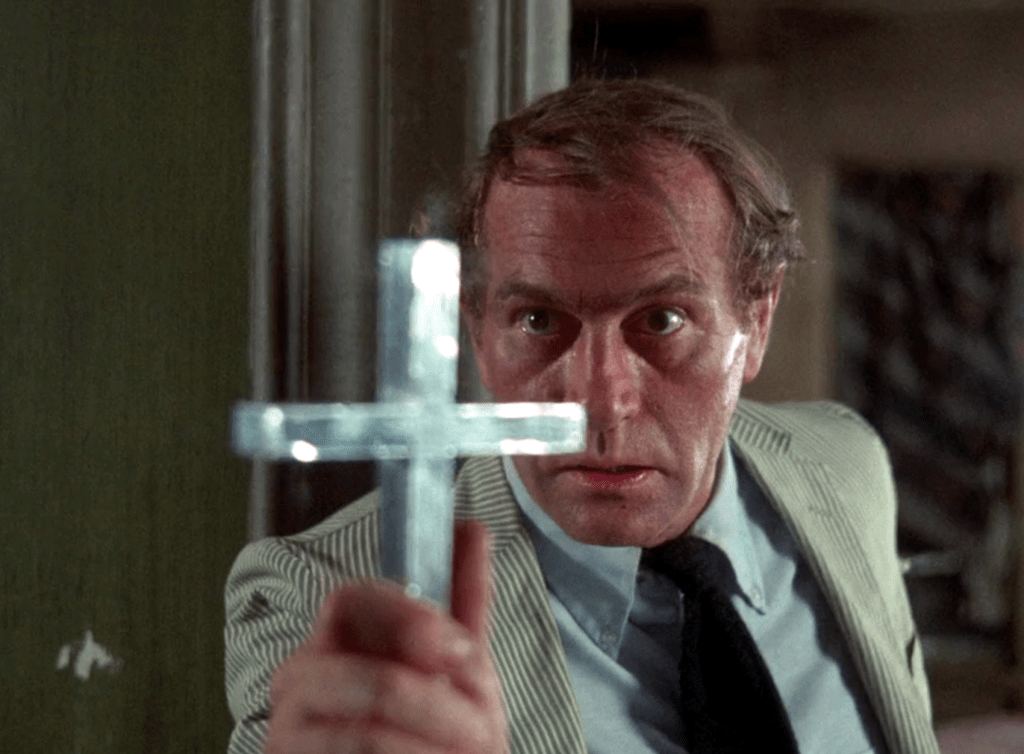
    Carl holding a cross up to repel something nasty

    When The Night Stalker was a huge hit, inevitably talk of a sequel followed. That talk turned to action in double time and in 1973 The Night Strangler followed this time directed by Curtis. In this one Kolchak has relocated (not through choice) to Seattle and comes into contact once again with a despondent Vincenzo. At the same time another killer is murdering people by strangling them (but of course) and using their blood to stay alive, something they have been doing for over a 100 years. Kolchak discovers the truth but again narrowly avoids getting killed for his troubles and is railroaded out of town for good.

    The same year Rice finally got his novel published as a tie-in to the first film. A reverse of the first film’s process next year found Rice adapting Matheson’s Strangler script for a tie-in book that would be published in 1974, the same year the series started. Before that Kolchak had nearly made it into a third film, in a script by Matheson and William F. Nolan called The Night Killers which would have had Carl in conflict with android replicas. McGavin was tiring of the formula and didn’t want to do it. Curtis wasn’t apparently impressed either and things cooled for a while, during which Curtis and Nolan went off to do spooky TV movie The Norliss Tapes, which could easily have been a Kolchak case. 

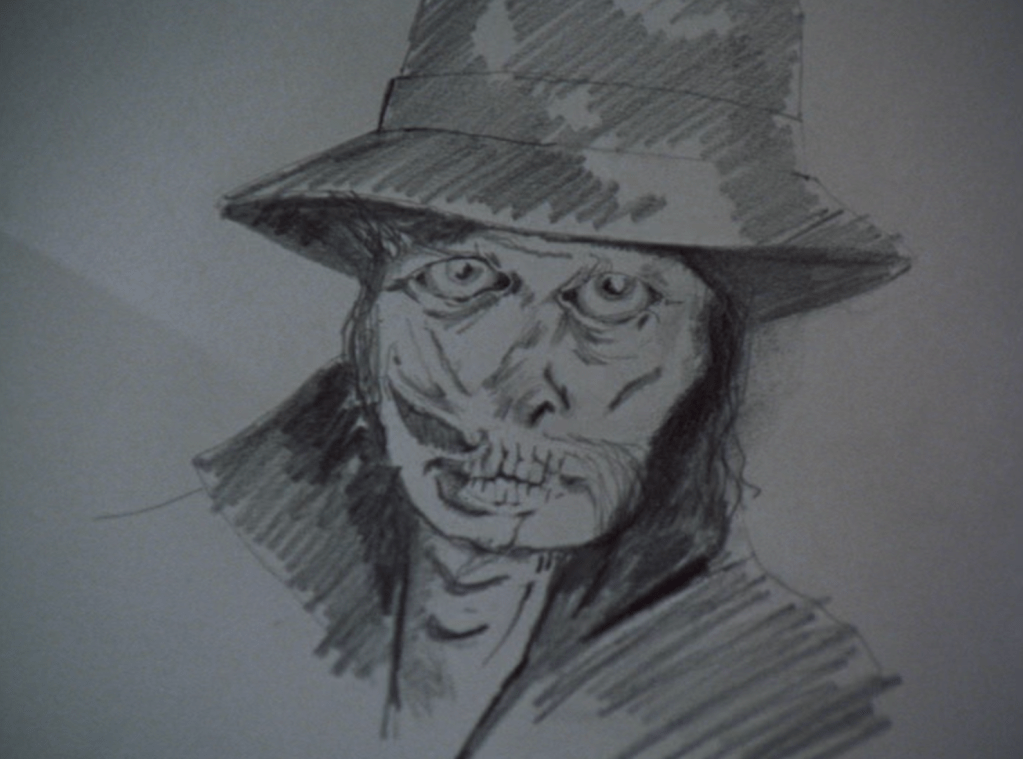
    A police sketch of the undead killer in The Night Strangler (1973)

    Eventually after negotiation, McGavin was tempted back for a weekly series which he could produce, although Curtis was finished with it and opted out. In September 1974, after multiple protracted negotiations and fallouts, and in a season ABC desperately needed success in, Kolchak: The Night Stalker hit small screens as a weekly show. The first episode was ‘The Ripper’, and it finds Carl now set up in Chicago, still working for Vincenzo. It’s almost a remake of sorts of the two films with its story of a madman killing people off who turns out to be THE Ripper, a maniac of unusual longevity.

    Like many an episode of Kolchak it has its good and bad elements. Plotting in the episodes is frequently perfunctory, low budget monster-of-the-week stuff that holds few surprises. But the series still had it’s star in McGavin and he’s reliably excellent no matter if he’s being chased around a cruise ship by a ‘werewolf’ who resembles more a guy who fell face first into some hair-restorer as opposed to a beastly lycanthrope, or sowing a zombie’s mouth shut and hoping it’s not going to wake up while he’s doing it. There’s many reasons to love McGavin but there’s a great little moment in ‘The Ripper’ where you just know he’s doing it the way you would too. Trapped in the Ripper’s room all Kolchak has to do is stay quiet and he’ll make it out unseen. But when the Ripper gets too close Kolchak lets out a yelp and makes a run for it, blowing his cover. By grounding Carl in recognisable flaws and humour, he became more real to us. Not an impervious hero but instead a dude who’s scared shitless but can’t turn away from the truth or doing what needs to be done.  
    Carl with microphone and puzzled expression

    When you go back to the series now one of its strengths is just how infrequently it chose to stick with the usual screen horror villains. Sure, there’s the Ripper and a werewolf and another zombie. There’s even another vampire but it links in with The Night Stalker in an interesting way and is one of the best episodes. But others included witches, prehistoric monsters, a haunted knight’s armour, robots, aliens and demonic spirits. This level of creativity always fought against the network drive to make every week’s entertainment broadly the same as the week before and is representative of what eventually brought the series down before it’s first season had finished, with a few scripts un-produced. Ratings were never massive and as the series went on McGavin got restless and the network could see it was not the hit they hoped for, with the various attempts at meddling causing friction between star and studio. In 1975 the episode order was cut by two and Kolchak limped to a sad end. But it was not the end really.  
    Reruns of the series would find more receptive viewers in the late 70s and this would continue through the 1980s until the series found a new home on the cable Sci-Fi Channel at roughly the same time a new series called The X-Files on Fox was moving from cult hit to mainstream sensation. Chris Carter has spoken before of his memories of Kolchak in part inspiring Fox Mulder and Dana Scully’s adventures and this helped continue to build an interest for newer viewers as to who this Carl Kolchak was. Home video releases of the first film and series started to surface too, along with the reruns allowing people to get to know McGavin’s intrepid reporter again. Mark Dawidziak, a critic for an American newspaper, wrote a guide book on Kolchak that arrived in 1991 called Night Stalking: A 20th Anniversary Kolchak Companion. This led in turn to a new deal between Rice and the same book’s publisher for new Kolchak novels. To kick it off Dawidziak was tasked with writing the third book (to follow on from the films and series) and Grave Secrets duly arrived in 1994. The deal for more faltered when the publisher was unable to actually get anything else in print and nothing more would arrive for some years. But thanks to Dark Shadows actor Kathryn Leigh-Scott’s publishing company Pomegranate Press an updated and now illustrated 25th anniversary edition of Dawidziak’s definitive book would arrive in 1997. 

    Cover for Jeff Rice’s The Night Stalker novel

    After this, the new century found Carl in surprisingly good health. Universal released a (sadly totally extras-free) box set of the entire series. The two TV movies came out on a dual disc release.  A book with Matheson’s three scripts (including The Night Killers) was released with introductions by Dawidziak. Moonstone Books began publishing comics based on the character in 2003 and these became almost an industry in their own right, covering Kolchak through comics (with adaptations of the first film and unfilled scripts), novels and short story compilations. More comic adventures have followed.

    In 2005, a short-lived revival series aired starring Stuart Townsend as Carl in an updated version taking in modern TV’s story-arc concerns. Low ratings and inevitable but unfair comparisons to The X-Files did for Night Stalker after only 6 episodes were aired, but it’s a remarkably good and interesting series in its own right. Frank Spotnitz was show runner and took influences from the original but filtered it through a style more influenced by Michael Mann that left us with an unfinished show that is significantly more interesting than its reputation suggests. It’s not all been good news. Back in 2012 Disney announced a film adaptation was in the early stages with Johnny Depp as Kolchak and Edgar Wright directing.  This (with or without Depp and Wright) turned out to be just an idea and so far Kolchak has yet to return to the screen. Perhaps this is for the best, given the debacle of Depp’s Dark Shadows film and…you know…everything else.

    Carl with a makeshift cross and an angry looking vampire

    But if his history has taught us anything it’s that Carl is a tenacious sonofabitch and it’s likely we’ll have him back on the screen someway, somehow. For now though, if you haven’t yet had the pleasure, go find The Night Stalker and get introduced.

    (Recent years also found the original films and series getting American Blu-ray releases, another resurrection for Carl)

    Further suggested reading:

    The Night Stalker and The Night Strangler by Jeff Rice (published variously as separate books and a one-volume compilation)

    The Night Stalker Companion by Mark Dawidziak (Pomegranate Press, 1997)

    The Kolchak Papers: Grave Secrets by Mark Dawidziak (Cinemaker Press, 1994)

    The Moonstone Books various comics, graphic novels, short story compilations and full-length novels.  

    Progeny of the Adder by Les Whitten (Doubleday, 1965).  This is a book at some points rumoured to have ‘inspired’ Rice as it tells the story of a modern vampire terrorising a city (in this case Washington DC) and the desperate attempts to stop the killings.  

  • Ghoulishly Good Times – The Shorts Edition

    We all love a long movie, right? Two hours, three hours, lost in the magic of cinema. Well…maybe not all the time. Fortunately, the art of the short film has been there since the earliest days of the medium. There’s a wealth of funny, moving, weird, creepy, thrilling and adventurous entertainment that won’t numb your arse or sap your will to live. And so, I welcome you to this spooky short (mostly) silent film specific edition of Ghoulishly Good Times.

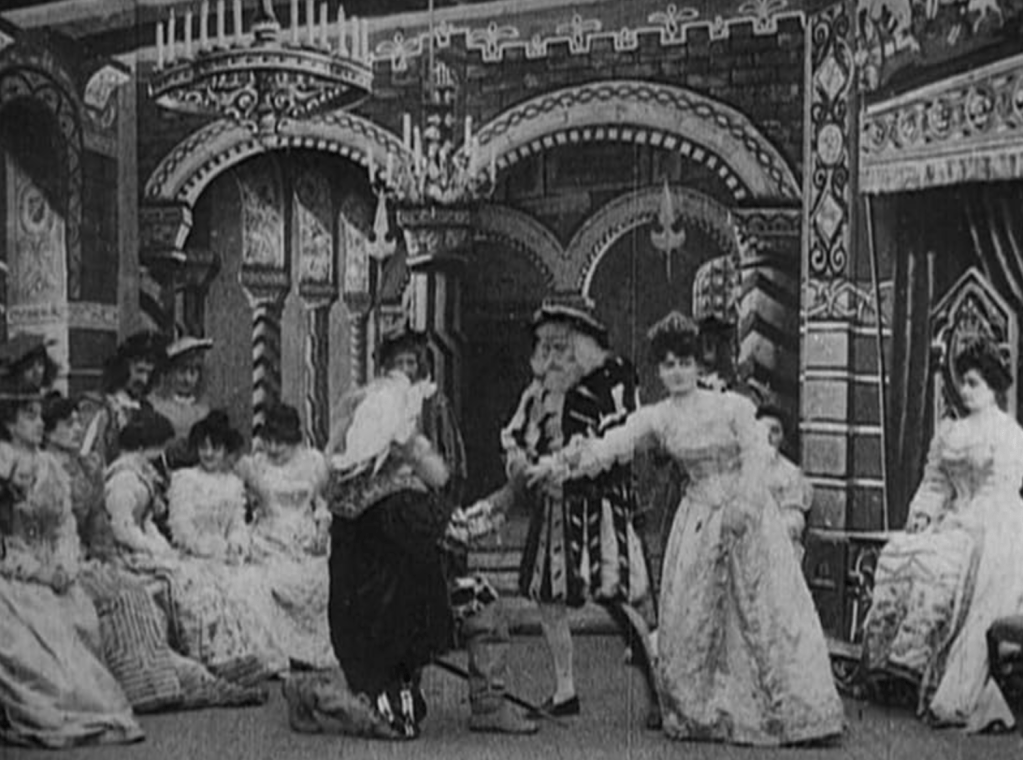
    Bluebeard attempting to woo his entirely – and correctly – unenthusiastic bride to be

    Barbe-bleue (aka Bluebeard, 1901, dir. George Méliès) retells the French legend of a dubious – but very rich – old dodger courting his eighth wife, the seven before her having died ‘in mysterious circumstances’. His new wife is not impressed with being dumped with the danger, nor is she too happy being left bored in his castle while he buggers off. He does leave her, however, with the key to the place and instructions not to get curious, after which she stumbles on the truth of what befell his other wives. What starts as a broad comedy of over gesticulating takes a hard swerve into serious darkness about halfway through. Surreal nightmares, ghosts, a demonic sprite and some deeply unsettling imagery drive it to the reveal of whether wife number eight is destined for the same fate. What we have here, for me, is some of the first flourishing of narrative horror with a bravura shift in tone from ‘oh this is fun’ to ‘holy shit that’s dark’ that became familiar to movie-going horror audiences across the following decades, done here early and in style.

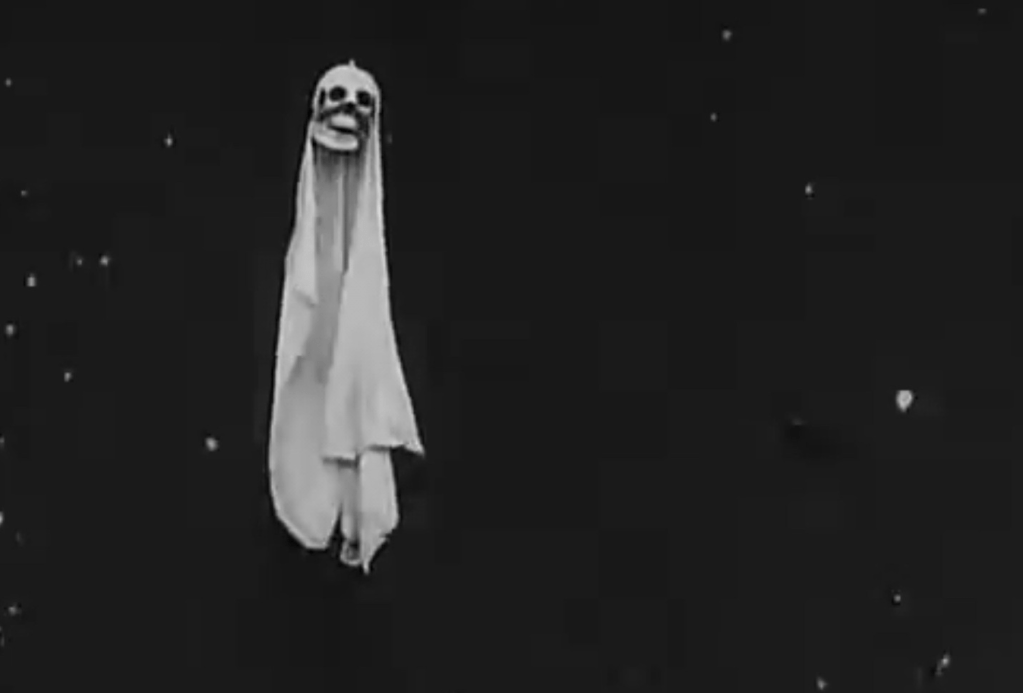
    A totally, absolutely convincing skull with a shroud hanging from it during a séance

    Alongside the development of photography and film and the tantalising prospect of recorded proof (or the lack of it), the end of the 19th century and the start of the 20th continued a pronounced split between people who wanted to believe in an afterlife and that people we had lost could be reached there, and those that saw it as a grift designed to exploit vulnerability and grief. This can be seen in the differing beliefs of Sir Arthur Conan Doyle and Harry Houdini (two men who were nevertheless friends) as fraud and debunking entered into a new phase, and the urgency to believe was shaped by the scale of previously unimaginable loss of life world conflicts inflicted. The UK short Is Spiritualism a Fraud? – The Medium Exposed (1906, dir. J.H. Martin) isn’t really asking a question, but instead presents a couple of con artists getting caught in the act of faking communication with the dead, after which those duped take their revenge in an escalating sequence of slapstick violence. It’s not subtle stuff, but it is a fascinating and entertaining example of the innovation happening in Britain at the time, giving us some startling horror-informed imagery along the way. Enjoyably vicious too, reflecting the way some people felt about the cruelty of offering a bogus way of contact with people lost to them.

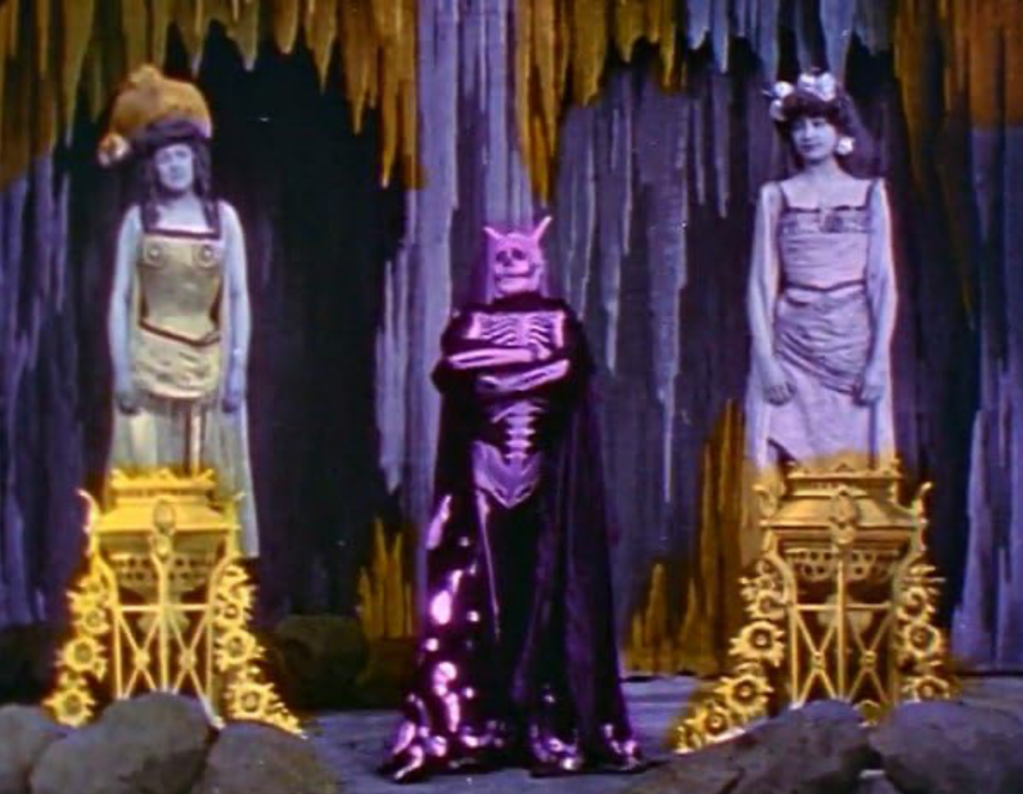
    The spectre of the title in his grotto, using magic to torment people and looking pretty pleased with himself.

    Le Spectre Rouge (aka The Red Spectre, 1907, dirs. Segundo de Chomón, Ferdinand Zecca) is a trick film, ostensibly comparable to the Méliès style. Though it’s easy to say everything followed his work, like D.W. Griffith inventing and perfecting every cinema technique you’ve ever heard of, it’s neither true nor fair. This one is its own thing, and has a demonic magician hanging out in his underground lair, dicking about with tricks that seem largely designed to torment women. His attempts are interrupted by a good sprite who intervenes, stopping or reversing the mischief he has wrought. That’s pretty much it, the premise being an excuse to have fun with tricks and special effects, something the film does well. It’s a frequently beautiful film that plays as an inventively crafted window into another world, full of splashes of vibrant imagination.

    Delightful French poster for Haunted Spooks

    Haunted house movie (and theatre) tropes were already well known by 1920 and ripe for comedic parody. Haunted Spooks (1920, dirs. Hal Roach, Alfred J. Goulding) does just that. But before we get to the titular spooky abode, the film starts with a remarkable sequence where Harold Lloyd’s would-be suitor fails to secure the affections of the woman he loves. This drives him to decide to <ahem> resolve the problem of life permanently through several failed attempts that escalate in a darkly amusing fashion. He’s distracted from any further tries when he runs into a lawyer working on behalf of a young woman who urgently needs a husband to claim her inheritance from her grandfather. Part of that inheritance is a beautiful house that the woman’s uncle covets, and so he does what any reasonable person would: fakes a haunting in the hope it will scare her off. When the couple arrive, we get another sequence of escalating events as the uncle’s ill-considered scheme unravels. There’s a lot to enjoy in this one, not least an intertitle A-game, which doesn’t only complement the action but enhances it (as the best examples did). Lloyd and co-star Mildred Davis make a winning central couple as things get truly hair-raising (makes sense when you see the film). It’s also fair to note that there are some disappointing, tiresome racial ‘gags’ in the second half, so be advised.

    Poster for The Haunted House, 1921

    Buster Keaton also got in on the haunted house parody gig in the following year’s…uh…The Haunted House (1921, dirs. Buster Keaton and Edward F. Cline). In this one, bank teller Keaton has a day start badly (gluing cash to his hands) and get worse (on the run from the police, hiding out at a ‘haunted’ mansion). It’s not actually haunted, however, but instead the hideout of a gang of thieves using fake ghosts and ghouls to keep people away from their lair. The entire film is a great example of Keaton’s often bizarre, off-kilter humour. When we get to the hideout, it gets increasingly wrapped up in a building run of visual gags and repeated refrains that land in a final sequence that pays off beautifully. There’s one gorgeous frame after another along the way in this gem. I could write more, but I just recommend seeking it out and enjoying it.

    Herbert Stern as Roderick Usher

    The Fall of the House of Usher (dirs. James Sibley Watson & Melville Webber) was one of two adaptations of Poe’s tale in 1928, both of which traded in surreal visuals (the other a feature-length French version). This one was an American production and gives us an avant-garde take on the story, existing for the purposes of experimenting with imagery, mood and technique. It’s a remarkably close approximation of the recognisable feel of a nightmare. The narrative is still straightforward enough to follow but it’s not the point of the film: that is to use images to make you feel unsettled and unbalanced and it does this very well. I wouldn’t say it’s an enjoyable experience, but it certainly qualifies as horrific and, alongside the range of techniques used here, it’s definitely worth seeking out.

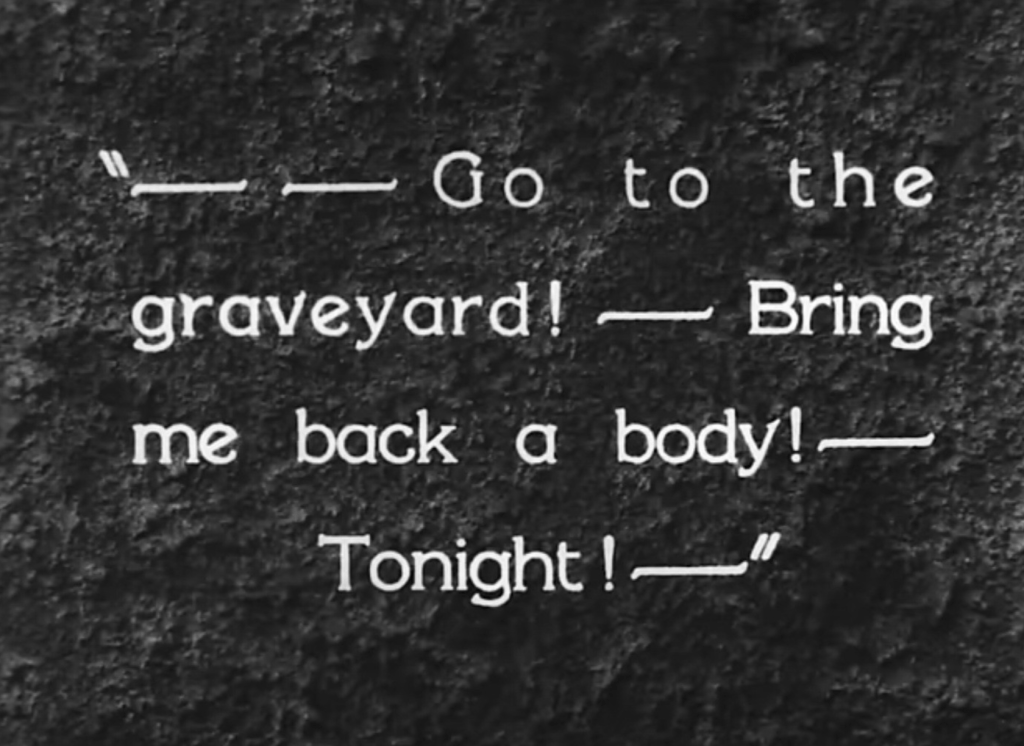
    Screenshot of an excellent intertitle from Habeas Corpus

    The first Laurel and Hardy film to be released with synchronised sound (here a musical score with sound effects), Habeas Corpus (1928, dirs. Leo McCaret and James Parrott) has the duo knocking on the door of an insane professor (in the hope of work or money, or in Stan’s case, a slice of buttered toast). He offers them $500 to bring him a body back from the cemetery, and despite their misgivings, they accept. They go down to the graveyard, but unbeknown to them, the police are also aware of the potential crime being committed, and head down there too, aiming to pretend to be a ghost and put the duo off. What follows is a film packed with arguably predictable gags and slapstick somehow, as so often the case with these two great performers, made fresh and appealing by the talent and chemistry of Ollie and Stan. There’s also a wilful drawing out of sequences like them trying to scale the wall into the cemetery that makes that something familiar become something fresh – like a different, more cuddly, less confrontationally weird version of the off-kilter Keaton approach. Again, a Laurel and Hardy hallmark. Great fun.

    Screenshot from The Haunted House (1929)

    At the end of the decade that started with Lloyd and Keaton encountering fake ghosts, Mickey Mouse ran into the real thing in The Haunted House (1929, dir. Walt Disney). During a storm, Mickey seeks refuge in an abandoned house, only to find himself forced to soundtrack (by playing the organ) a delirious dance-off between the skeletal inhabitants. When he tries to escape, things get weirder still. A horror-comedy building on the same year’s The Skeleton Dance* (1929, dir. Walt Disney), this comes from Disney’s emerging days, when it wasn’t tethered to its later image, and it’s pretty wild, nightmarish stuff. For me, much of this has the feel of a Fulci-esque circular nightmare of the seventies or eighties, where if you found out the mouse was dead and trapped in his own private hell, it would need no further explanation. A ‘happy’ conclusion is inevitable (it is a cartoon after all, you know – for the kids) but if it cut off a few seconds earlier, or ended with Mickey lost in the storm again, discovering the house, that could only make it (slightly) better.

    *That one, as the NYT reported in 1931, banned in Denmark for being ‘too macabre’

    A POV shot of the intruder from Suspense. looking up at the woman inside the house

    Though not a horror, a bonus mention for Suspense. (1913, dir. Lois Weber), an excellent home-invasion thriller which finds a woman and her young child in their remote house, abandoned by their maid, and menaced by a passing stranger who finds his way inside. With her husband alerted and racing back from work to try and get there in time, the stranger makes his way through the house, up to her room where she has barricaded herself and her child in. Like several of the above films, the elements are familiar but Weber makes stylish use of technique, frames the story imaginatively, and adds in little shorthand character notes that bring them to life despite the brief running time. An outstandingly good, and perfectly named, film.

  • The Art of the Silent Film Universe

    Whenever I sit down to a silent film or short, I know it’s going to feel like absolutely nothing else in the world of cinema, regardless of whether it’s a comedy, drama, horror, et al. Silent film is something completely unique. It’s long felt to me like a dreamworld of a kind, a doorway into another world of sensory sensation. There’s a fairly obvious difference between silent film and its sound-synced descendant, but it’s much more than just that. Finding a way to articulate this other than just using words like ‘dreamworld’ has been the hard part, because they don’t even begin to do the experience justice.

    Fortunately, for this piece I don’t have to rummage through my trusty bag of adjective clichés, because Ben Model has written what is already, in my opinion, one of the foundational texts for understanding cinema, and in this case, silent film. Model has been a silent film fan since his childhood. He turned this into a career as accompanist to thousands of showings of films and shorts across the world in the last four-plus decades, as well as introducing, lecturing on, and writing about silent film. Model is also a committed preserver of a huge range of silent film, too, with his label Undercrank Productions crowdfunding and producing invaluable releases of restored gems.

    In his new book, The Silent Film Universe, Model doesn’t want to give us a history of silent film or its performers and directors. After all, there are several classic books already out there on almost any aspect of the first few decades of film, should you want to explore. Instead, Model uses The Silent Film Universe to go into detail on just what it is that makes this form of the moving image so uniquely beguiling and enjoyable. It has been said that you cannot experience silent film in the way you might a talking picture, simply because it requires your full attention. Look away from the screen for a minute or two and you will have missed something vital. There will never be a silent film made for Netflix. It demands our investment.

    Model unpicks this relationship between viewer and film, what it asks of us as an audience, and the way it rewards us. The book covers how the lack of synced sound, the use of intertitles, the style of acting and performing, and the ways in which films are presented are essential elements that create something that stands completely on its own. These are not to be dismissed as just ‘old films’, they are vital and alive a century or more after they were made. Model’s biggest focus throughout is on cranking for shooting and frame speeds for performance and how this created an alchemy that is remarkable and not replicated anywhere else in the world of cinema. It is as deeply thought out and passionately argued a revelation on the process of creating – from production to the experience the audience has – as you will find in writing on film.

    Something that is clear from Model’s career and work is his love of silent film and also his belief that it is no thing of the past, but an art form that offers something to every successive generation that discovers it. It’s because of this that The Silent Film Universe is no dusty dissertation given a nice cover and put out for a narrow audience. Instead, the book is written in a knowledgeable but conversational way, as if Model is sitting across from you in a bar somewhere telling you how exciting and interesting silent film is in a way that sweeps you happily along. He’s also done the experimentation and research to support his theories on how silent film works and why it works. This is a book that expertly balances learning and love for its topic. He wants you to love and appreciate this wonderful universe as much as he does.

    If you have an interest in silent film or film in general and want to learn something revelatory about this beautiful, special art form, get this book. If you just enjoy reading something on a topic by someone who knows and loves what they are writing about, get this book. Ah, just get this book.

    You can buy The Silent Film Universe here: https://undercrankproductions.com/the-silent-film-universe/

  • More Ghoulishly Good Times

    You might think everything is terrible right now. You might believe that part of the suck is that there’s nothing new in culture (from films to television, books, music, theatre, art), that we are drowning in remakes and reboots and reimaginings. You mutter curses as you read of ‘a dark retelling of the Pinnochio story, coming to book stores this year’. Dick Wolf wakes up in a fluster one Sunday morning, an idea for a new ‘franchise’ burning feverishly like so much sloshing jock sweat in his brain. A remake of a film you swear is only three years old is announced. “Doesn’t anybody have an original idea?”, you muse. The answer is no, absolutely fucking not. Where, then, is all the good stuff? It’s still everywhere, thankfully. The people you love, the things that fire your imagination, the world out there. There’s lots to enjoy as we spin in space. Some of it is here, too, in the second instalment of Ghoulishly Good Times. Here’s what I have enjoyed across the last few weeks.

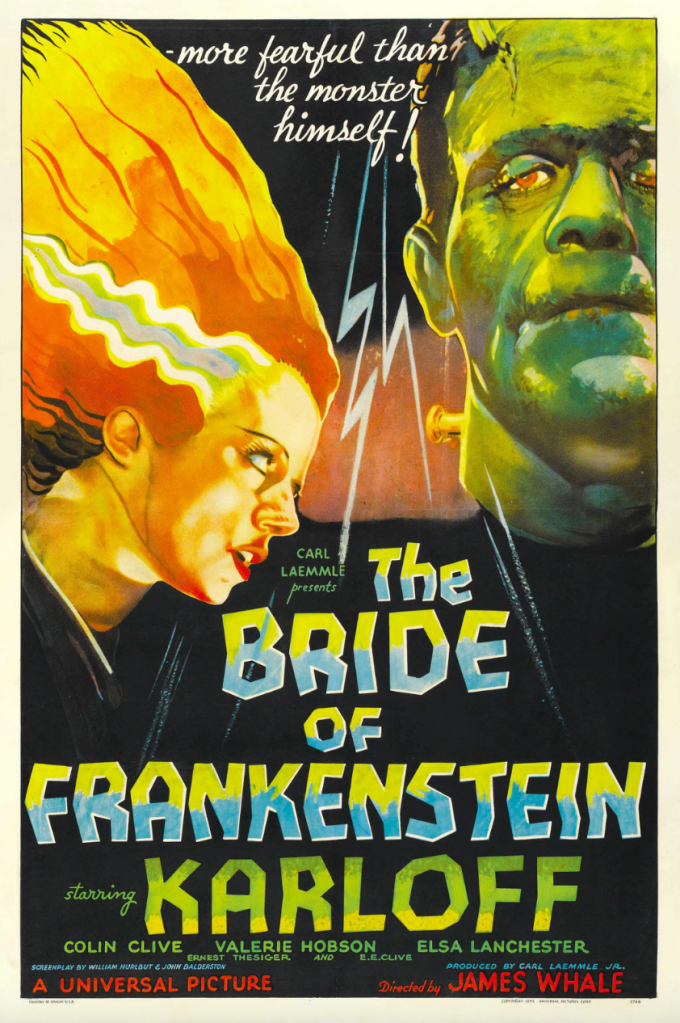
    Poster for The Bride of Frankenstein

    James Whale agreed to take on a sequel to Frankenstein (1931, dir. James Whale) on the condition he could make it a ‘hoot’. And hoot it is, with The Bride of Frankenstein (1935, dir. James Whale) eschewing the gothic gloom of the first film and pitching instead for a dark-hearted fairytale. It carries over the themes of men hungering to play God and brings back Colin Clive as Frankenstein and Boris Karloff as his unloved creation. But otherwise, the film’s messy genesis, going through several scripts and production woes, reshoots and censorship, works to its credit, leaving us with an occasionally coherent series of vignettes that expand the lore, give Karloff more to do, and allow Whale to create something defiantly eccentric. More absurd black comedy-fantasy than horror film, it nevertheless packs in plenty of imagery to compliment the iconic original, and entertains completely.

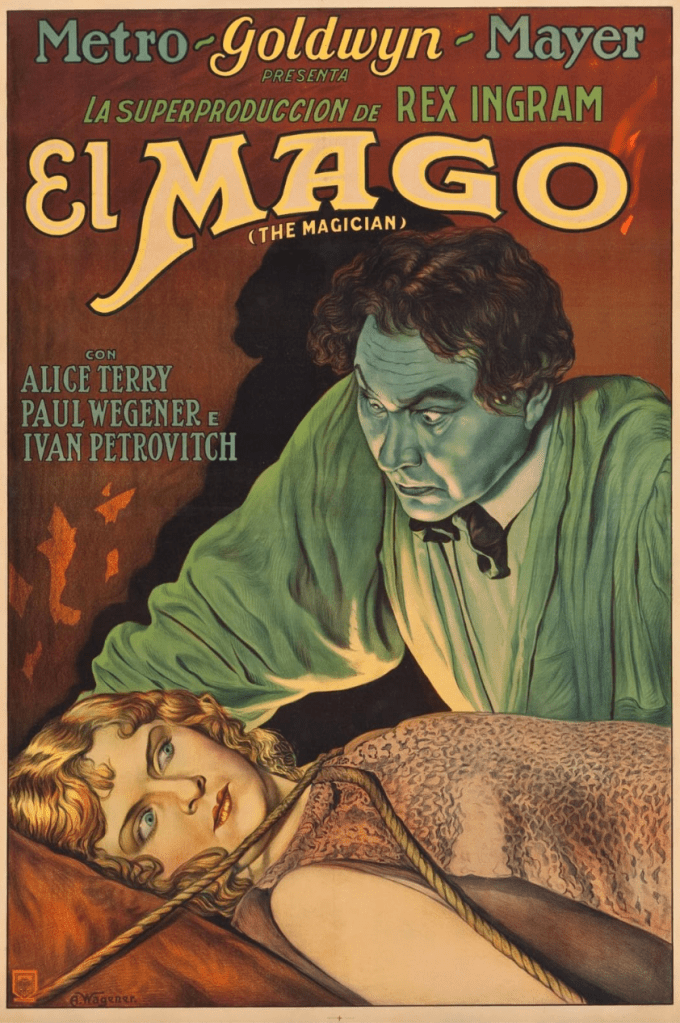
    Spanish release poster for The Magician

    Speaking of Universal’s Frankenstein(s), an acknowledged influence on them both can be found at the end of silent classicThe Magician (1926, dir. Rex Ingram). Gothic laboratories, assistants of a smaller stature, and men playing God. Based on a W. Somerset Maugham novel, the first hour at least finds sculptor Margaret the unwelcome subject of the obsessive Oliver Haddo, hypnotist, magician, student of medicine and all-around bastard (played by real-life bastard Paul Wegener). Haddo is convinced that Margaret is the key to an arcane ritual he has discovered which he believes will give him the power over life and death. Made in France, it’s a beautifully shot, creeping thriller (with some striking location filming) that diverts pleasingly in its final half hour into a gothic horror. Shooting overseas away from studio executive interference certainly helped the film, but at the time, reactions to it criticised it as ‘tasteless’. Take that as a recommendation in my opinion.

    Title card for Dark Night of the Scarecrow

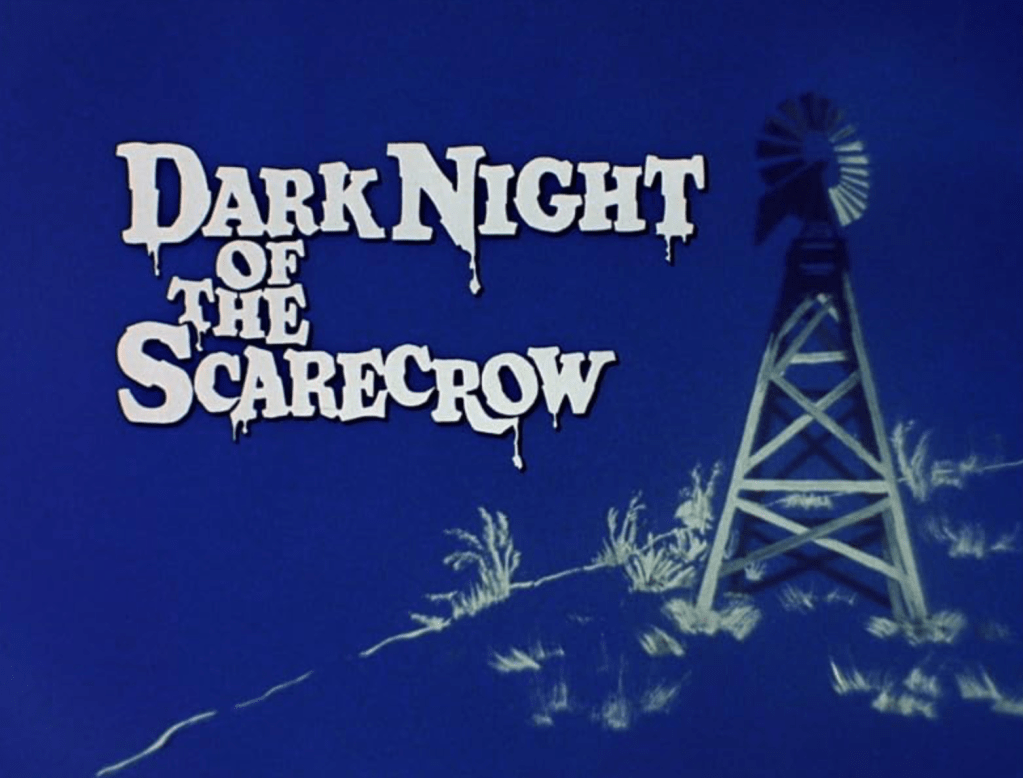
    Dark Night of the Scarecrow (1981, dir, Frank De Felitta) writer J.D. Feigelson had hoped his supernatural revenge script would have made it to cinemas, but its eventual home on television as a TVM probably gifted the film its legacy. I don’t know what the minor changes made for its new home on CBS were, but there are no edges smoothed. This is a seriously dark, unsettling tale and stands out. A vulnerable man has a friendship with a young girl that upsets local postman and all-round piece of shit Otis Hazelrigg (Charles Durning). He convinces three friends to take matters into their own murderous hands. It’s not long after this that something – some kind of vengeful force – starts causing fatal accidents for the quartet. As events spiral, Hazelrigg moves from disbelief to desperation to protect himself, no matter the cost. There’s lots to love about the film: performances are all great, the atmosphere of creeping dread is nailed from the outset, it’s absurd, blackly funny and shameless about it, and its purposefully slow pace allows director De Felitta and cinematographer Vincent Martinelli space to conjure up some gorgeously unsettling imagery. But the main ticket is Durning, here playing an unrepentant scumbag, a soul black with squalor and hypocrisy, and this film’s dark, festering core.

    The Bridge title card

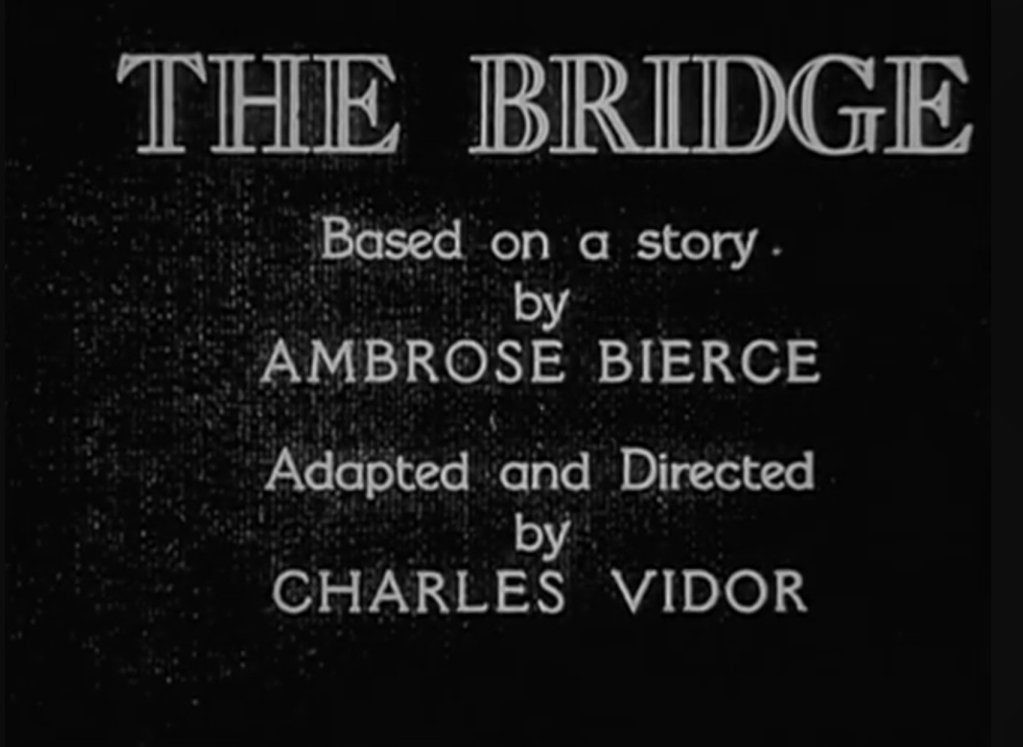
    In 1929, Charles Vidor wrote and directed a short film of ‘An Occurrence at Owl Creek Bridge’, making the first adaptation of the famous Ambrose Bierce story of 1890. It’s only 10ish minutes long but The Bridge (1929, dir. Charles Vidor) plays like a preview to The Twilight Zone (which had its own version of the tale) and similar shows and films. A man escapes his execution on a bridge but his journey to get back to his wife and child is beset by a creeping sense something is not right. Nicholas Bela is outstanding in his role as the man, and Vidor’s version could have been made last week: it experiments with technique and structure in ways that feel familiar to an audience nearly 100 years later. Really very good.

    Newspaper advert for The Ace of Hearts

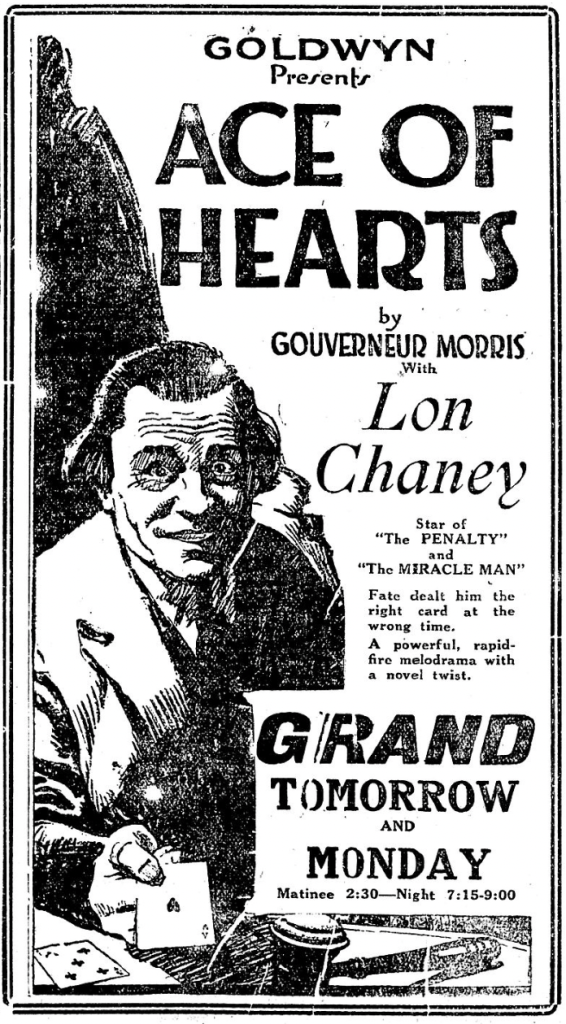
    Director Wallace Worsley and star Lon Chaney reunited after 1920’s wild The Penalty on the following year’s The Ace of Hearts (1921, dir. Wallace Worsley), a thriller about a group of anarchists who, having decreed that a rich piece of shit has lived too long, draw cards to decide which of them gets the honour of killing the wealthy prick. Chaney’s Farallone is besotted with comrade Lilith but when she marries their other comrade Forrest, the mission becomes more complicated. Although the mid-section gets a little bogged down and talky (no mean feat for a silent picture), the opening scenes and the tense and beautifully done final sequences more than make up for it. Lilith and Forrest are the nominal leads, but the show is Chaney’s. He gives it his all, and gifts Farallone a tortured humanity that convinces as the film builds to its ending. The conclusion is at once overdone and yet perfect for the movie (more so than the original, which was reshot – in this case wisely – at studio head Sam Goldwyn’s request). Alongside a great Lon, the film’s themes are still heavily resonant today, almost jarringly so. Highly recommended.

    Promotional trade advert for The Bat

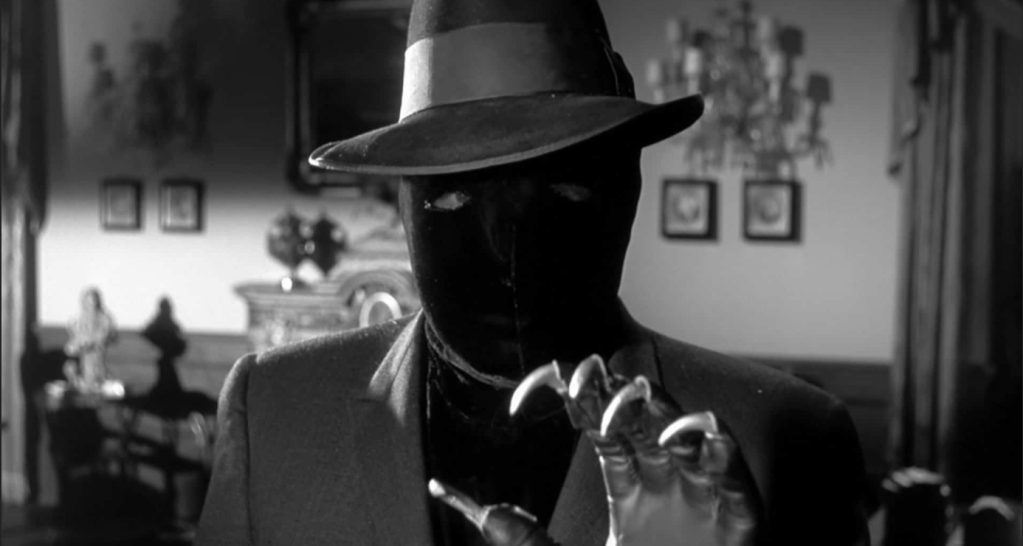
    The last week has been a tale of three Bats, starting with 1926’s first version of the successful Mary Roberts Rinehart and Avery Hopwood play, The Bat (1926, dir. Roland West). A close relation to the following year’s The Cat and the Canary (1927, dir. Paul Leni), Roland West’s first go at adapting the play is a mix of mystery, comedy and horror that works incredibly well, bringing together a dark house, a cast of potential victims/suspects, and a villain who makes a vividly lasting impression. As with Leni’s film, there’s a lot of German Expressionism influence, some outstanding set design and cinematography, and a finely done balance between mystery, comedy and some genuine chills.

    Screenshot from The Bat Whispers

    West’s second go came just a few years later in 1930, sound pictures now the standard, with The Bat Whispers (1930, dir. Roland West). West doesn’t appear interested in retreading ground from the first film, and this version focuses more on the mystery element and dialling up the comedy. The Expressionist style is mostly gone, but that doesn’t mean we lose the horror influence entirely. And again, West doesn’t just rehash the first film’s imagery. Instead we get something much closer to the inspiration for Bob Kane’s early Batman of a few years later. We also get a film shot in early widescreen and some ambitious camera work, making use of panning in particular to create some startling sequences. West didn’t get a third go at the title, his career derailed a few years later by a scandal involving the death of his mistress, Thelma Todd, in 1935, a death West was rumoured to be responsible for, though never charged with anything.

    Screenshot from The Bat (1959)

    The last bat is connected to the original in more than the obvious way and also brings us full circle. Crane Wilbur wrote and directed the 1959 version, The Bat (1959, dir. Crane Wilbur). Wilbur was a contemporary of Roland West and Lon Chaney, adapting The Bat and writing his own blackly comic dark house mysteryThe Monster (1925, dir, Roland West), starring Lon Chaney and serving as a comedic critique of the dark house and mad scientists sub genre tropes and acting as an inspiration for Universal’s Frankenstein films. Vincent Price is in the cast for this iteration, although the horror influence is dropped almost entirely, the focus here on the mystery. It plays like an unusually cynical Scooby Doo episode, and that’s a compliment. The fantastic Agnes Moorehead is part of the cast, too, and there’s some enjoyably unsubtle undercurrents that modern audiences will recognise easily enough running throughout that make it feel substantially different to the previous two versions, and very worthwhile in its own right.

  • Some Ghoulishly Good Times

    Recent horrific film and television highlights

    Times are tricky right now, but in amongst everything that might be going on, there’s plenty to enjoy. I get a genuine distraction from the carousel in my head from a good show or film, very often horror, science fiction or mystery. A meditation of sorts. Here’s what I have enjoyed across the past few weeks or so.

    (A warning: There’s no serious, deeply analytical reviews here, so abandon all hope if that’s what you are after. I’m not writing an essay. No spoilers either. You’ll get a brief summary or introduction and one or two things from each I enjoyed.)

    Frankenstein begins the creation of his ‘monster’ in Frankenstein (1910)

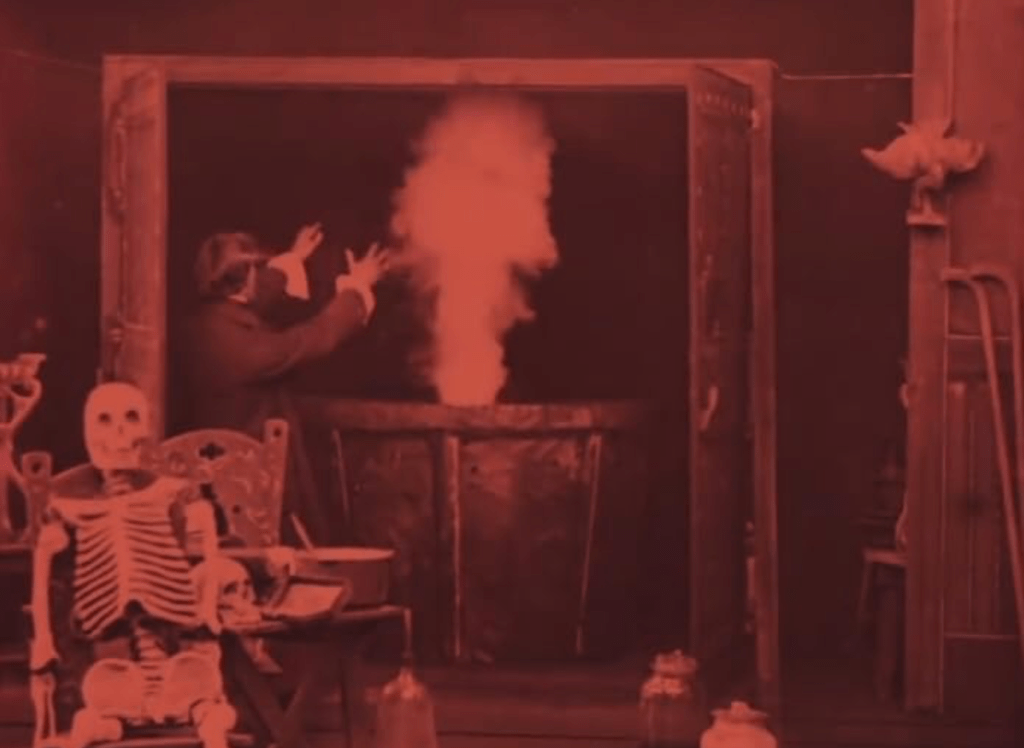
    In 1910, J. Searle Dawley wrote and directed a one-reeler adaptation of Mary Shelley’s Frankenstein. It runs to about 16 minutes, so is only a swift tour through the beats of the story, but manages to generate empathy for the monster, poisoned by Frankenstein’s arrogance and hubris. The birth of twisted life sequence itself is quite a startling example of early cinema’s ingenuity. This monster is formed of fire and potions in a bubbling cauldron in an effect that, while basic, conveys the pain of its forced creation. It’s remarkable, and an enduring example of early filmed horror’s ability to captivate and even appal modern us, with all our ‘sophistication’.

    Newspaper advert for Sweet, Sweet Rachel (1971)

    Sweet, Sweet Rachel (1971, dir. Sutton Roley) was writer Anthony Lawrence’s pilot-film-of-sorts for the following year’s The Sixth Sense (1972), his phenomenal, egregiously short-lived ESP-themed television series that starred Gary Collins. The film follows a similar approach, telling of Rachel, haunted by visions of death. Dr. Lucas Darrow, an ESP expert, tries to help her unravel what is happening to her as her grip on sanity wavers. Like the series, what works so well with Sweet, Sweet Rachel is its absolute lack of fucks given to anything but its own internal logic and its focus on a nightmare flow to events and imagery. The central mystery is nicely loose, and if you enjoy it, I shouldn’t need to do anything else to convince you to seek out The Sixth Sense series, one of television horror’s weirdest, most underrated gems.

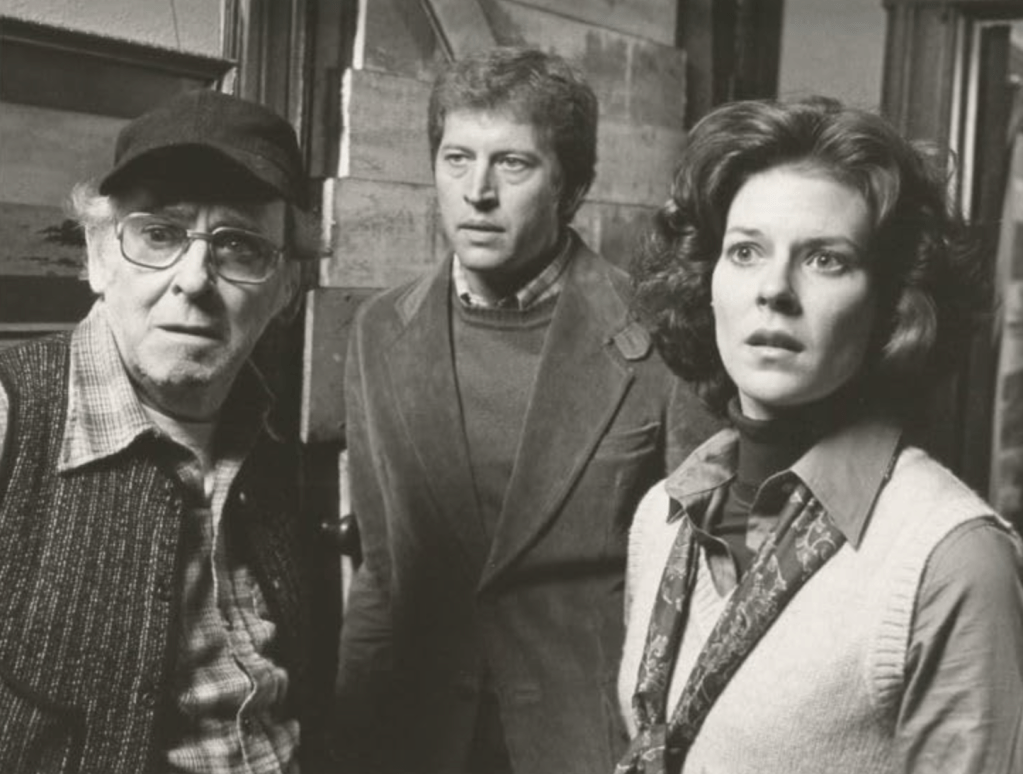
    L to R: Barnard Hughes, Granville van Dusen and JoBeth Williams in The World Beyond (1978)

    Art Wallace is probably most well known as the developer and principal writer of the earliest days of television classic Dark Shadows (1966-1971). A decade or so later, Wallace had two attempts at an occult detective series, with pilot films The World of Darkness (aka ‘Sentence of Death’) in 1977 and The World Beyond (aka ‘The Mud Monster’) in 1978. The magnificently named Granville Van Dusen plays sports journalist Paul Taylor. After dying for two minutes following an accident, Taylor is ‘gifted’ with the ability to see ghosts, who nag him about people in danger he must help but without, you know, any real details or anything that might assist him. In these films, that includes a woman trying to unravel the mysterious deaths afflicting her wealthy, messed-up family, and an island stalked by a golem. There’s nothing new in either, but they’re both so stylishly, sincerely done that doesn’t matter at all. The first film’s elegant, dark chills give way to the second film’s oppressive, relentless focus on visceral experience, but both pack in actual horror and are great fun for people who love ponderous, deliberately paced 1970s television horror (that’s me).

    Poster for The Cat and the Canary (1927)

    The Cat and the Canary (1927, dir. Paul Leni) was one of Universal’s big early horror successes (before the run we have come to associate starting with Dracula in 1931). Like many a film of its time, it was based on a stage play, a darkly humorous thriller by John Willard, but the masterstroke of bringing in the director of Waxworks (1924) means this is no dusty, static retread. Rather, Leni and cinematographer Gilbert Warrenton make a virtue out of its isolated, minimal locations, the lack of dialogue in a silent film (via intertitles), and employ various German Expressionist techniques to create several sequences of gorgeously fluid, alive and confrontational film. A lot of the tricks – sliding panels in walls, disappearing bodies, reappearing corpses – are all too familiar now, but in 1927 they weren’t; this was still fresh to movie theatres. It’s a comedy horror that achieves that rare balance between being genuinely amusing and yet ruthlessly serious in its chills. Really fucking good.

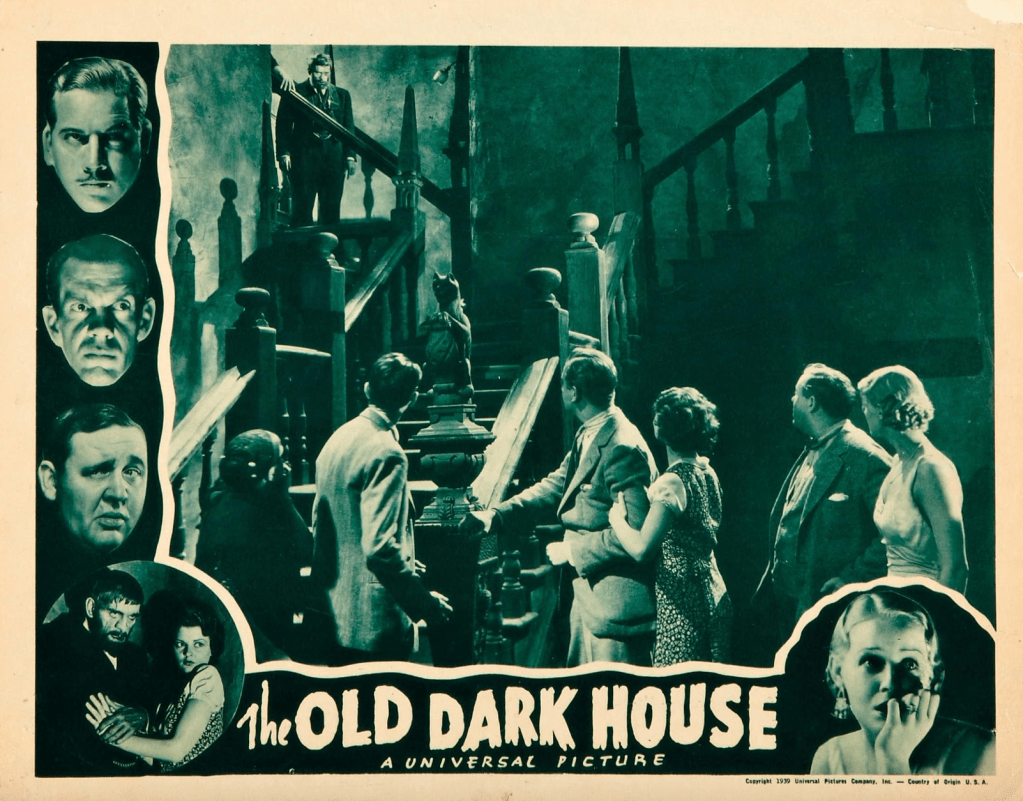
    Lobby card for The Old Dark House (1932)

    James Whale followed the cadaverous, scandalous Frankenstein (1931) (we’re not counting The Impatient Maiden, his intervening drama) with The Old Dark House (1932), a tale of several people stranded by a violent storm and forced to seek refuge in the titular home, its inhabitants very possibly more dangerous than the rain and thunder outside. If you haven’t seen this, you’re really in for a treat, and you should fucking watch it, now. It’s about as good as films get, and has Whale at the peak of his artistry, directing a pitch-perfect cast. A Pre-Code classic,The Old Dark House is as dangerous, raucous, and subversive now as it was nearly a century ago. It’s funny, moving, genuinely unsettling, gleefully out of step and defiantly queer in the more-than-one meaning that word carries.

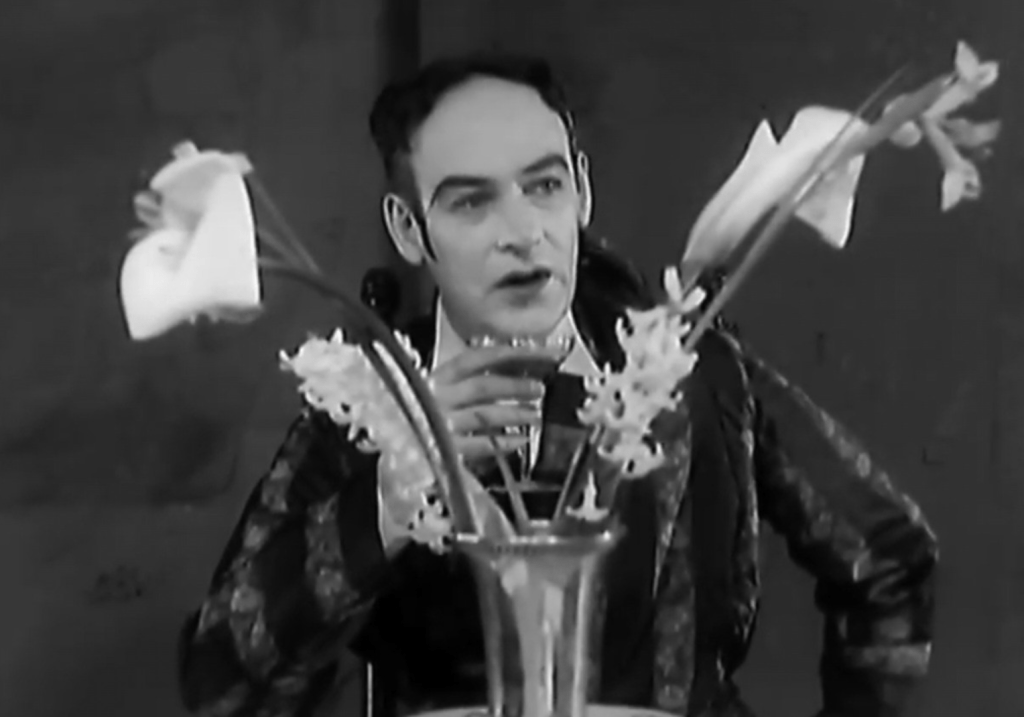
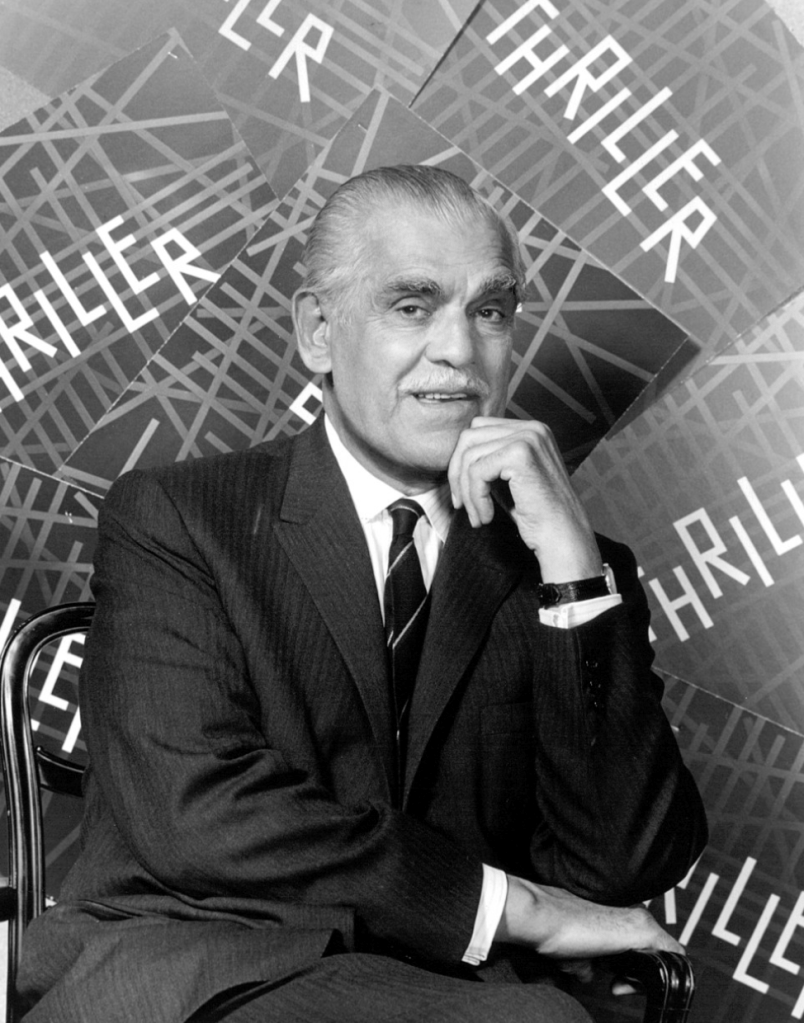
    Promo photo of Boris Karloff as host of Thriller (1960-1962)

    In Danse Macabre, Stephen King’s 1981 history of horror, he suggests Thriller (1960-1962) was the best spooky series of its kind ever shown on television up to the point he was writing and got theWeird Tales vibe right on. He’s wrong.Thriller was in fact wildly erratic, from its early days of slow-moving crime stories, and still in its later episodes King was referring to. Some episodes were good, some were great, some were boring as shit. When it does nail it, the results are sublime, though often not for everyone. If you have a taste for overripe, camp gothic, then season two, episode twelve (‘The Return of Andrew Bentley’) is one such example. Richard Matheson scripts and John Newland directs and stars in a very silly – but very good – story of death and body snatching. To be clear, I really can’t underscore how much almost every bit of this episode is, objectively, bollocks. The score, the shameless performances, the dialogue. The drawn out ending. It’s an arched eyebrow daring you to take it seriously. But somehow, mix it all in together and you have a knowingly silly cocktail of horror cliche that is a lot of dumb fun.

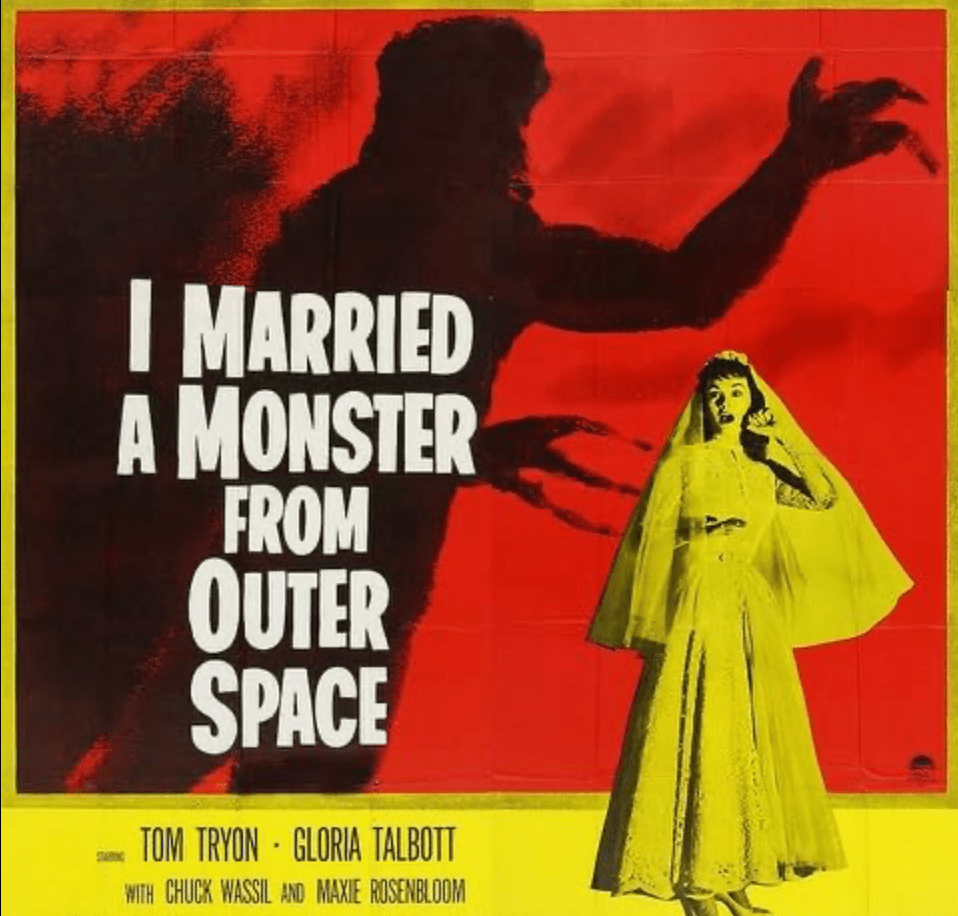
    Poster for I Married a Monster from Outer Space (1958)

    Behind its gloriously garish title, Gene Fowler Jr’s horror-tinged science fiction thriller is a serious movie that plays almost like a lost first attempt atThe Outer Limits (1963-1965), or Invasion of the Body Snatchers (1956, dir. Don Siegel) if that film was much more mean and obsessed with both the promise and threat of sex and the secrets we can and can’t keep. Marge marries the man of her dreams only to find he changes after they wed, almost like he is a different person. That’s because he is. There’s sci-fi thrills here and gloopy special effects, alongside a genuinely tense, pointed narrative only slightly undercut by one element of its ending. All the better then, that the other elements land so well. A sweaty, supple good time.

    Poster for House of Mystery (1961)

    Vernon Sewell writes and directs his fourth go at an adaptation of the playThe Medium. A young couple think they have stumbled onto an impossibly cheap bargain of a house. When the melancholy caretaker offers to tell them the history of its ghosts and murder, they realise why it’s on at a bargain price. Comprised of several smoothly done flashbacks, House of Mystery (1961) is a kind of proto-run at the ‘residual haunting’ theory that Nigel Kneale’s The Stone Tape (1972, dir. Peter Sadsy) popularised significantly more loudly a decade later. Sedately paced for a 56-minute long mystery, it nevertheless captures and keeps the attention and squeezes in enough specifically British eccentricity to be plenty of fun. A delightful, creepy curio.

  • Modern horror writing at its best

    I want to write a little bit about two recent book releases that share some thematic crossover and urge you to check them out. Both books are remarkable pieces of writing and deserve a wide audience. A fair warning: the books deal with gnarly subjects and this piece references them throughout, so if you’re put off by mentions of grief, illness, gore and the like… read no further. No spoilers, however.

    In Phengaris, we meet 17-year old Mark, a young man adrift. He is looking after his terminally ill mum, a parent with whom his relationship is conflicted to say the least, his dad disappeared years ago, and all Mark really wants to do is get high and tune out of the relentless noise of his life. He thinks he’s found the perfect spot in nearby Thurstrop Wood and an abandoned workshop yard. Unfortunately for Mark, something no longer human there has seen him and doesn’t want to let him go.

    Phengaris opens with a visceral description of a body mutilated by disease and something disturbingly unnatural. It sets the tone for what follows, as Mark becomes consumed by the mystery of Thurstrop Wood and how it connects to his family, revealing secrets that have been buried for years. There’s other things buried in the woods, too, and they are coming to the surface. Orridge writes with skill and empathy about the burden of youth, and of illness, and about the unforgiving way bodies attack themselves at the same time as the world around us weighs down on us. There’s a thread of ecological awareness, too, and a focus on the nature of parasitical behaviour.

    It’s also concerned with what it means to be human, and how family connections not even escapable by death bond us together for good and for ill. Orridge has a beautiful way with phrasing and illuminates the secondary and minor characters in a way that brings them vividly to life. Sadness and melancholy and loss knot their way through Phengaris, as does a quietly effective rage. It’s ambitious, passionately alive, and makes the personal deeply political.

    Fleischerei by Saoirse Ní Chiaragáin has some complimentary themes but is a radically different experience. In it, we are introduced to Órfhlaith, living in Berlin and working as a content moderator. Órfhlaith is a bloody ball of grief, guilt and self-loathing, punishing and exciting herself with masochistic fantasies. When she moves their focus onto her sickly, compellingly unreadable colleague Arnaud, the wall between her interior darkness and the world around her unravels. As their romance develops, they find in each other a shared yearning for emotional dislocation and physical mutilation. Órfhlaith just wants to know Arnaud, but is it ever really possible to know someone else, no matter how much a part of you they become?

    This is a troubling, affecting work. Intimacy throughout is a transgression that leads to violence and permanent scarring. It’s a confrontingly visceral book and will make you look at the concept of ‘meat’ substantially differently afterwards. It is also fearless about making bodies and consumption and grief defiantly, unapologetically political and challenging us to think about what that means.

    Fleischerei is putrid as it builds its grotesque concoction of smells, tastes, sensations and consumption. It’s about the interior as pungent reflection of what is outside of us, what is done to us. Again, this is a book concerned with what makes us human and what it is to be human, and offers no easy answers, preferring instead challenges to expected narrative conventions. An unrelentingly brave, compassionate work of art.

    Phengaris and Fleischerei are both outstanding, personal, feminine, bleakly beautiful works of modern horror writing at its best. I highly recommend you experience them.