Finding redemption with the festive spirit (and Rod Serling and Peter Cushing)
” The Night of the Meek” (The Twilight Zone Season 2, Episode 11)
Henry Corwin in Santa costume, looking the worse for self-inflicted wear
The Twilight Zone is inarguably one of television’s truly great series. For an anthology show it has a remarkable hit rate. Every such series had its duds but for this show, they are few and far between. Even the weakest episodes have something to them, a line of dialogue or a moment that sparkles. For this writer, Rod Serling is one of the most gifted writers the medium has ever had, and in addition to that was a compassionate person who used his work to connect audiences with their fellow humans, to illuminate the human condition, to encourage us to be better, to do better, to try again. The Twilight Zone often traded in stinging or stirring tales of fantasy, science fiction and sometimes horror. As with many shows, it also had its Christmas-themed episodes and it is one of them, “The Night of the Meek”, covered here.
Title card for The Night of the Meek
The macabre in Meek is people. The set up in the episode is following department store Santa and general sad sack Henry Corwin. Corwin doesn’t have much to look forward to other than his next drink. He lives in a ‘dirty rooming house’ and his world is one of hungry children and other ‘shabby’ people just like him. Corwin lives for his Santa routine but the shine has gone out of it. His suit is old and worn and when he shows up too late and drunk with it for his gig, it’s over – he’s fired and ordered out of the store. Despite all of his woes, Corwin muses if he had one wish, it would be for the meek to actually see some rewards. When Corwin can’t even get back into the bar he frequents, he stumbles down an alleyway where the sound of sleigh bells are heard.
Corwin in his Santa costume in the department store, being berated by his boss
In the alley, Corwin comes across a sack that he quickly discovers appears to have magical properties. It produces a seemingly never-ending stream of gifts. Whatever someone asks for, they get. His dream coming true, Corwin starts handing out gifts to the poor kids and down and out men nearby. The episode continues with this mix of melancholic reality and fantastical whimsy towards its hopeful conclusion.
Corwin discovering a sack full of presents in a snowy alley
In the episode, people are the worst. Everyone expects and looks for the worst in Corwin because that’s the type of guy they think he is. It’s the type of guy Corwin has come to think he is too, and it’s pretty obvious his idealism and hope is frayed and being drowned in a puddle of cheap booze. Corwin is us – we want to believe in the best of people, but people make it pretty damn hard. Now, Serling had around 25 minutes an episode to do set-up, delivery and conclusion of his stories and so subtlety was not always the prime concern. The characters, Corwin included, are mostly broad sketches, with people like the shop manager Dundee being not much more than functional cliché. They’re ciphers for the point Serling is making about what Christmas can represent.
Corwin watching a young child enjoying a train track set up
It can, if we let it, represent good will to each other, hope for the future and the unity such celebrations can bring. If we let go of the hardened cynicism and the weariness, if we let such notions in, even if it’s only for one night we can believe that we’re more good than bad, that’s there something worth saving in us, that we can believe in magic. For many, that’s a hard thing to do in a world, in a world that tells us there’s no magic left, only bleakness and decline. In the time The Twilight Zone was first airing it was only 15 years or so since the end of WW2. It was before Vietnam, race riots, Watergate and innumerable other events conspired to convince even the most indefatigable optimist that we’re on a downward spiral as a species.
That’s not to say things were better then as many things were emphatically not. But it’s for this reason that we should arguably let a little magic into our lives. Believing in Santa Claus might have ended a long time ago for most of us but believing in each other, or that there is some goodness out there, is something we all need these days. And if anyone can convince you to believe in your bones that humans are redeemable, it would be Serling.
Rod Serling in coat covered in totally real snow, speaking to camera
As Rod himself puts it in the closing narration “There’s a wondrous magic to Christmas”, so here’s to Henry Corwin and here’s to The Twilight Zone and a momentary respite, a sliver of the brightest light in the darkness of winter.
Cash on Demand
Cash on Demand title card
How does Cash on Demand (1961, dir. Quentin Lawrence) evoke a similar joy? Well, it’s not just the ideal Christmas movie but a reminder that, for those of us who might despair at humanity’s worst instincts more days than not, change is possible. Based on the play, it’s the tale of bank manager Harry Fordyce (Peter Cushing), a fussily fastidious man who rules over his branch not so much with a clenched fist but a puckered sphincter. The opening scenes set up the tight-knit team of staff in the bank as they await Fordyce’s arrival. When he does appear their anxious joviality is curtailed and it’s down to the business of money.
Fordyce looking for flaws in the polished plaque outside the bank
Not long after this, André Morell pulls up at the bank, his character Colonel Gore-Hepburn supposedly an insurance inspector but in fact a bank robber. Using threats and coercion, Gore-Hepburn forces the unravelling Fordyce to partake in robbing his own bank. Without giving anything away, the plot twists, new wrinkles are added and tension is ratcheted up. Throughout all this Cushing is wonderfully good, ensuring Fordyce is no cliche and imbuing him with humanity throughout. Morell matches him throughout as the smooth, assured, and ruthless bank robber.
Fordyce on the phone in his office as Gore-Hepburn looks on, his plan coming together
Cash on Demand is a twist on A Christmas Carol. Fordyce might not be the wicked man Scrooge was, but he has forgotten what makes a person. He’s not mean to his staff so much as dismissive of their personhood and feelings, only focussing on the bank and profit. We know early on he has a child and wife he feels affection for, but that’s as far as human warmth goes for him. As Gore-Hepburn’s scheme to steal thousands of pounds unwinds, and Fordyce is forced to become part of the heist, he must confront what he has become, what is really important to him, and reconnect with the world he lives in. It’s an uplifting, very human film about hope and change and our ability for both that is just as needed in these modern times.
Fordyce looking directly to camera, a concerned and unsettled look on his face
The Christmas trappings aren’t window dressing either. The time of year the story is set is intrinsic to the mood and atmosphere of the piece and to Fordyce’s journey. Of course, it’s a fine film that could be shown at any time of year. But what it says about us as people is a classic Christmas message. If you want a beautifully judged thriller, full of quotable dialogue, with one great scene after another, excellent performances, and something to say about what it means to be alive, this is it.
A Great British horror television series remembered
Phil Davis, Steve Pemberton and Rupert Penry-Jones as the central trio of Whitechapel
When we talk about the best British horror television, it seems there is rarely a mention of Whitechapel, which ran on ITV for four series between 2009 and 2013. Perhaps that is because Whitechapel was presented at first glance as An Other cop show, if ever so slightly more acquainted with the grimmer side of that genre. It was so much more than that in its finished form. And so, dear reader, it’s time to set things right and celebrate this glorious, pulpy, luridly compelling and emotionally involving show. Be warned, said celebration is slightly spoilery.
Created and almost exclusively written by the couple Ben Court and Caroline Ip, Whitechapel starts by taking us into the heart of darkness that is a copycat killer seeking to reenact the murders of Jack the Ripper, bringing a new reign of terror to the capital. Subsequent series explore the secret sons of the Kray twins following their fathers’ worst examples, and tales inspired by H.H. Holmes, the Marquis de Sade, London After Midnight, witch hunts, a killer who flays the faces from their victims and a deranged cult seeking to bring about the apocalypse. Then there’s the ongoing arc that bubbles away in the background about Whitechapel very possibly being a gate to hell. Add to that the mysterious Louise Iver, played to perfection by Angela Pleasence. Iver may be a sweet if somewhat rude old lady, but she also may be something even older and significantly more evil and dangerous. The clue might be in the name.
One of the things that makes Whitechapel so enjoyable is the cast and characters. As the first series begins, Rupert Penry-Jones plays DI Joseph Chandler. Joseph is the son of a well-respected and long-dead police officer. The largely untested Chandler has been put on the fast track to promotion by his father’s friend Commander Anderson and is given his first big assignment when a woman is found murdered in Whitechapel. He arrives to lead the team charged with investigating it, a team in practice being lead by the old school copper DS Ray Miles, played by Phil Davis. Soon, and much to Miles’ displeasure, Chandler has enlisted the involvement of noted Ripperologist Edward Buchan, played by Steve Pemberton. Buchan suggests to Chandler that the murders that are afflicting Whitechapel are the work of someone trying to recreate Jack’s crimes in precise detail. So begins this unlikely and at times often uncomfortable trio’s journey into a hidden and deadly part of London.
Joseph Chander in front of a crime board
Whitechapel is a darkly violent series and doesn’t shy away from presenting the killings and the impact they have on those investigating and the community itself. So far, so lurid. And yet, through its minor characters and particularly Buchan’s character arc it balances this out by paying attention to the victims. From a writing perspective, Court and Ip are skilled at including the briefest of character moments that allow peeks into their lives beyond what is presented onscreen. Whitechapel takes place in a version of London that has violence seeping through its cracks at every turn, in later episodes almost apocalyptically so. The characters provide a counterbalance to this that allows the show to walk a tightrope between pulp, horror-soaked crime and retaining its humanity.
Chandler ready to box, Miles ready to soak up the blood
Our three nominal leads do some of their best work in this series. Penry-Jones’ Chandler at first threatens to be the cliched ‘untested’ but arrogant cop-in-charge but Court and Ip subtly subvert that early on and expand on it throughout. Chandler is the very image of well-presented modern policing: meticulous, smart and indefatigably moral. But he’s also riven by self-doubt and neurosis. There’s some short hand here in the way that is done, particularly with Chandler’s fixation on physical order, but it is thought out, sympathetic and never played for cheap laughs or at the expense of actual depth. Penry-Jones is excellent throughout, ensuring Joseph is a fully rounded character. Davis matches him as Miles, and although the two must initially play out the combative new vs old school methodology cliche, again Court and Ip subvert this. The relationship that develops between Chandler and Miles is the core of the series but it is never allowed to get stale or comfortable. These two men find something in each other, but it’s not as brothers or a father/son surrogate but instead something deeper and more satisfying.
Buchan and Miles in a shadow filled room
Pemberton has the flashier role, as the show begins. Buchan is a Ripperologist who runs walking tours of the area where Jack did his ‘work’. He has a deep knowledge of the criminal history of Whitechapel and considers himself an investigator. But Buchan is out of his depth and as the first series progresses is forced to confront his own relationship with the crimes and how exploitation and the distance of time has allowed him to disconnect from the real-life weight of grief. His desire to be clever and invaluable to the investigation has personal consequences that follow him for the rest of the series. Pemberton does some excellent work exploring Buchan’s moral and professional collapse and subsequent rebuilding.
The rest of the cast, which shifts slightly before settling into a unit for the final two series, provide Chandler, Miles and Buchan with a solid, likeable team. Another admirable aspect of Whitechapel is Court and Ip avoiding the modern malaise of the workplace ‘family’, that cliche ignoring as it often does that families bicker, sometimes viscously so, and that peace is sometimes uneasy, just as it is here. It’s a mark of a good cast that every time a regular appears (like Claire Rushbrook’s Dr. Llewellyn) it’s not just to further the plot, we also want to learn a little bit more about their characters. The various guest performers that fill the series are excellent too, from Craig Parkinson’s Kray twins via Peter Serafinowicz’s unnervingly bad apple cop to Lydia Leonard’s doomed Morgan Lamb.
Miles and Chandler in – surprise, surprise – a shadow filled room
There are other crime dramas that have an affection for horror and pulp influences that are clear in their approach, notably Luther. But although such shows and films with flirt with these influences they are first and foremost thrillers. Whitechapel is a procedural, there’s no doubt of that. But it is equally pure horror and once it reaches the third series, goes full tilt into first slasher influences and then a run of witches, urban legend (killer pigs in the sewers anyone) and apocalyptic terror. The series loves its milieu and there’s a lot to enjoy in picking out these influences and the tributes and homages that fill the episodes and load it with atmosphere. There are some bravura, tension-packed set pieces throughout and the show is agreeably unafraid of the absurd and the overblown when it is needed, delighting in red herrings and left-turn plot twists.
Amidst all of this, Whitechapel never forgets its characters or its humanity. It is a series that sets out to thrill, disturb, entertain and deliver heart too, something it succeeds in . Take this as full-blooded recommendation thatWhitechapel is one of British television’s finest, most enjoyable horror series, ripe for (re)discovery.
Casting the Runes (1979) and updating M.R. James for the Scarred for Life generation (this article previously published on the now-defunct Horrified website)
Title card of the episode shows Casting the Runes written in red against a shot of fields and trees covered in snow, the sun’s rays raising from behind a hill
The 1970s was a time of wild contrast in Britain. Wealth inequality was at its lowest but the country was beset by industrial action. Music, film and television had entered a period of creative fecundity that would continue Britain’s position as an innovator and leader in culture. Alongside this, the country was afflicted by power cuts, inflation, the rise of the far-right and the beginning of the slow death of that one-generation-only dream of the middle class. Parallels can be drawn with our most recent decade or so, one where it has seemed the good times are over and terminal decline is inevitable.
It is perhaps then not surprising that the horror produced throughout the decade had a peculiar and beguiling bleakness. Stories across books, film and television took us to dark places and often left us there at their conclusion, no happy endings or release. One of the towering achievements of these years was the annual BBC A Ghost Story for Christmas, a mix of filmed adaptations of M.R. James, Dickens and original screenplays (one of which, Stigma, was contributed by the writer of this version of Casting the Runes, Clive Exton). These haunting tales of a genuinely disturbing and dangerous ‘other’ lurking just out of sight are rightly hailed as classics of the genre.
A man and a dog crouch on snowy ground, looking around them, the man appearing to be concerned – behind him, on the hill, a stone figure of a demon can be seen
All but one of these were directed by Lawrence Gordon Clark, a talented director with an unerring ability to present creeping dread onscreen. After he had finished with the BBC sequence, Clark wasn’t done with the supernatural. For the ITV Playhouse strand he took on the challenge of providing an updated version of M.R. James’ ‘Casting the Runes’. The story had been adapted some two decades before for the classic Night of the Demon (1957, dir. Jacques Tourneur), one of the great British horror films. A decade later it was adapted again for the anthology series Mystery and Imagination, an episode that is sadly lost to us.
As with Jacques Tourneur’s film, Casting the Runes updates the story to contemporary times. It gives us a female Dunning (played here by Jan Francis) and an American Karswell (Iain Cuthbertson) and adheres loosely to the main beats of James’ chilling short story. It’s a version that isn’t particularly well remembered these days, or seemingly thought of highly, in comparison with its more elegantly mounted BBC relatives, or the 1957 film. We have a tendency to compare needlessly, and a low-budget 50 minute television adaptation shot on a mix of film and video has little chance of equalling the impact of a crisply produced black and white big screen version directed by one of Hollywood’s most skilled psychological horror craftsmen.
Dunning and Derek Gayton in a room, looking a small slip of paper with runes on them
And yet, there is much to enjoy in this production, starting with a glorious opening sequence which took full advantage of the blizzard conditions it was shot in. There’s a clear folk horror influence to this beginning, evoking memories of films like The Blood on Satan’s Claw (1971, dir. Piers Haggard), finding as it does the menace inherent in indifferent nature. As we start, a man we later learn is called John Harrington is out walking his dog in the snowy countryside until the animal becomes unnerved by the presence of something out there with them, something that is slowly, inevitably hunting John. It benefits hugely from the snowy landscape and, in its un-retouched presentation on DVD, a scratchy film print as well as a menacing score.
In this iteration, Karswell is a cult figure, the self-styled Abbot of Lufford, and he has made somewhat of a name for himself as writer of a book called ‘A History of Witchcraft’ and as proponent of a philosophy that would have ‘Vice as the only true virtue, lust as the only true modesty, indecency the only true decorum and evil the only true good’. When Karswell is mocked by a television exposé on ‘mumbo jumbo’ produced by Dunning, he determines to take his revenge on her next. Our introduction to Karswell is the converted rectory where he lives, surrounded by grand gold ornaments. Karswell enacts his curse, manufacturing a meeting with Dunning. When Dunning is attacked in her bed by a creature created from Karswell’s magic, and she learns Harrington had written a scathing report of Karswell’s book and paid for his life with it, Dunning begins to understand her scepticism will not keep her safe.
Karswell, a smugly mean expression on his face, holds a small figure with red clothes and dark hair
The remainder of the play, whilst not overtly frightening or aiming to be, is equal parts unnerving and melancholy. Exton and Clark work together to create a world where the characters live in a definably real world that is being intruded by something ancient and unrelenting. There are some great performances, with Francis an anchor to everything as the unravelling Dunning. Cuthbertson has a grand time as the wicked Karswell, here a genuinely malevolent presence, a character who seems to revel in the power he wields. Being a production made in the 1970s and filtering through a decade of that beguiling, bleak approach the play also has a suitably harsh conclusion as it fades out, the wreckage caused by Karswell extending far beyond the final shot of a devastated Dunning.
A man in a long coat and hat at the crest of a footbridge covered in snow
Though not part of the BBC ghost stories, this adaptation of ‘Casting the Runes’ shows Clark learned well what worked for them and has much to recommend for those who appreciate the uniquely chilly, uncompromising horror the 1970s produced and acts as an effective chaser to much of what proceeded it.
(The version referenced throughout is from a now out-of-print Network DVD release, though the episode can be found in other places online)
It’s my esteemed and correct opinion that Carl Kolchak is one of popular culture’s greatest characters. As brought to life by Darren McGavin in a shabby seersucker suit and straw hat, he’s a lovably shambolic, rough-edged crusader for the truth. The reporter started out life as the main focus of Jeff Rice’s novel The Kolchak Papers. It tells of a foul-mouthed drunk who had a remarkable story to tell about a vampire loose in Las Vegas, who used Rice to get his story out. As he was working unsuccessfully to get the book published Rice was also inking deals with those who could put his story on the screen. This was the early 70s and television movies were a huge deal, bringing in massive audiences. So when ABC optioned the book you can imagine Rice’s excitement at the prospect of bringing Kolchak to homes all across America. Ultimately it would be the hugely talented Richard Matheson who would write the script, slightly softening Carl’s gruff edges but keeping the humour and commentary that pops off the pages of Rice’s book (I don’t think Stephen King was a fan, however).
Dan Curtis was onboard as producer and it might be hard to get just how big now, but Curtis’ previous project Dark Shadows which had finished in 1971 was huge. It turned the reluctant Jonathan Frid into an unlikely middle-aged sex symbol and had a generation of monsters kids running home from school to follow plots of vampires, werewolves and all sorts of supernatural chicanery taking place.
Title card for The Night Stalker (1972)
John Llewellyn Moxey was brought in to direct and in early January 1972 Carl made his screen debut. It was a smash hit and brought in the biggest ever audience for a TV movie at the time. There’s a reason it was a hit: it’s near perfect, a mix of serious scares and humour centred around McGavin’s effortlessly charming performance, ably supported by Simon Oakland as his suffering editor Tony Vincenzo. At first here Kolchak is a beat reporter, using his police scanner to show up as quickly as possible at crime scenes and generally making himself a nuisance to the powers that be.
When young women start turning up murdered, Kolchak thinks he’s got a killer on the rampage, but soon he finds out this killer might not even be human. Carl’s the type of guy who goes where the leads take him and so when the pieces start to fit that it’s a vampire that is killing these women, Carl thinks something must be done. Those powers that be aren’t buying it and they set about making Kolchak’s life even harder work. But that’s not going to stop him getting to the truth and doing what it takes to stop the bloodsucker from getting away with it. The thing about Carl is that he believes the people have a right to know and he’ll protect that right no matter the cost to himself. It’s not that he’s particularly noble, it’s more a compulsion that truths hidden should be revealed. If you haven’t ever enjoyed this classic go and find it now.
Carl holding a cross up to repel something nasty
When The Night Stalker was a huge hit, inevitably talk of a sequel followed. That talk turned to action in double time and in 1973 The Night Strangler followed this time directed by Curtis. In this one Kolchak has relocated (not through choice) to Seattle and comes into contact once again with a despondent Vincenzo. At the same time another killer is murdering people by strangling them (but of course) and using their blood to stay alive, something they have been doing for over a 100 years. Kolchak discovers the truth but again narrowly avoids getting killed for his troubles and is railroaded out of town for good.
The same year Rice finally got his novel published as a tie-in to the first film. A reverse of the first film’s process next year found Rice adapting Matheson’s Strangler script for a tie-in book that would be published in 1974, the same year the series started. Before that Kolchak had nearly made it into a third film, in a script by Matheson and William F. Nolan called The Night Killers which would have had Carl in conflict with android replicas. McGavin was tiring of the formula and didn’t want to do it. Curtis wasn’t apparently impressed either and things cooled for a while, during which Curtis and Nolan went off to do spooky TV movie The Norliss Tapes, which could easily have been a Kolchak case.
A police sketch of the undead killer in The Night Strangler (1973)
Eventually after negotiation, McGavin was tempted back for a weekly series which he could produce, although Curtis was finished with it and opted out. In September 1974, after multiple protracted negotiations and fallouts, and in a season ABC desperately needed success in, Kolchak: The Night Stalker hit small screens as a weekly show. The first episode was ‘The Ripper’, and it finds Carl now set up in Chicago, still working for Vincenzo. It’s almost a remake of sorts of the two films with its story of a madman killing people off who turns out to be THE Ripper, a maniac of unusual longevity.
Like many an episode of Kolchak it has its good and bad elements. Plotting in the episodes is frequently perfunctory, low budget monster-of-the-week stuff that holds few surprises. But the series still had it’s star in McGavin and he’s reliably excellent no matter if he’s being chased around a cruise ship by a ‘werewolf’ who resembles more a guy who fell face first into some hair-restorer as opposed to a beastly lycanthrope, or sowing a zombie’s mouth shut and hoping it’s not going to wake up while he’s doing it. There’s many reasons to love McGavin but there’s a great little moment in ‘The Ripper’ where you just know he’s doing it the way you would too. Trapped in the Ripper’s room all Kolchak has to do is stay quiet and he’ll make it out unseen. But when the Ripper gets too close Kolchak lets out a yelp and makes a run for it, blowing his cover. By grounding Carl in recognisable flaws and humour, he became more real to us. Not an impervious hero but instead a dude who’s scared shitless but can’t turn away from the truth or doing what needs to be done.
Carl with microphone and puzzled expression
When you go back to the series now one of its strengths is just how infrequently it chose to stick with the usual screen horror villains. Sure, there’s the Ripper and a werewolf and another zombie. There’s even another vampire but it links in with The Night Stalker in an interesting way and is one of the best episodes. But others included witches, prehistoric monsters, a haunted knight’s armour, robots, aliens and demonic spirits. This level of creativity always fought against the network drive to make every week’s entertainment broadly the same as the week before and is representative of what eventually brought the series down before it’s first season had finished, with a few scripts un-produced. Ratings were never massive and as the series went on McGavin got restless and the network could see it was not the hit they hoped for, with the various attempts at meddling causing friction between star and studio. In 1975 the episode order was cut by two and Kolchak limped to a sad end. But it was not the end really.
Reruns of the series would find more receptive viewers in the late 70s and this would continue through the 1980s until the series found a new home on the cable Sci-Fi Channel at roughly the same time a new series called The X-Files on Fox was moving from cult hit to mainstream sensation. Chris Carter has spoken before of his memories of Kolchak in part inspiring Fox Mulder and Dana Scully’s adventures and this helped continue to build an interest for newer viewers as to who this Carl Kolchak was. Home video releases of the first film and series started to surface too, along with the reruns allowing people to get to know McGavin’s intrepid reporter again. Mark Dawidziak, a critic for an American newspaper, wrote a guide book on Kolchak that arrived in 1991 called Night Stalking: A 20th Anniversary Kolchak Companion. This led in turn to a new deal between Rice and the same book’s publisher for new Kolchak novels. To kick it off Dawidziak was tasked with writing the third book (to follow on from the films and series) and Grave Secrets duly arrived in 1994. The deal for more faltered when the publisher was unable to actually get anything else in print and nothing more would arrive for some years. But thanks to Dark Shadows actor Kathryn Leigh-Scott’s publishing company Pomegranate Press an updated and now illustrated 25th anniversary edition of Dawidziak’s definitive book would arrive in 1997.
Cover for Jeff Rice’s The Night Stalker novel
After this, the new century found Carl in surprisingly good health. Universal released a (sadly totally extras-free) box set of the entire series. The two TV movies came out on a dual disc release. A book with Matheson’s three scripts (including The Night Killers) was released with introductions by Dawidziak. Moonstone Books began publishing comics based on the character in 2003 and these became almost an industry in their own right, covering Kolchak through comics (with adaptations of the first film and unfilled scripts), novels and short story compilations. More comic adventures have followed.
In 2005, a short-lived revival series aired starring Stuart Townsend as Carl in an updated version taking in modern TV’s story-arc concerns. Low ratings and inevitable but unfair comparisons to The X-Files did for Night Stalker after only 6 episodes were aired, but it’s a remarkably good and interesting series in its own right. Frank Spotnitz was show runner and took influences from the original but filtered it through a style more influenced by Michael Mann that left us with an unfinished show that is significantly more interesting than its reputation suggests. It’s not all been good news. Back in 2012 Disney announced a film adaptation was in the early stages with Johnny Depp as Kolchak and Edgar Wright directing. This (with or without Depp and Wright) turned out to be just an idea and so far Kolchak has yet to return to the screen. Perhaps this is for the best, given the debacle of Depp’s Dark Shadows film and…you know…everything else.
Carl with a makeshift cross and an angry looking vampire
But if his history has taught us anything it’s that Carl is a tenacious sonofabitch and it’s likely we’ll have him back on the screen someway, somehow. For now though, if you haven’t yet had the pleasure, go find The Night Stalker and get introduced.
(Recent years also found the original films and series getting American Blu-ray releases, another resurrection for Carl)
Further suggested reading:
The Night Stalker and The Night Strangler by Jeff Rice (published variously as separate books and a one-volume compilation)
The Night Stalker Companion by Mark Dawidziak (Pomegranate Press, 1997)
The Kolchak Papers: Grave Secrets by Mark Dawidziak (Cinemaker Press, 1994)
The Moonstone Books various comics, graphic novels, short story compilations and full-length novels.
Progeny of the Adder by Les Whitten (Doubleday, 1965). This is a book at some points rumoured to have ‘inspired’ Rice as it tells the story of a modern vampire terrorising a city (in this case Washington DC) and the desperate attempts to stop the killings.
The Brown Lady of Raynham Hall caught on film. Maybe.
(This is an update of an old piece written for the now-deceased site Horrified, which opened a column for contributors to share the moments that meant the most to them, the flesh and blood of their horror experience. What chilled blood and warmed hearts. A jolt of electricity or two and, like a shambling patchwork corpse, it’s resurrected for this blog.)
Horror. It bewitches us, fires our imagination, burns itself into our being. There’s a lot to the genre we love and what connects us with it the most. It’s in the stories, the emotions, the atmosphere, the aesthetics. And it’s in the moments we find and the impact they have, from jarring scare to creeping, lingering dread. Most often it is these moments that stay with us and inform how we feel about a film, or television show or book.
It’s in that zoom to Christopher Lee’s pitiful creature unravelling its bandages and moving from confusion to murderous rage in The Curse of Frankenstein (1957, dir. Terence Fisher). Or in Peter Vaughan’s desperate and doomed attempt to escape the the curse he has brought on himself in A Warning to the Curious (1972, dir. Lawrence Gordon Clark). Or those final, chilling moments of Ghostwatch (1992, dir. Lesley Manning) when we realise there will be no happy ending. It is moments like these that resonate with us and evoke the most visceral responses.
My experience will be familiar to anyone who grew up in the seventies, eighties and into the nineties. Back in these pre-internet days, a burgeoning horror fan still had much to choose from. From television showings of classic films in the wee hours to horror running through Baker-era Doctor Who’s DNA to huge hits like The X-Files, and a multitude of books, magazines and comics, these decades were awash with plenty to thrill the spookily-inclined. It was the halcyon days of monster magazines, fanzines, and short-lived but still fondly remembered comic titles like Scream! (1984). As the Scarred for Life team have demonstrated in their multi-volume hymn to what terrified people in the seventies and eighties, horror rippled through these years and continued to captivate more converts as the new millennium approached.
Despite this, back in those days, we could not look up the history of a film or series or book with a few clicks or taps of a screen. It was the days of mail order, local discovery in your comic shop or newsagent of choice, or shared between friends like niche contraband. And it was not cosy or kind. It was gory film images in copies of Fangoria or latterly The Dark Side. It was sleepy, half-glimpsed nightmares in late night showings. On occasion, these images, these photographs were of something real, too. Magazines would do stories on ghosts ‘caught on film’. Issues of The Unexplained: Mysteries of Mind, Space and Time (Orbis Publishing, 1980-1983) were filled with mind-altering, frequently terrifying stories which were so wild they could only be true. And, in one of his television series devoted to exploring phenomena, Arthur C. Clarke’s World of Strange Powers (Yorkshire Television, 1985), the author focussed on ‘Fairies, Phantoms and Fantastic Photographs’ (Ep 7, 22 May 1985).
The Reverend K. F. Lord’s photograph of the Spectre of Newby Church. Maybe.
There is one photo discovery from this era that lingers with me the most. The Spectre of Newby Church was bad enough, but the picture taken of Mrs Ellen Hammell by her daughter was the stuff of beguiling nightmare. In 1959, Mabel Chinnery had taken a photo of her husband sat in their car, but when developed there was a passenger of sorts. Behind her husband sat Ellen, Mabel’s recently departed mother. She had been dead a week. It’s grainy and Mrs Hammell’s straight posture is unnerving enough. But where the eyes should be is only white, like some sort of terrifying gateway into the beyond. When you are young, you don’t know anything about double exposures, trick photography or anything else that would explain it away. And this isn’t a film or show, it’s real. On film. Right there; a ghost. As an adult my rational mind knows there is an explanation for it, that there is (on the balance of available evidence) no ghost ever caught on film. And yet…
The recently deceased Ellen Hammell catching a lift with her son-in-law. Maybe.
It would probably be remarkable for Mabel Chinnery to learn that, for me and for others, this image and ones like it opened a door onto other worlds and possibilities in a way films, television and books could not. It frightened me to my very core, and yet I could not look away, because of the possibility of something horrific being actually tangible. Perhaps inescapable. Just like a love of horror.
A brief journey through what has been distracting me this month
Book highlights this month
Cover image of Born to Lose: Tales of Gigi by Marek Z. Turner
Marek Z. Turner had the inspired idea to take a minor character from a Dario Argento film, Cat O’ Nine Tails, and make him the central focus of a book detailing some of his career as a burglar and minor-league criminal in Turin during the 1970s. Born to Lose: Tales of Gigi is a look into the world of Gianluigi ‘Gigi’ Moretti, a not-untalented burglar frequently derailed by alcohol, and equal parts poor luck and bad judgement.
Turner finds comedic gold along with pathos as Gigi encounters everything from explosively broken toilets to double crosses and, in the book’s set piece story, a desperate attempt to outwit a deadly assassin. He has done his research and submerged himself in the culture of that decade in Italy, but also layers the stories with details of Turin and the realities of being a petty criminal nobody that add to a feeling of authenticity. The tone weaves with skill between being genuinely amusing, bittersweet with melancholy and escalating in tension, sometimes within the same story. I really enjoyed Born to Lose, and recommend not just it but Marek’s previous two books: another crime story (the brutal thriller The Eighth Hill) and a gory creature-feature horror (Killerpede) that opens with a bravura, grotesque death sequence that enjoyably sets the tone.
Television highlights this month
Close up from Public Affairs – DR-07, of a hand holding a badge that says ‘Make Love Not War’ on it
Dragnet 1969: After writing about Jack Webb earlier this month it sent me back to what is probably still the defining achievement of his career, the resurrection of Dragnet in the 1960s for television.
Launched in 1967, each of the four seasons are defined by the year they were broadcast. Dragnet 1969 is the show’s third season and the one where Webb detaches more significantly than in previous years from the template his original series (from the 1950s) had established. There’s only occasional room for the crime-of-the-week format from now on as Webb instead focuses on various functions of the police officer’s role in Los Angeles. I’ve not long reached a mid-season episode where Friday and Gannon are pulling duty at the Business Office (essentially the front desk) and it’s glorious.
Webb sets out his stall from episode one this season, ‘Public Affairs – DR-07’, in which Friday and Gannon are sent as LAPD representatives to sit on a panel for the show Speak Your Mind. They are up against ‘historian, social critic, and political activist’ Professor Tom Higgins and Jesse Chaplin, ‘editor-publisher of L.A.’s favorite underground newspaper’. Neither are fans of the police. Nor is anyone in the crowd. What follows is 25-ish minutes of fantastic television, as Friday and Gannon respond to charges the police are a state goon squad solely there to protect property, to oppress Black people, and that a “man of conscience (has) the obligation do disobey outmoded laws“, including the police.
Dragnet 1969 (and its other seasons) is a fascinating record of television and society changing to reflect the momentous events of the decade. It’s also simply very entertaining, directed in Webb’s clipped, easily parodied style, and as individual a series as you’re likely to find. Revisiting Dragnet 1969 also led me back to Suzy Dragnet’s wonderful blog ‘Everyone Nods: The Dragnet Style Files, a work of art in and of itself.
Poster image for The Remarkable 20th Century
The Remarkable 20th Century: I’ve also been taking a slow meander through a documentary series from 2000, The Remarkable 20th Century, presented by Howard K. Smith, one of the Murrow Boys and well positioned to host as someone who spent six decades of his life reporting on the events of the day. It’s a mix of talking heads and substantial footage from news reels and programmes, some of it potently shocking in its intensity. Each episode romps at speed through a decade and as such, it touches on events before moving on to the next big thing, but the fascination of what is unfolding prompts you to explore more after. Given the state of the world today – and its leaders – it’s clear we have learned little from history. Those leaders could certainly do with even this swift gallop through the best and the worst of last century.
Warren Oates with GIANT EYES in The Mutant, episode 25 of The Outer Limits’ first season
The Outer Limits: I am currently back to a run through The Outer Limits and up to ‘The Mutant’, the 25th episode of the first season. This has one of the most iconic ‘bears’* of the series, Warren Oates’ bug-eyed telepathic mutant Reese. It benefits immensely from Oates’ off-kilter rhythms and strange charm as he makes Reese feel genuinely ‘other’. Reese would likely be strange even if he didn’t have giant eyes and the ability to think people out of existence. It’s a good episode of a great show that twisted noir and fantasy, science fiction and horror into something uniquely queasy.
*’Bear’ was the name given to the monster of the week, displayed prominently and quickly (usually in a pre-credits tease)
Lola Albright and Craig Stevens in Peter Gunn
Peter Gunn: I’m also back to Peter Gunn, a private investigator series created by Blake Edwards in the late 1950s. It has a jazzy score and instantly recognisable theme by Henry Mancini, and each week finds Gunn taking on a case that frequently gets him beaten up and/or nearly killed. Gunn is a good guy and that gets him into trouble as he comes up against gangsters, duplicitous dames and other unsavoury types. It’s a little slice of noir each episode, gorgeously shot and usually dependably entertaining. A lot of fun, and very much recommended.
Music highlights this month
Cover of Lonely People with Power by Deafheaven
I quite like a lot of music, but it’s rare there will be a music highlight, given I only love two bands, listen to one band more than anyone else by far, and am generally otherwise indifferent to a lot of what gets released.
But… this month, that one band I listen to the most by far released their first album in nearly four years, and it’s a beautiful record that distills everything that makes them special. Lonely People with Power by Deafheaven is a joyous listen from beginning to end. That might sound unlikely for a band that have mostly returned to their dense, overwhelming signature sound after a segue into lighter territory. It might also seem unlikely for a record that runs to just over an hour and keeps up a sustained mood of furious apocalyptic melancholy. But, we are where we are.
Unlike lots of heavy music that trades in tedious machismo or bludgeoning anger, Deafheaven, and Lonely People with Power, takes darker emotions and fashions them into something else entirely. Blastbeats and giant riffs mix in with influences that vary from nineties British rock to ambient soundtracks. It’s the soundtrack to the end of the world, sure, but it’s a beautiful end. This might be their best apocalypse yet.
Contemplating the panic of the inevitable in ‘The Cemetery’ and the choices we make
Rod Serling posing in a graveyard setting for a promotional photo
For several reasons, I’ve been thinking more in recent years about who I understand myself to be and what legacy I want to leave in my wake. Legacy might sound overly grand, but that’s really what it is to be thought of and remembered and talked about, whether it’s by millions or by whatever nucleus of immediate people you hold to be family. A worldwide pandemic will get you to thinking about the impact we all leave on each other, and that’s not even the sum total of an at times challenging, rewarding and enlightening few years that have followed to process. Largely for me it’s about the impact of leaving the people and places you find along the way better than you found them, or at least not worse for your presence. But life makes that hard. Communicating with each other with kindness and empathy and consistency is a journey that doesn’t end. Trying to be good to the planet that hosts us while just a handful of companies continue to be the biggest polluters in the world provokes wild cognitive dissonance. Capitalism swirling the drain and dragging us with it, bloody-knuckled and exhausted, into the slop. Social media a distracting feedback loop where we play out status games and performative emoting while the literal and figurative world around us burns. The worst people clinging ruthlessly to positions of power and scapegoating the most vulnerable as cause of the world’s ills. It is easy to lose focus.
What has this got to do with Roddy McDowall and the Night Gallery pilot film (NBC, 1969) you may ask? Well, firstly Rod Serling and his writing has been one of the primary influences in my life on my own personal philosophy about how I treat people and how my own personal code developed, and I come back to his work regularly for course correction as much as entertainment. And in ‘The Cemetery’ and McDowall’s phenomenal performance we have humanity in crisis in microcosm, in all its sadness and rage and selfishness and dread and pathetic hope. Just as much as any episode of The Twilight Zone (CBS, 1959-1964), this play provokes in me considerations of consequence and personal choice. A warning in a world gone wrong, embodied here by McDowall’s performance and Serling’s writing.
Ten years after the launch of The Twilight Zone, Rod Serling was ready to revisit anthology television. In the intervening years since his beloved fantasy show had ended, Serling had kept busy with a variety of different projects, even though he was no longer the celebrated angry young man of the golden age of television. These projects ranged from a modern television movie adaptation of Charles Dickens’ A Christmas Carol (1843) reformed as a nightmare of nuclear Armageddon and a plea for cooperation between nations before mutually assured destruction, to The Loner (CBS, 1965-1966), a contemplative Western set in a this-time only figuratively haunted post-civil war America, and co-writing The Planet of the Apes (USA, Franklin J. Schaffner, 1968) amongst other films. For his new television project, this time however, Serling would move beyond fantasy and science fiction and go deep into the dark waters of horror.
The painting of the cemetery used in the segment
Night Gallery premiered as a television movie on November 8th, 1969. It took the form of three separate stories, linked by Serling’s narration. He presented these tales from the titular dimly lit gallery, offering us a trio of stories that all suggest not an indifferent universe, but instead one where the immoral might be able to run from their wickedness, but not, eventually, from consequences. And it’s the first of these plays we are considering today, ‘The Cemetery’, as well as the delicate and bruising performance at its centre from Roddy McDowall. Directed by Boris Sagal, it is thirty minutes of television that distills everything that makes Serling such a great writer: emotionally literate, atmospheric, wittily loquacious and unyieldingly moral. Interestingly, the British-born and raised McDowall plays his role with a lyrical Southern-tinged accent that will just as frequently tip into British pronunciation. Similarly, Serling’s tale could just as easily be set in a country house at the edge of a small English village and nothing would need to be changed to accommodate this meeting of a tradition of Southern USA and British gothic, where the older ghosts of the past, both real and imagined, leave their graves to haunt us. It could be set here, there, or anywhere.
Introducing the segment, Serling begins: “Good evening, and welcome to a private showing of three paintings, displayed here for the first time. Each is a collector’s item in its own way—not because of any special artistic quality, but because each captures on a canvas, suspends in time and space, a frozen moment of a nightmare. Our initial offering: a small gothic item in blacks and grays, a piece of the past known as the family crypt. This one we call, simply, “The Cemetery.” Offered to you now, six feet of earth and all that it contains. Ladies and gentlemen, this is the Night Gallery…”
William Hendricks is old and in poor health. A series of strokes have left him largely incapacitated and housebound in the family mansion. He is attended to only by his loyal butler Osmond Portifoy, with the family burial plot the view from his window and the last thing he painted. Hendricks is wealthy and had only a sister to leave his money to, or so he thought. But with his sister dead, the inheritance will now pass to her son, Jeremy, a thoroughly disreputable man. Jeremy has moved into the home and is impatiently waiting for his uncle to die, so much so that he takes matters into his own hands to make sure William relocates to his place in the cemetery sooner rather than later. After this, Portifoy learns that a miserable stipend of $80 a month is his reward for decades of faithful service. And so, it seems, Jeremy finally has the means to support the lifestyle he is accustomed to. But then Jeremy notices that painting of the house and graves hanging at the bottom of the staircase keeps changing and suggesting his uncle is not at all at rest.
What follows is a beautifully paced and executed Gothic tale of vengeance that for me is some of Serling’s finest writing. One of my favourite themes in his work is that of a moral universe and our choices within it. The idea that our reality is not passive, that we can make better choices but also that there are consequences for our cruelty, selfishness and inaction. Serling was frequently concerned with equality, the impact of racism and, as his wife Carol once explained, the ‘ultimate obscenity of not caring’. In The Twilight Zone, this could be a positive exploration, if we take for example the compassion and sacrifice of Lew Bookman or the universe indulging the sentimentality of Henry Corwin. But in Night Gallery it was frequently the other side of this coin. That moral universe is unrelenting in ‘Escape Route’ (the third segment in the pilot film), ‘Lone Survivor’, ‘The Doll’ or perhaps most memorably in ‘The Caterpillar’. In all of these, bad people do bad things and, perhaps not immediately but certainly inevitably, the universe revisits this on them manyfold. Serling was always a champion of the best in humanity and what we could achieve, alone and most importantly together, and believed in the next generation and their capacity to do and be better. But he was also acutely aware of our frailties and disappointments as a species, from his experiences as a far-too-young man at war, to his own personal failings, and to the impacts of racism and isolationism in the decade that birthed Night Gallery. Perhaps this is why Night Gallery largely trades in the hope and optimism found in The Twilight Zone for more of the cosmic justice seen in that show’s ‘Deaths-Head Revisited’.
Roddy McDowall stood next to the painting looking unsettled. In this version of the painting, a grave can be seen open, a figure lurching towards the house
Despite this, ‘The Cemetery’ never stoops to being cruel. Enraged perhaps, and unforgiving, but not cruel. Instead, it is human and sad, much of this found in Roddy McDowall’s performance. Jeremy at first is cruel as he taunts his uncle and brings about the old man’s death. An unremarkable and embittered would-be conman, Jeremy thinks himself destined for a life of luxury he possesses neither the means nor the character for. And in his uncle, he has found the chance to fulfil this destiny. He revels in verbose cruelty, not just to his uncle but also to Portifoy, whose name he allows to roll regularly from his tongue with contempt, for the man and for the role he plays in Hendrick’s life. There’s disgust here at a man who could be a servant but also envy. After all, Jeremy has never succeeded at anything, let alone three decades at one thing. After his uncle dies and is buried, Jeremy wastes no time in having the will executed and becoming master of the house. All through this however, McDowall uses flashes of expression or a sadness in his eyes to give Jeremy inner life. There’s part of him behind the facade that is perhaps regretful, or even himself disgusted momentarily by the brutality he is capable of. But he overrides this, pushes it down, makes his choice.
It is soon after his uncle has died that Jeremy notices that final painting he did of the house and cemetery has changed. Something new has been added. William’s freshly dug grave has appeared on it. Jeremy asks Portifoy but Osmond says he can see nothing different. It is the beginning of the end for Jeremy. As the painting continues to alter, different each time he sees it, Jeremy has two frightening conclusions to draw. The first is unthinkable, that his uncle is not at rest and is making his way from the grave to the house to exact revenge. The second is that he is losing his mind. As he diminishes from the swaggering, arrogant swine at the segment’s opening towards an imitation of his deathly ill uncle, abandoning the fancy shirts and sharp jackets and taking on William’s wardrobe of dressing gown and blanket, McDowall invites us into Jeremy’s confusion, where both he and us can believe both at once. Pushing Portifoy too far, the butler resigns and goes to stay at a hotel in town. It is now that Jeremy is alone in the house with no one to turn to. Devolving into panic and rage and overwhelmed by fear, Jeremy has dropped all bravado, clinging to the hope Portifoy will save him. It’s a name he no longer says with contempt, but instead with desperation.
Jeremy’s supposedly dead uncle come to ‘life’ again in the painting
There are many elements that for me make up why ‘The Cemetery’ is so successful at what it sets out to achieve: Serling’s words, Sagal’s assured and controlled direction, the set design and presentation, the supporting performances, the stirring and oppressive Billy Goldenberg score that mixes traditional instrumentation with atonal electronic noise. But at its core and what brings Serling’s writing to life is the complicated, human villainy in Roddy McDowall’s performance. At the start of this journey, Jeremy repulses us. At the end of it, we still despise him but pity him too and perhaps recognise ourselves more. Night Gallery may have traded hope and optimism for the finality of cosmic justice, but particularly in Serling’s work for the series, it doesn’t lose his focus on humanity. If The Twilight Zone could often be a call to arms to be better before the worst happens, Night Gallery is a warning that to be better is a journey of choice that never ends, particularly – especially – if the worst is happening now. In McDowall’s panic, fear and anger as seemingly unrelenting consequence approaches, and in that final coda sting in this tale, that warning is clear to me: it is too late for Jeremy and William and Portifoy, but not too late for us.
And so, I think about ‘The Cemetery’ and how art like it influences our real lives. I think about legacy and the imprints we leave on each other both while we’re here and when we’re gone. Let’s not be Jeremy, or Portifoy or Hendricks. Let’s be better. Rod Serling thought we could be, and McDowall shows us ourselves if we don’t at least try.
Jack Webb is as important to American television drama as anyone who has ever lived.
Working mostly in the period we might refer to as ‘classic television’ or the golden age, he should be held in as high regard as Rod Serling. Where Serling is (rightly) still hailed as a singular talent and innovator, Jack’s reputation sank into one of parody and ironic ‘enjoyment’. Webb is one of the most influential contributors to television in the medium’s history and yet he is often mainly forgotten these days or considered a curious relic of his time. But the truth is, almost any drama or thriller series that you enjoy now or have enjoyed owes a debt to the framework he established as star, producer and director of the series he is most famous for. In particular this applies to crime dramas and police series, because Webb was the first and is still one of the best.
The television version of Dragnet (1951-1959) and its subsequent incarnations and spin-offs set the template that so many shows chose to follow or to outright kick against. Dragnet started at a time where there was nothing quite like it, and as such is the essential foundation of the development of the police drama. And Webb wasn’t just television either, because his films fit within the oeuvre he created and demonstrate a through-line of creativity that shouldn’t just be consigned to the past or thought of as a ‘relic’. Webb’s work remains vital and incredibly important to the films and shows that followed. He took his inspiration from Frank Capra and the style he developed of rapid, clipped dialogue delivery, extreme close ups and what critic Andre Sarris described in his book The American Cinema (1968) as “visual shouting and verbal whispering” defines his work, marking it as a Jack Webb production.
Born in 1920, Webb was raised by his mother and grandmother and never knew the father who abandoned him before he even entered the world. At only 6 years of age, Webb caught pneumonia and nearly died. He lived, but the resulting serious asthma found him unable to do the running and jumping that other kids his age took for granted. So, Webb became an avid reader first, poring over classic novels and tales of WW1 daring that fired his imagination. Later, Jack discovered the cinema during the Depression-era and found the fantasy these films provided an escape from the harsh reality of being a dirt poor, sickly kid. From school Webb discovered a love of producing and emceeing that would serve him well later on. Jack was also a solid illustrator and came within swinging distance of a Disney career. He found occasional work in local radio and frequented the jazz clubs that were filled with the music he had come to love as a young man.
When World War II became a reality for America, Webb tried to get involved but much to his disappointment he washed out of pilot training and spent his time as a correspondence typist out in Texas. With his mother and grandmother unable to work, he got a discharge on dependency grounds and moved back to L.A. Here, he would try for a proper career in radio and learn as much as he could about all aspects of putting shows on air. A brief dalliance with comedy aside, Webb took part in two private eye dramas and around this time had a part in a film called He Walked by Night (1948, dir. Alfred L. Werker).
This film and his friendship with a real policeman called Marty Wynn sparked an idea in Webb. What if there was a drama that told the stories of cops in the voices they used? Dump all that fanciful nonsense and create something that presented authentic cases of the LAPD for listeners. It was an opportunity to reframe police not as the chaotic idiots or corrupt dangers of the preceding decades.
As the show came together, negotiations were completed with the LAPD to use real cases, the caveat being they must be cases that were concluded, that had gone through court. With this real-life input from the police force, a commitment to realism and reflecting the real laws and processes of crime solving, Dragnet was brought to life. The implication also is that this would not be an unvarnished representation of the LAPD, an organisation frequently mired in allegations of corruption, cruelty and violence. And although it would not shy away from issues that surrounded crime (for example, alcoholism, abuse, poverty) it would not accurately represent the simmering tensions of a sprawling, multicultural Los Angeles. For those interested in the level of research Webb did, it can be found in his non-fiction account The Badge (republished in 2006 by Arrow) which documents the lives of the various different ranks of cops in Los Angeles as well as the crimes too brutal for the show to adapt (including the Black Dahlia murder).
True crime classic The Badge by Jack Webb
NBC radio wasn’t impressed with the first attempt but a second go around had the show praised for its authenticity and vivid recreation of not only the banality of police work but just how compelling following a case from beginning to end could be. Listeners became cops for the duration of each show, immersed in the mystery and gripped in a way that made the new series a huge hit. The radio series would air 314 original episodes between 1949 and 1955 and finish out its last two years to 1957 with reruns. It was a short time before the idea of transferring the show to television came about. The same things that worked so well in the radio version would be moved directly over.
Foremost, of course, Webb himself who would play Joe Friday for the series (not his actual first preference) and produce and direct. With a huge number of scripts already written for radio the series would make use of most of them for the television version. Across eight seasons from 1951 to 1959 there would be 276 episodes of Dragnet and Jack Webb would direct every single one of them. Viewed today, Dragnet works both as a legitimate time capsule of contemporary police methods and social mores as well as showcasing Webb’s early creative focus on a lack of pretension in writing, performing and directing. It is also inarguably cop propaganda, presenting the police as diligent, fair and moral. Another thing Dragnet helped create is the fantasy of small-screen policing.
Additionally, the show works as a condensed noir thriller for the home or drama in twenty-five minutes. In its earliest days the television version showed Webb’s ambition to stretch the Dragnet format. Although the dialogue retained the clipped delivery and rapid-fire pace of the radio series, and rarely dallied with such luxuries as character development or anything not specifically related to progressing that week’s plot, Webb understood it wasn’t enough to make the show a hit for TV.
He was ambitious and wanted to show he could use the new medium to amplify what made the radio series work. And in doing so he developed a style that he would use throughout every subsequent project. This approach favours tight close-ups of actors faces, methodical cutting between shots that matched the flow of the words, and occasionally vivid and direct action sequences that practically lunged out of TV sets at viewers. Occasional, almost jarring flourishes of camera work, like extended tracking shots, stand out.
If the shows that follow immediately in the wake of a hit underscore just how popular and influential a series is, Dragnet was inevitably imitated by a number of underwhelming series but could claim that other fine television series like Decoy (1957-1958) or Naked City (1958-1963) wouldn’t exist in the form they did without it. Dragnet the television show would also become the first television series to transfer to the big screen. Webb would take his directorial approach and ramp it up for cinemas. Dragnet (dir. Jack Webb, 1954) was made for Warner Bros and unlike the series could take advantage of being released in bright Technicolor.
The cinema version is one that fully understands it is a film and not simply an extended episode of the show. It’s not just colour that works here to make Dragnet work for the big screen. The opening murder is a vividly shot, often confrontationally framed killing that uses blood and noise to underline this is something different. What follows has all the procedural police rigour that an episode would usually have but uses its extended time to expand the focus of that procedure as well as presenting different elements the series could not. Like an episode of Columbo (1971-2003) we know who did it from the very first scene of the film but that is not the point. The point is for Webb to flex his fascination with the process of investigation and his respect for the men (and women) who do the job. Here as well, Webb allows more shading into the black and white world of Joe Friday, and even though the case progresses from point A to point B as expected, it’s the subtle – and no-so-subtle – commentary that seeps through that distinguishes this further from a standard week’s case. An accusation that has been made before is that Webb and the character of Friday is humourless, but the black humour that threads through the film culminates with a final punch of irony that demolishes that argument.
Lobby card for Dragnet (1954) showing a scene from the film’s opening
Webb’s generosity to his stable of performers can be found here too. Virginia Gregg worked with Webb for over two decades in a variety of roles but her performance here as the victim’s alcoholic widow is an example of an actor taking their one scene and giving it their all. And Webb knows this, allowing Gregg to inhabit the character in a scene that is moving and helps provide some of that shading mentioned above, lingering on Gregg at the end and providing the emotional core to the film. As an example of noir meeting the purest police procedural Dragnet still stands as a huge achievement and indicated a move to feature films would be easy for Jack. Although there were some fine films to follow this would not turn out to be the case, but the features he did make all have much to recommend.
Next would be a film version of Pete Kelly’s Blues (1955, dir. Jack Webb) based on the short-lived radio series from 1951. It tells the tale of Prohibition-era jazz band leader Pete Kelly (Webb) as he tries to decide how to respond to a local mobster’s attempt to manage and extort the band. It’s again shot in colour and is filled with fine performances, not least from a magnificent Peggy Lee. Webb’s lifelong love of jazz is evident throughout with the music ever-present, as well as performances from Lee and Ella Fitzgerald. Pete Kelly’s Blues is probably the most off-kilter of Webb’s features. Audiences familiar with Dragnet were likely taken aback by the lack of Joe Friday’s moral absolutism, with Kelly a conflicted and compromised character. That aside, it has many of the hallmarks of Webb’s style, including letting each performer have their moment. But perhaps because it lacks a focus on process or an institution the film finds Webb floundering outside of where he is surest, the music at the movie’s heart. And yet, from the opening sequence that suggests a semi-mythical edge to the story that sadly never comes to anything to the final shoot-out where Kelly ultimately resolves his conflict, both internal and external, there is much to enjoy in the film too.
Webb’s next film would be The D.I. (1957, dir. Jack Webb), written by James Lee Barrett and based on his experiences as a marine recruit. Webb stars as Jim Moore, a marine training instructor putting recruits through their paces. Much of the film focuses on Moore’s attempt to break and rebuild the problematic Private Owens, a young man seemingly hellbent on earning a discharge from training and a way out of the corps. Unlike Pete Kelly’s Blues, Webb is on more solid ground here as the film uses the process of training to explore the relationship between these two men. Barrett expanded his script with a romantic subplot for Moore as well as a late-film appearance by Virginia Gregg (who again is perfect in her one scene) but the meat of the movie is about Moore’s Marine-for-life refusing to let Owens wash out because he sees something in him. It’s a loud film with an incredible amount of shouting in it but Webb knows when to use quiet or silence to amplify the point of all that noise. It’s Webb’s most traditionally directed film but also his most thematically simple and narratively straightforward, even more so than the procedural cop drama of Dragnet. It’s a compelling journey for the characters and the attention to detail of the film plays to Jack’s strengths.
As the decade entered its final years, Dragnet managed another first as a series. It lasted too long and the temptation to continue it despite creativity and commitment waning won out over any artistic arguments. But by 1958 Dragnet had dropped to just a third of its peak audience levels. The show was tired and needed to be put to rest. Webb’s replacement series, shows like The D.A.’s Man (1959) and a version of Pete Kelly’s Blues (also 1959) didn’t work out either. Added to this, the effects of his smoking habit and lifestyle and the production of The D.I. had took their toll on Webb whose previous smooth-voiced sex-symbol status (seriously, check out his pre-Shatner spoken-work ballad album You’re My Girl: Romantic Reflections by Jack Webb from1958) was now to be cut with a harshness that he couldn’t soften. Webb tried a newspaper drama called The Black Cat but it didn’t make it out of the pilot stage.
The cover for You’re My Girl , Jack’s bid for pop stardom
This did inspire Jack to star and direct in a film about newspaper production called -30- (1959). The film has all the Webb hallmarks in rapid-fire dialogue, his usual shooting style and commitment to realism with all the action taking place inside a newspaper’s building over one evening, recreated from the Los Angeles Examiner’s real headquarters. But there was a problem.
Although screenwriter William Bowers was an Oscar-nominated writer of some standing, and he was basing the script on his own earlier work experience, he hadn’t done the job for 20 years. Contemporary critics seized on this oversight and cut the film down as an anachronism. But given the considerable distance now from the film’s original release it can be assessed for what it gets right. Webb always front-loaded his series and films with heart and a real sense of feeling and connection. This could be mistaken for simple sentiment but in the respect of something like -30- it comes out in the characters and their interplay. Webb was interested in people and in -30- it shows.
Jack was also a generous director and star and never seemed to want to dominate screen time at the expense of his co-stars and again, in -30- it is clear. Every performer gets their moment and it’s never rushed. Webb gives his performers the space to act and it’s a respect that’s paid back to him. For many others, a potentially scenery-chewing role like Bathgate would be so overwhelming it would likely force anyone sharing scenes to the edges of the frame. But, even though William Conrad has huge fun with the eye-rolling sarcasm of Bathgate’s frequent tirades, he knows just when to dial it back and let others shine and much of this is down to the tight control of Webb’s method. -30- is an undervalued film and probably more than his other cinematic outings contains the essence of the best of Jack’s approach. Sadly, it was more or less ignored by audiences too and Webb ended the decade of his greatest success weathering the blow of a series of failures and the sad sigh of Dragnet’s final episodes.
Webb tried to continue in movies with the wartime comedy The Last Time I Saw Archie (1961) starring Webb and Robert Mitchum. It would be his first comedy and his last theatrical film and the end of his movie career. The flop of the film ultimately moved Webb back to television. This he did as the new head executive in charge of Warner Bros. television, as well as a brief spell as host of an anthology series. Jack’s first major act as head of production was to make radical changes to the previously successful but now faltering private eye drama ’77 Sunset Strip (1958-1964). Retaining only one member of the cast and changing the tone proved disastrous and the show folded. Webb’s next project would fail too (not surprising given Webb and everyone involved would have only four weeks to bring it to air from nothing) and he found himself fired and embroiled in a lawsuit against his former employer, bringing an end to his relationship with Warner Bros for good.
It would eventually be a combination of television and film that would bring Webb back into people’s homes and resurrect his greatest success for a new run. By the mid-sixties the biggest thing on TV was old films. But there wasn’t enough of them to fill the schedules and it was costly to agree the broadcast rights and so Universal came up with the idea of making films specifically for television showings. The first few tries at this (beginning with Don Siegel’s The Killers in 1964) were either too violent or too expensive to show on sets at home and ended up in theatres. By this stage Webb was out of work and getting nowhere with his plans for new series. When Universal came to him with a budget and approved shooting schedule for a Dragnet movie Jack couldn’t have said no even if he wanted to. Webb still had police contacts and went to them for ideas on what sort of case could inspire the new film. It would be the brutal story of serial murderer Harvey Glatman from the late fifties, a man who had posed as a photographer of pulp crime magazines, once through a lonely-hearts club. Glatman tied up, attacked and murdered three women until his last attempt failed when the intended victim struggled with him and this was seen by a patrolman. He tried to deny his guilt until a toolbox full of pictures of the victims and personal effects of theirs was discovered. All of these elements would find their way into Webb’s finished film.
Jack Webb on the set of Dragnet 1966
Jack had built loyalty in the actors who he had supported during Dragnet’s first run and the majority of them readily agreed to supporting this new venture when he called on them. He found a new partner in Harry Morgan as Bill Gannon, the two men having known each other for a long time. Richard Breen returned too to write the script for the film. The finished product was considered such a success Webb was invited to bring Dragnet back as a weekly series. But Jack had never really wanted to play Friday again and even though he was now doing that, he envisioned Friday’s return as a series of similar two-hour movies. Webb was also aware that until this film he hadn’t worked for over two years and no one was really interested in his other ideas so with an assurance from Universal and NBC he would have the freedom to develop other projects Webb agreed. After the new Dragnet’s premiere was pulled forward by some 8 months, the film was shelved and wouldn’t be shown for three years. When the series arrived in homes each season would be identified by the year of broadcast and so this version begins as Dragnet 1967 (we’ll refer to it as such from now on). Jack framed his return in the press as not trading on old glories but instead an attempt to bring back respect for authority, a respect that was being lost in the burgeoning youth culture. Webb surrounded himself with talented actors, writers and producers and got to work.
The first show to reach air is also one of the most notorious in Dragnet’s entire run, whatever the incarnation. It’s important too because if anything sows the seed of Dragnet 1967’s never-less-than-interesting unevenness over the next few years or reflects how adrift Webb inarguably was with youth culture (or indeed why shows like Police Story (1973-1978) would establish a new way forward for the police drama), it’s episodes like ‘The LSD Story’. This tale of dealer Blue Boy and the tragic consequences of LSD use plays out like a conversation between a disappointed and uncomprehending father (Friday) and his son (Blue Boy). It’s a fight between Friday’s respect for authority and disdain for self-medicated escapes from reality and Blue Boy’s fatalistic naivety. It establishes Dragnet 1967’s approach to narcotics (they’re all bad and ruining society) and it’s these episodes that are most likely to be cited by critics who accuse this run of being ‘camp’. But the show’s at once ahead-of-its-time and hopelessly out-of-touch approach to drug issues wasn’t all the new series was about. Subsequent episodes find Friday and Gannon coming up against Nazis, kidnappers, bad cops, conmen and murderers.
Harry Morgan and Jack Webb on the cover of TV Guide
All of them are shot through with Webb’s later old-school conservative with a small ‘c’ approach to life (something that would mark him out as a borderline progressive these days). In that, in Friday’s world, if you’re a guy (or gal) and you respect authority and play fair, life should play fair with you in return regardless of colour, sex, religion or anything else. A swing from the original incarnation of the show which was made of sharper stuff, this belief that the world can be essentially fair to everyone who worked hard and contributed to society, no matter your background, was not true then, nor is it true now.
Nevertheless, when it diverts away from grumbling moralising, great episodes abound in this series, from ‘The Interrogation’ (a return to the formal experimentation of the first run’s ‘The Big Cast’, except here it’s not serial killer but a potential dirty cop being questioned) to wildly enjoyable episodes like ‘The Fur Job’ that nail a mix of crime-solving and humour. Then there are outstanding episodes like season three opener ‘Public Affairs – DR-07’ that are also genuinely extraordinary television, approaching Friday’s rigid world view from a different perspective. In it, Friday and Gannon appear on a television debate talk show and argue the case for the police against those who would dismantle the force. The arguments are still relevant today, with the duo’s accusers starting with “Property rights are all they care about, not human rights.” That unevenness presents itself just two episodes later in ‘Community Relations – DR-10’ with a deeply misguided story of a Black officer deciding to leave the force after encountering abuse, which Friday attempts to convince him not to do.
The focus of a television programme isn’t (or should never be) on being timeless or forever relevant, it should be to entertain week in and week out, episode after episode and in this Dragnet 1967 remains an outstandingly successful and consistent series, even considering its few episodes that don’t work as well. Alongside the sledgehammer drugs-are-a-bad-trip-man core of the show, Jack used the opportunity to play it differently, including more overt and less nuanced commentary on society’s ills, alongside frequent and always interesting experimentation – within the confines of the Dragnet style – with story and structure. Webb was able to poke fun at his most famous creation, too, such as his appearance on The Tonight Show Starring Johnny Carson in 1968 for The Copper Clapper Caper sketch.
One of the results of Dragnet 1967’s solid critical and substantial ratings success was that a spin-off was created with Webb collaborating with R. A. Cinader. Seeking to represent a different side of the police experience, Adam-12 (1968-1975) was to focus on the beat cops who patrolled Los Angeles. It would follow the shifts of two officers and wouldn’t concern itself with following a crime from beginning to end. Often, Adam-12 episodes follow two or three separate stories, from missing children to being first on a murder to running down escaping felons. It mixes the exciting with the banal to try and present the reality of the patrol officer’s average day. In typical Webb style he would find his two officers in his existing pool of actors. Martin Milner had appeared in a number of Dragnet episodes and as tragic drummer Joey Firestone in Webb’s Pete Kelly’s Blues. More importantly for a show that would find Milner doing a lot of driving (and stopping driving on the right mark) he had been the star of weekly road-movie series Route 66 (1960-1964). Milner’s young, green to the job partner would be found in recent Dragnet 1967 guest star Kent McCord. Milner would school McCord (and us as audience) on the daily grind of being a beat cop, a good cop. It would be a big success with viewers and would be the first addition to the shared universe of Webb’s Mark VII series. Frequently shot out on location, a lot of Adam-12 still resonates and fits in with Webb’s focus on showing the appealing, comforting fantasy of the majority of cops as decent, hard-working people out there to protect us.
As Webb’s main show continued towards the seventies and cultural movements like The Summer of Love occurred, Dragnet 1967’s straight arrow of the law approach was looking even more apart from the zeitgeist. Webb’s commitment to his perception of realism and procedure was marking out Dragnet 1967 as something existing almost within its own reality. It was no longer an accurate reflection of either society or the way it was policed. Adam-12 was more connected with this but it is inarguably earnest in its approach, presenting cops as thorough idealistic but pragmatic professionals who deserve our respect. It would last several years longer than Dragnet 1967 too, and try in some different ways than its parent show to reflect a changing society as it entered the mid-1970s and the end of its production.
Back to Dragnet 1967. A number of other series airing around the time presented an alternative reality of authority, with shows like The Invaders (1967-1968) using science fiction to create and comment on a world where authority was at best frequently incompetent and at worst murderously inclined and not to be trusted, a world where we can only rely on ourselves. People who found Webb’s respect for institutions and those who worked within them inherently sinister, or felt Jack was a stooge of the establishment, had dramas now that more reflected their perception of that world.
Films like Buzz Kulick’s Warning Shot(1967) straddled the line between respect and suspicion of authority and anticipated the later outright mistrust of police and reaction to it that would be found in films like the Dirty Harry series. In it, David Janssen’s honourable cop shoots dead a suspect in self-defence but when no gun can be found he is quickly abandoned by a public and press that easily believe him a violent thug and even by his own colleagues. It reflects a change in the public mood, one that has witnessed violence and corruption in the police and how it has reacted to youth or the civil rights movement and is weary and suspicious of it now. And in fiction a young police officer, Joseph Wambaugh, had turned his experience of being a young cop in this dangerous and unsure new world into a novel that would lead to a film and subsequent television show that helped rewrite the police series in deeper, more purposefully grim shades of grey than any iteration of Dragnet had ever attempted and ultimately leave Webb’s template behind, consigned to the past. Across the next decade events like Watergate would reinforce a wider belief amongst people that government and the institutions of authority no longer had their interests at heart but instead sought to control them and Webb’s fascination and respect for them was more unfashionable than ever.
Webb would end Dragnet 1967 in 1970 and turn exclusively to producing and directing. He would have one of his greatest behind-the-scenes successes in the series Emergency! (1972-1977) as well as a number of interesting attempts at something different, including Project U.F.O. (1978-1979), a kind of Project Blue Book Dragnet, before working towards a further resurrection of Dragnet for TV.
Newspaper advert for an episode of Project U.F.O.
Ultimately, he would die early at only 62 years of age, a lifetime of heavy drinking, a two-pack-a-day habit and workaholism helping to bring about a heart attack in December 1982.
Whilst inevitably sad, this spared him the ignominy of his most famous creation being spoofed in Dan Aykroyd’s 1987 cinema version of Dragnet (with Aykroyd playing Friday’s nephew in full-Joe style as a ‘homage’ to Webb). The film certainly has its moments as an action-comedy but fundamentally misunderstands the Joe Friday character, recasting him through his nephew as an uptight and humorous dullard – something Friday never was – who just needs to get laid as much as his new partner Pep Streebek (Tom Hanks) so he can remove the stick from his ass. Adverts for reruns of the sixties version on television purposefully played on this notion that Friday was a square, the show as camp curiosity, and Webb’s reputation was probably here at its most maligned. And yet, Dragnet would circle around again, first in 1989 as The New Dragnet and then again in 2003 with Ed O’Neill as Friday.
Both of these shows underlined if it was needed that the format that Webb had refined didn’t work the same way anymore and just how much series like Hill Street Blues (1981-1987), Law & Order (1990-2010, 2022-present), NYPD Blue (1993-2005) and Homicide: Life on the Street (1993-1999) had pushed the network police drama into forever-changed territory.
None of this diminishes Jack Webb’s achievement in radio, television and film as a pioneer, because none of those series would exist without it. Webb’s work survives as a record of its time and taken within that context plays just as well now as it did then. Dragnet is a genuine classic of both television and film and is an achievement that any actor, producer or director (and Webb was all three) could be justifiably proud of as a life’s work.
As can be the the case, time has been kind to Webb’s work and intent in recent years and his reputation is being thankfully rehabilitated. Being able to assess it years removed from the time it was made in (and commented on) helps to pick out the value in what he achieved, and there is much to enjoy.
Joe Friday is an iconic character and Jack Webb’s style is iconic too with them both intertwined. In the same way as Rod Serling’s work is both of its time and timeless entertainment, we can argue the same for Webb as a true visionary.
A final Webb recommendation: Red Nightmare, from 1962, was made for the Department of Defense and designed to caution against the perils of communism. Produced and narrated by Webb, it is a remarkable piece of paranoid propaganda designed to sway public opinion and well worth seeking out.
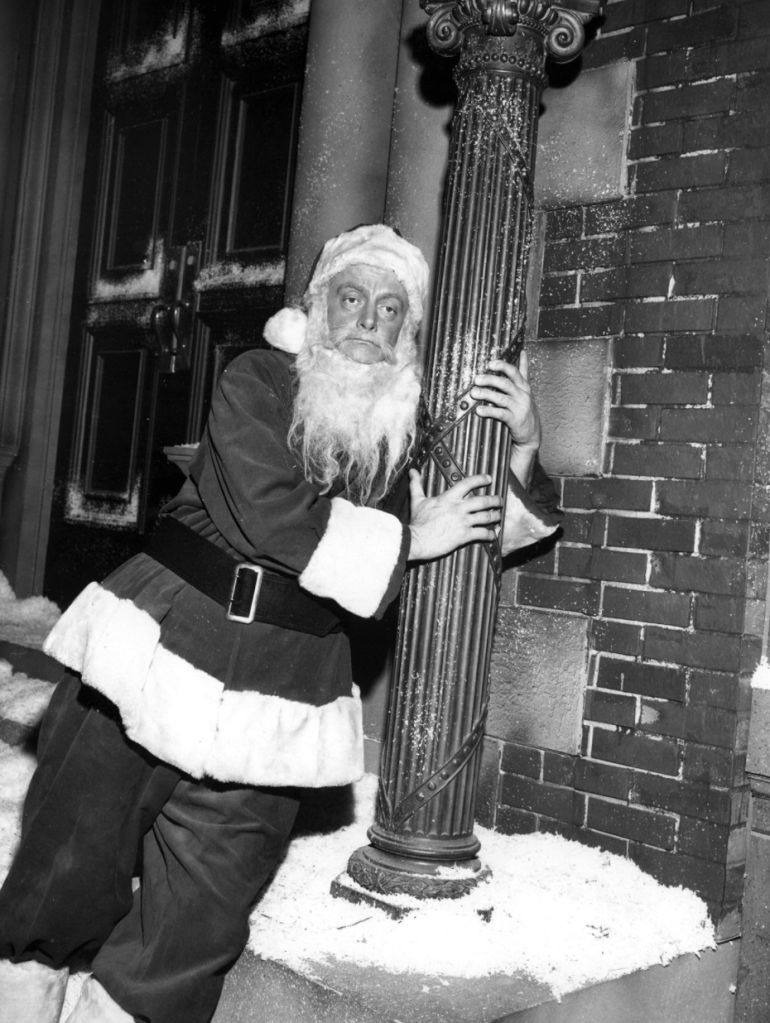
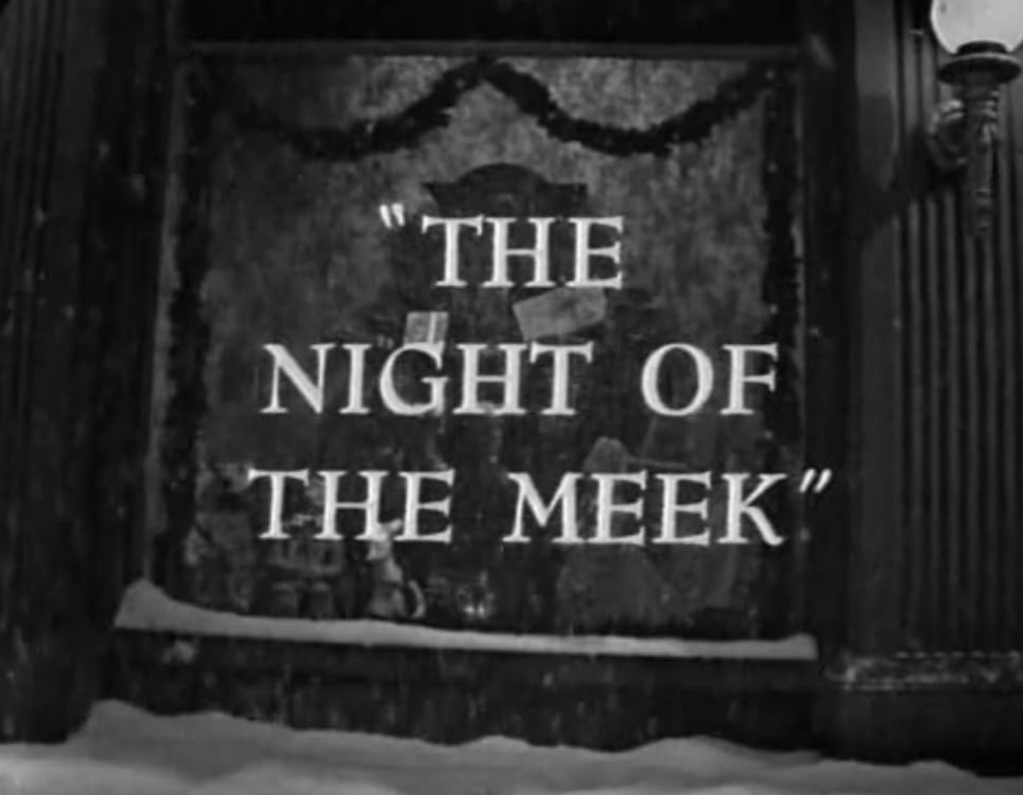

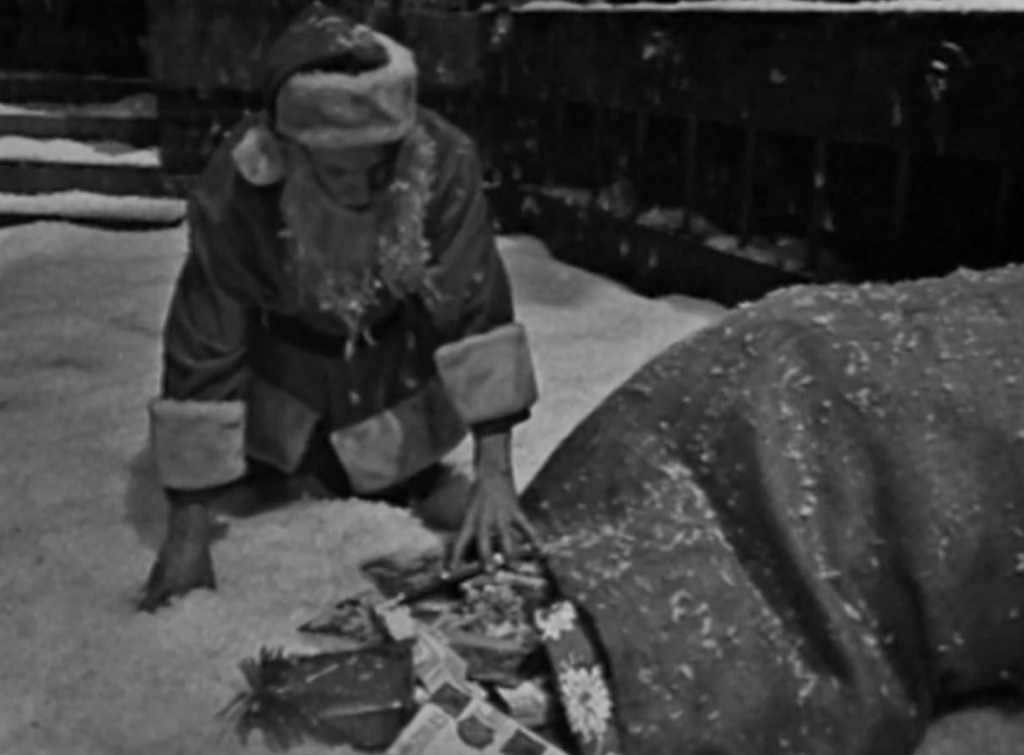
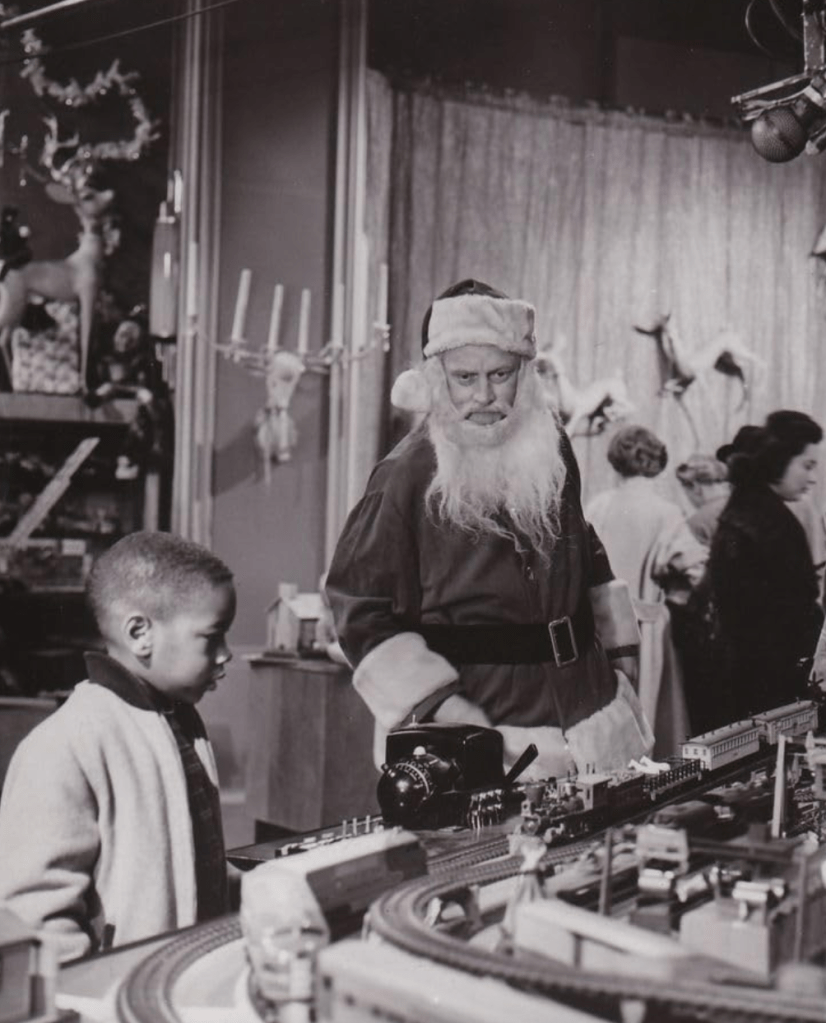


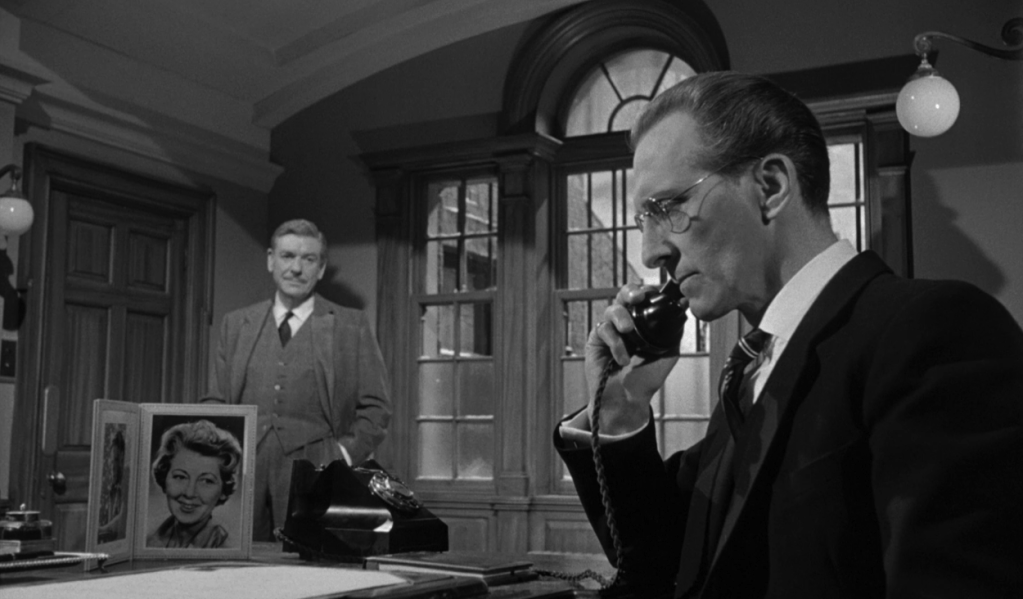
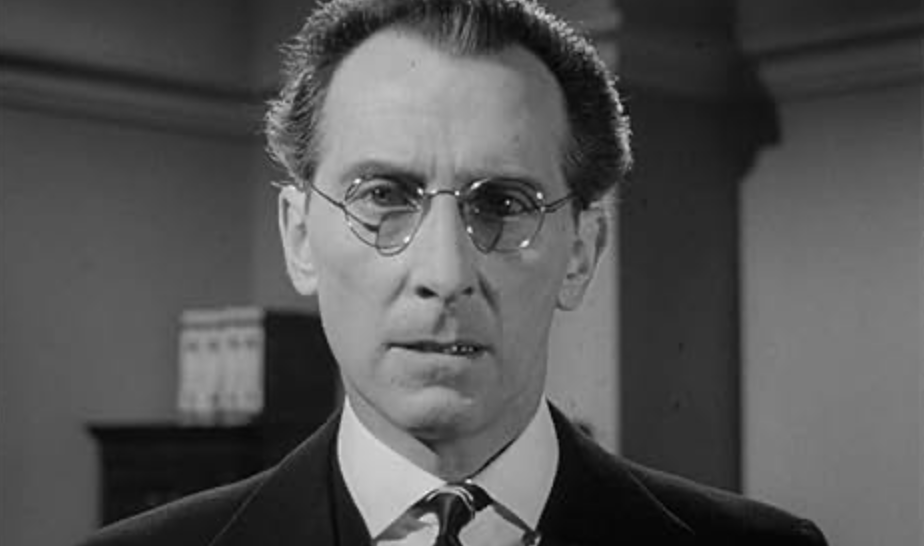

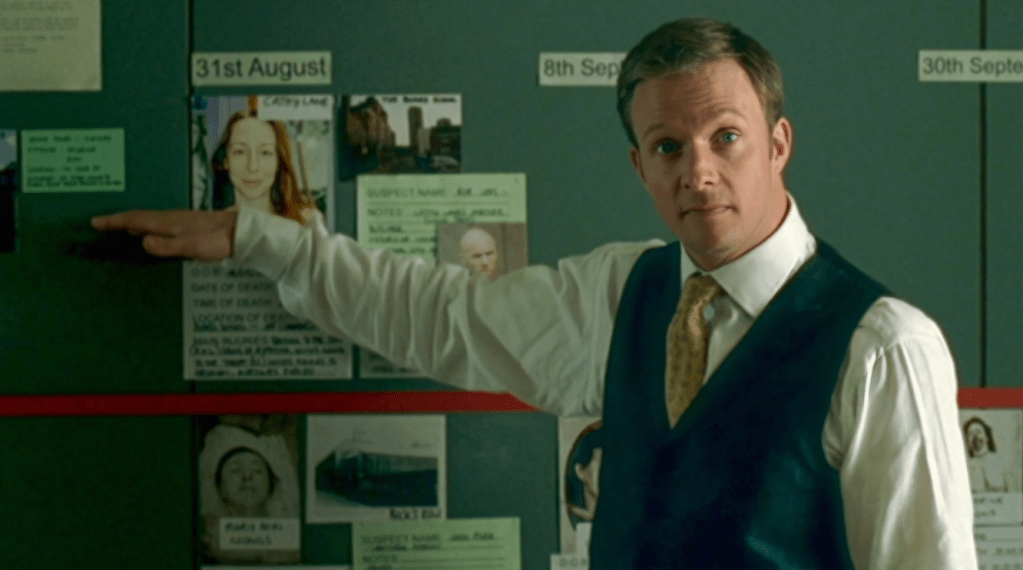

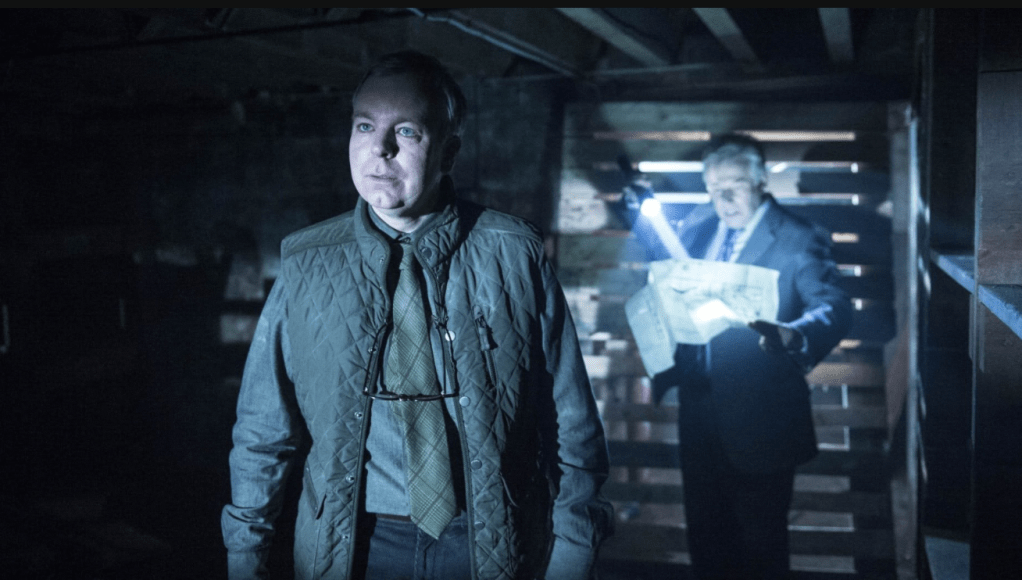
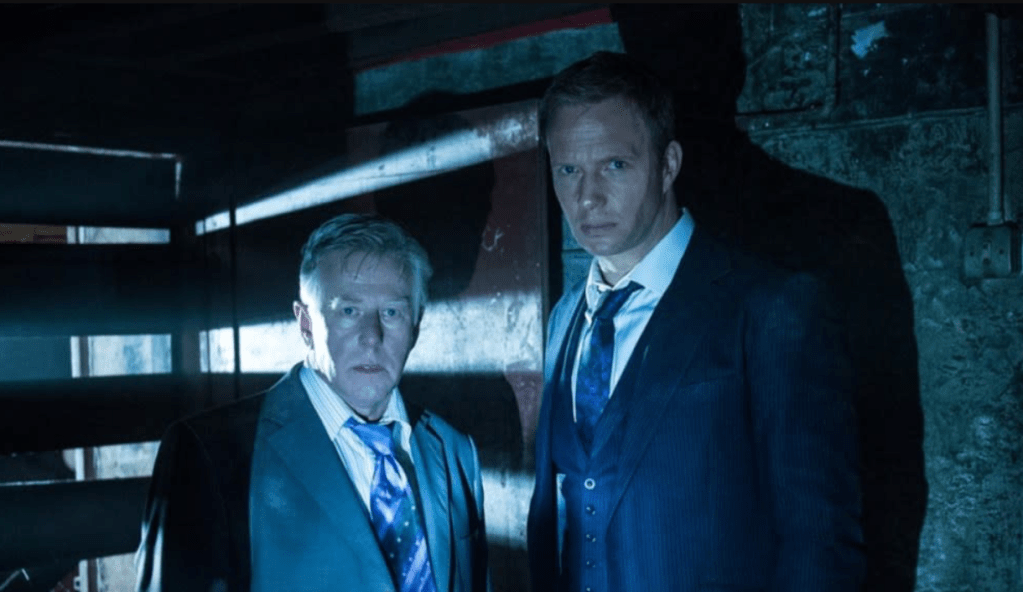
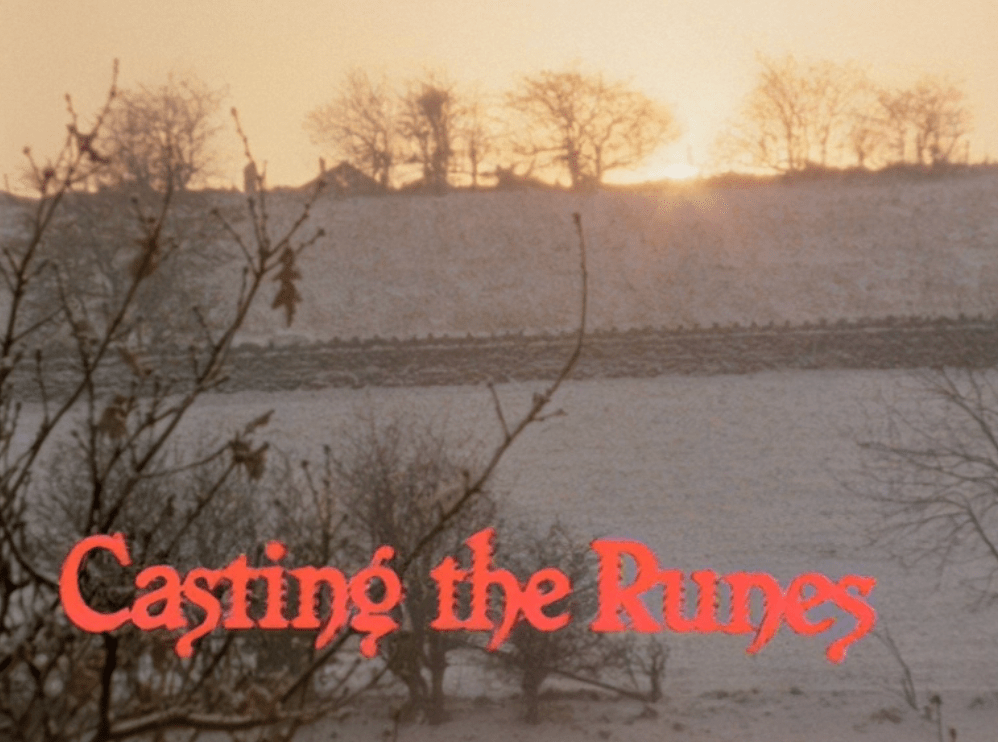
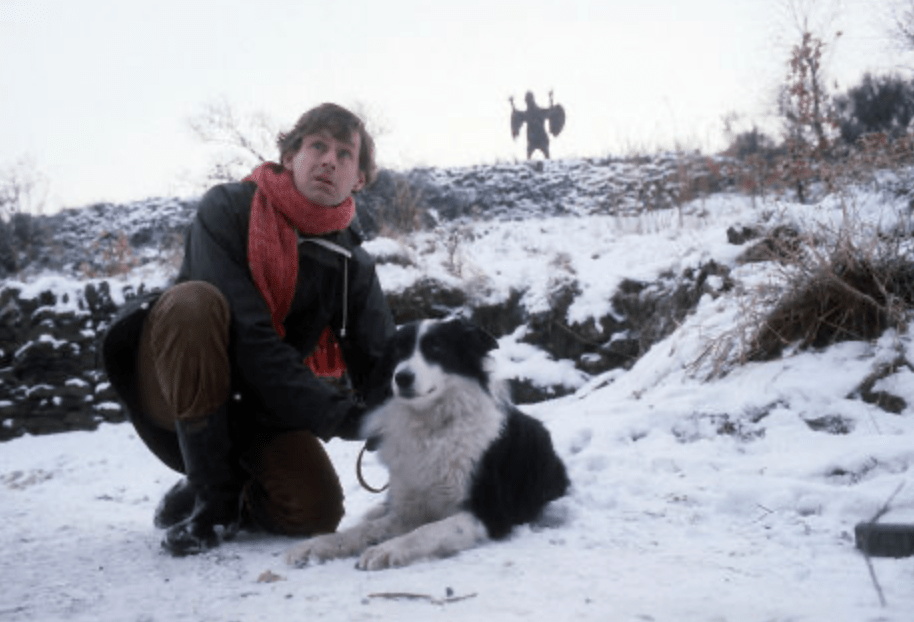
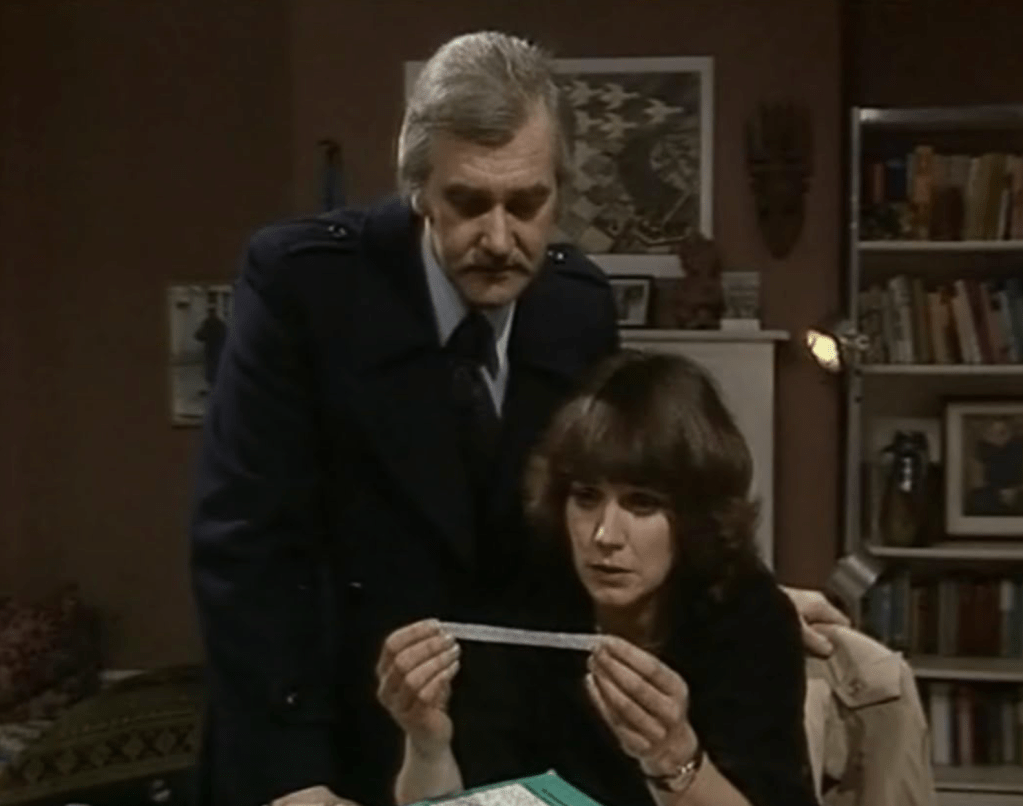

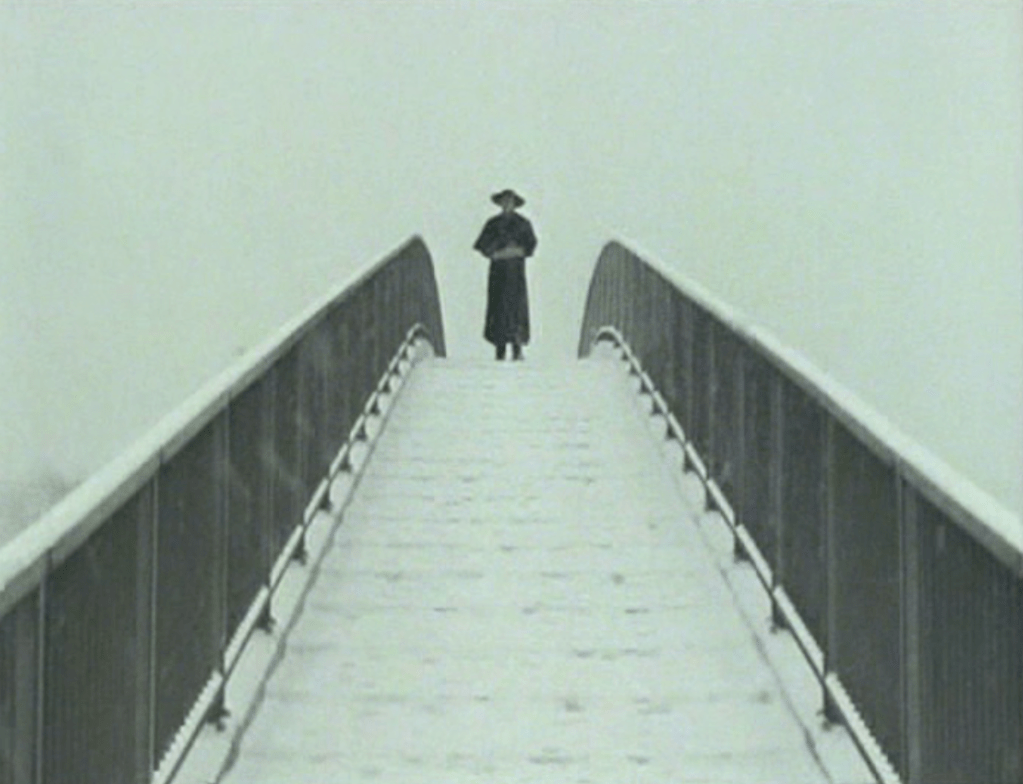
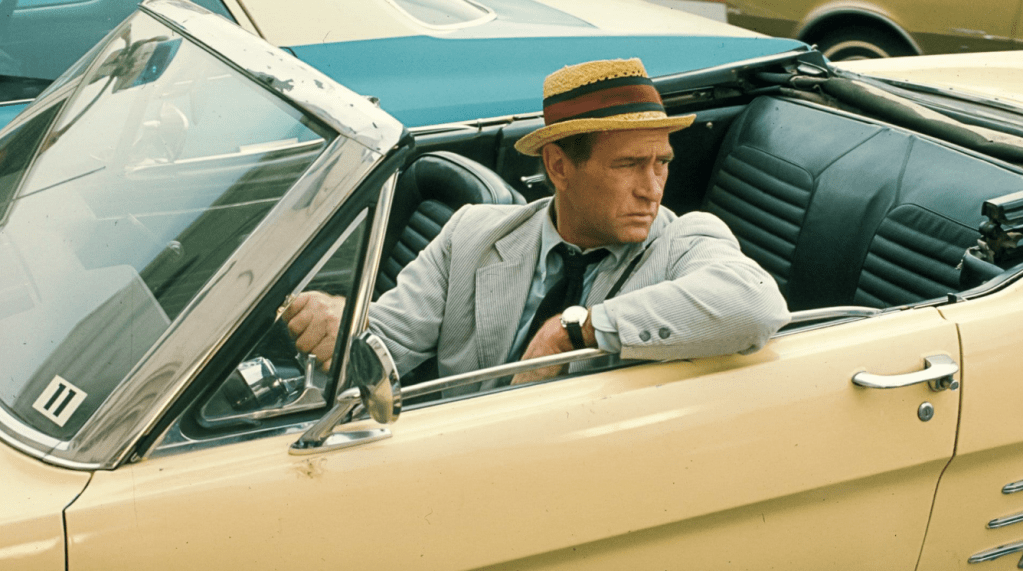

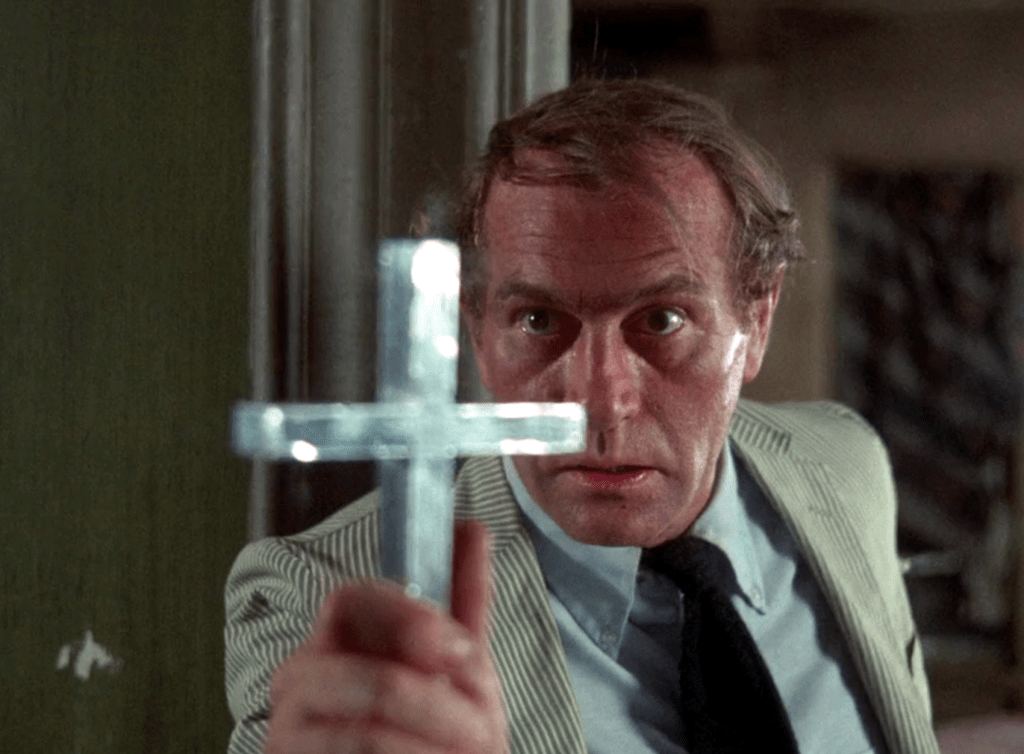
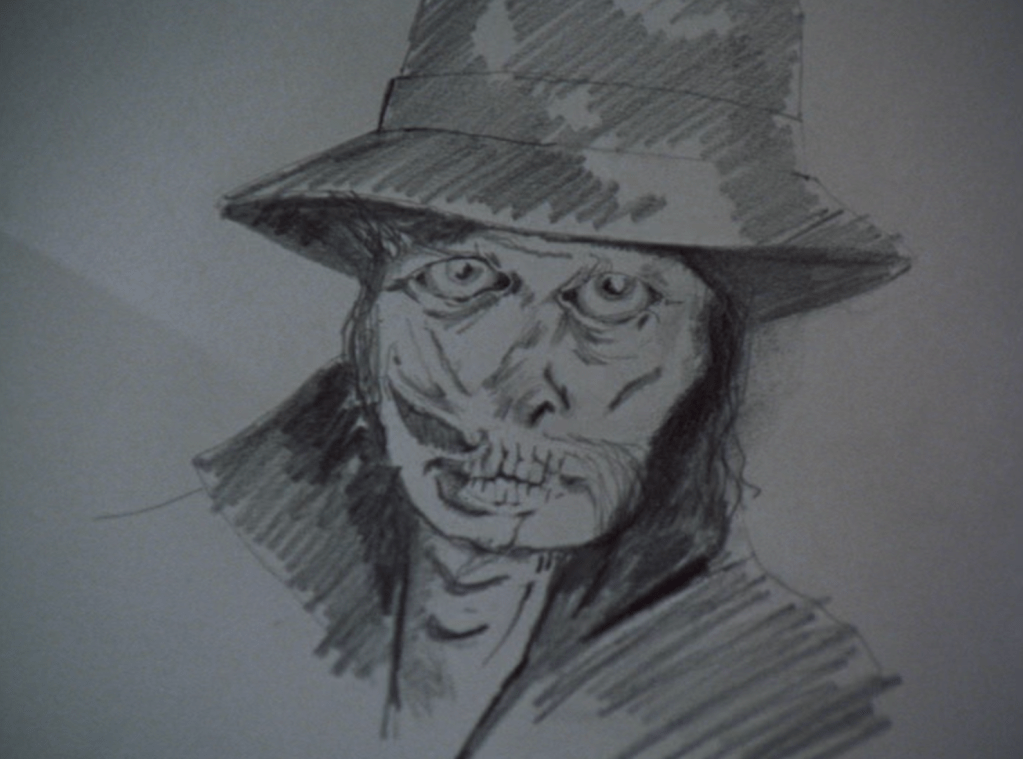


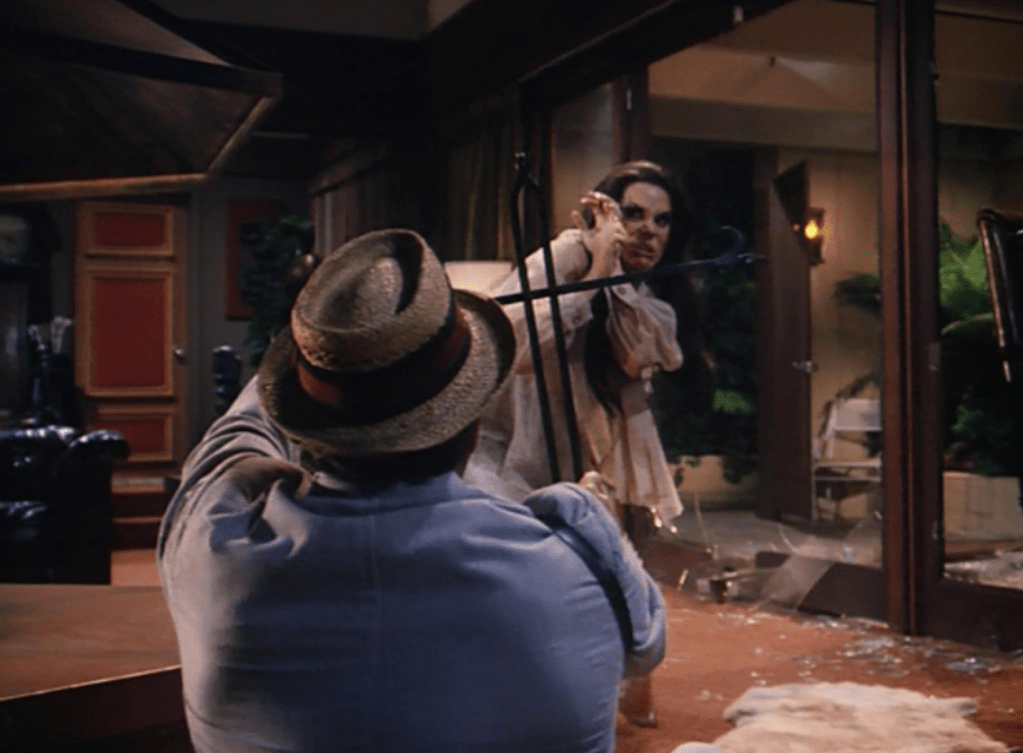
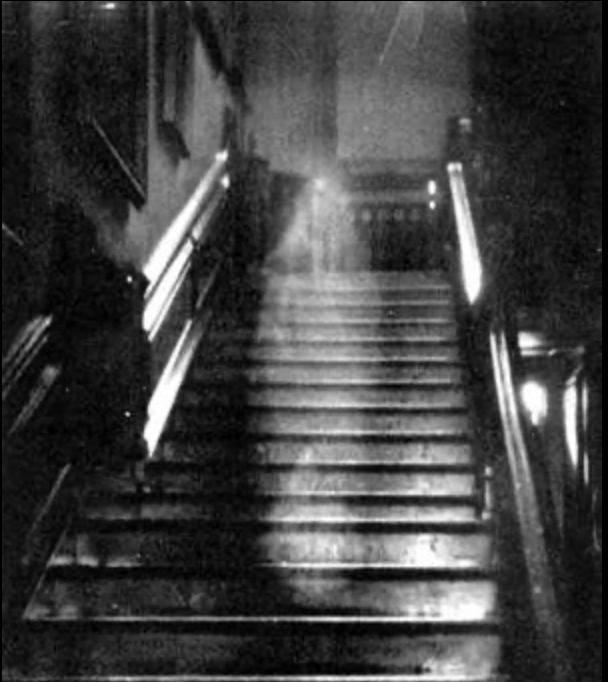
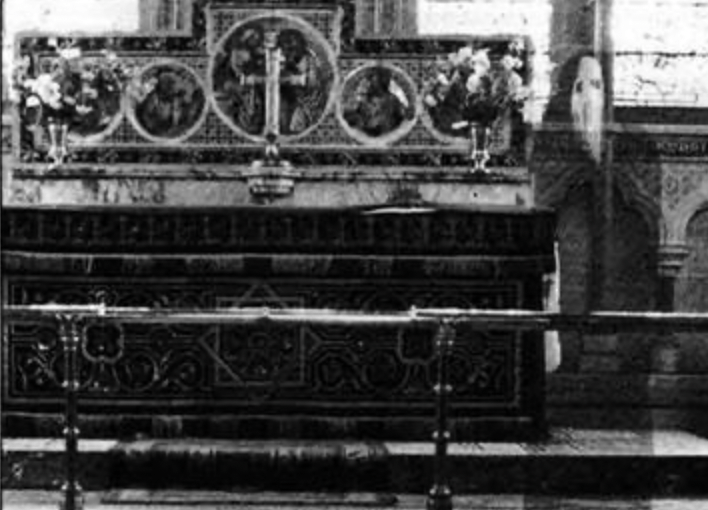
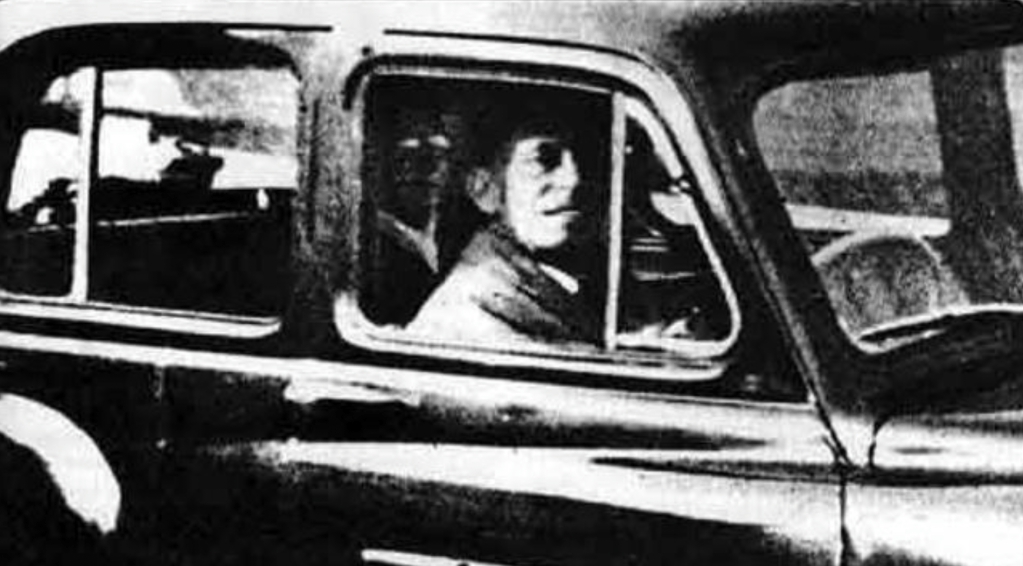
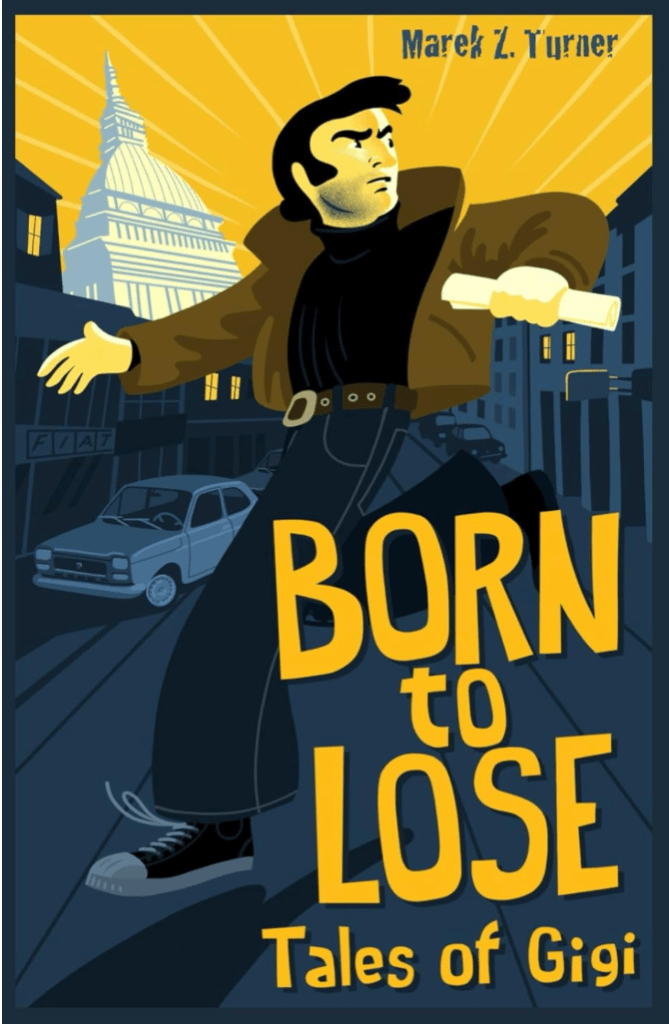
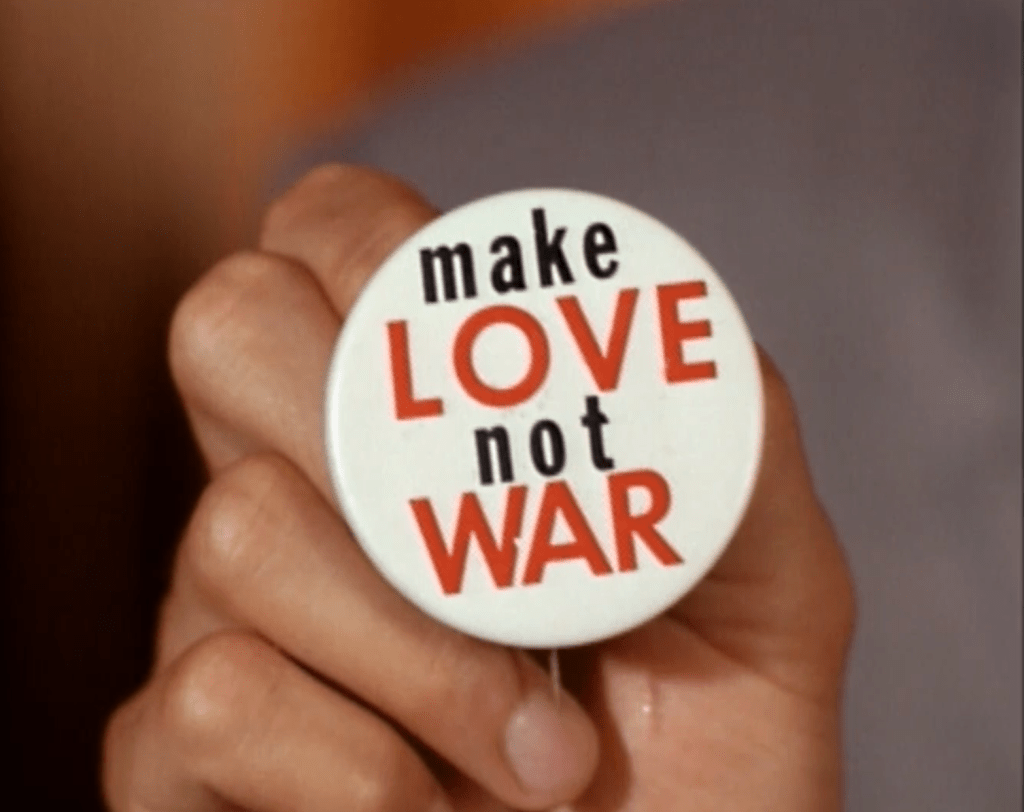

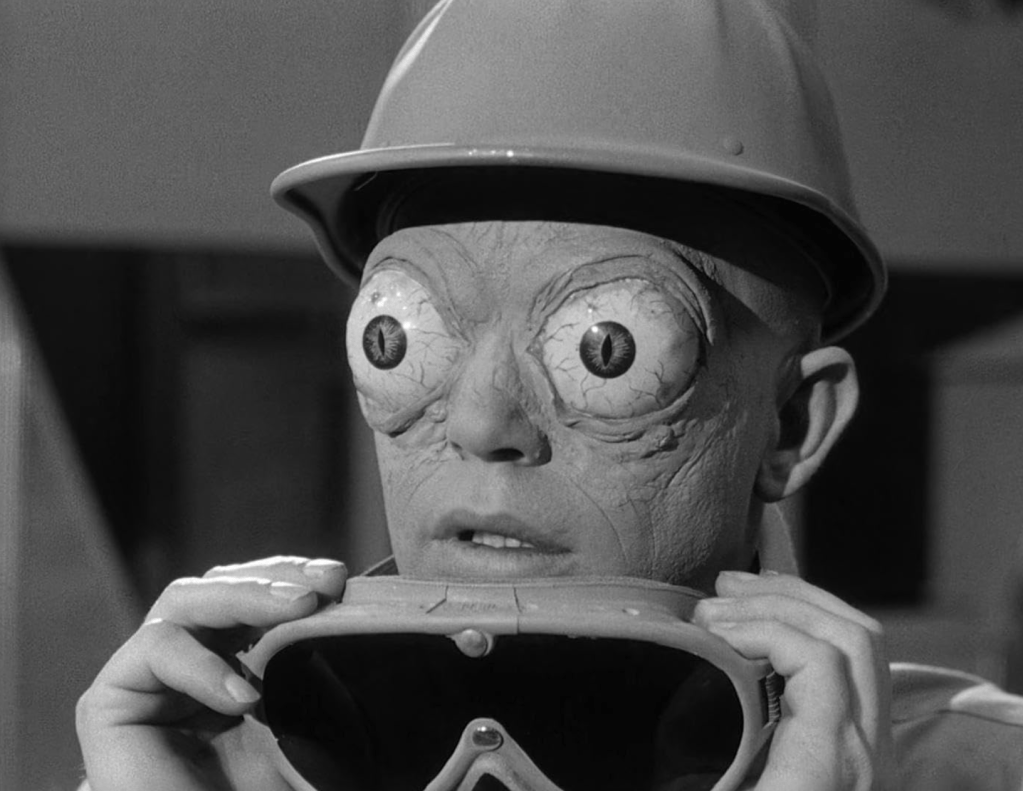
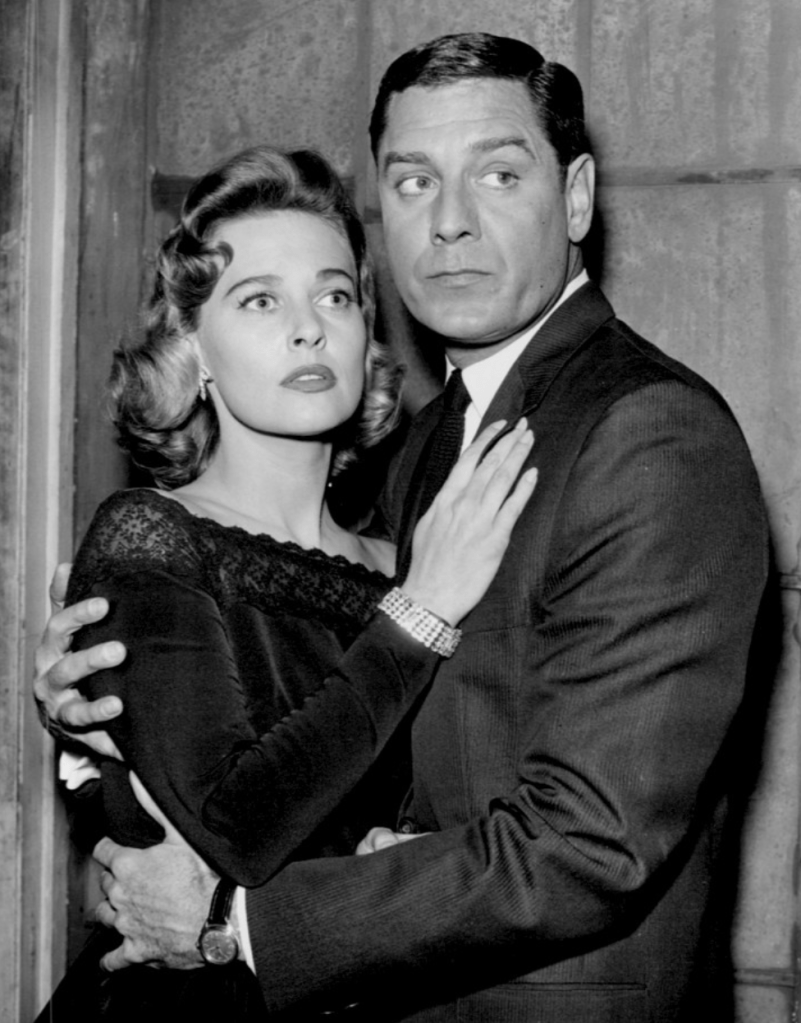

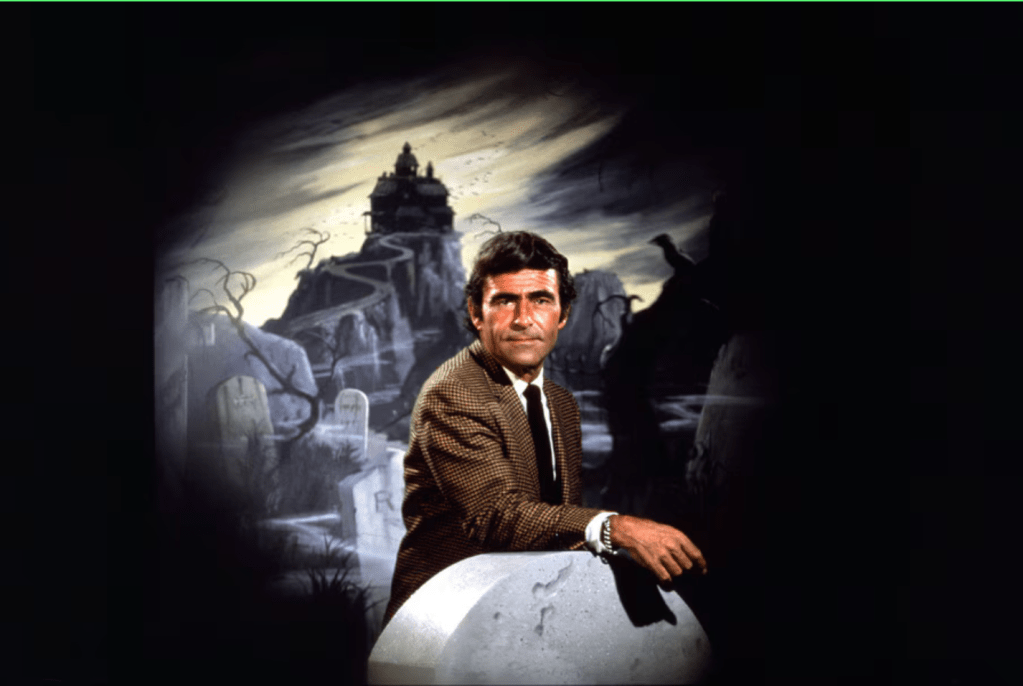

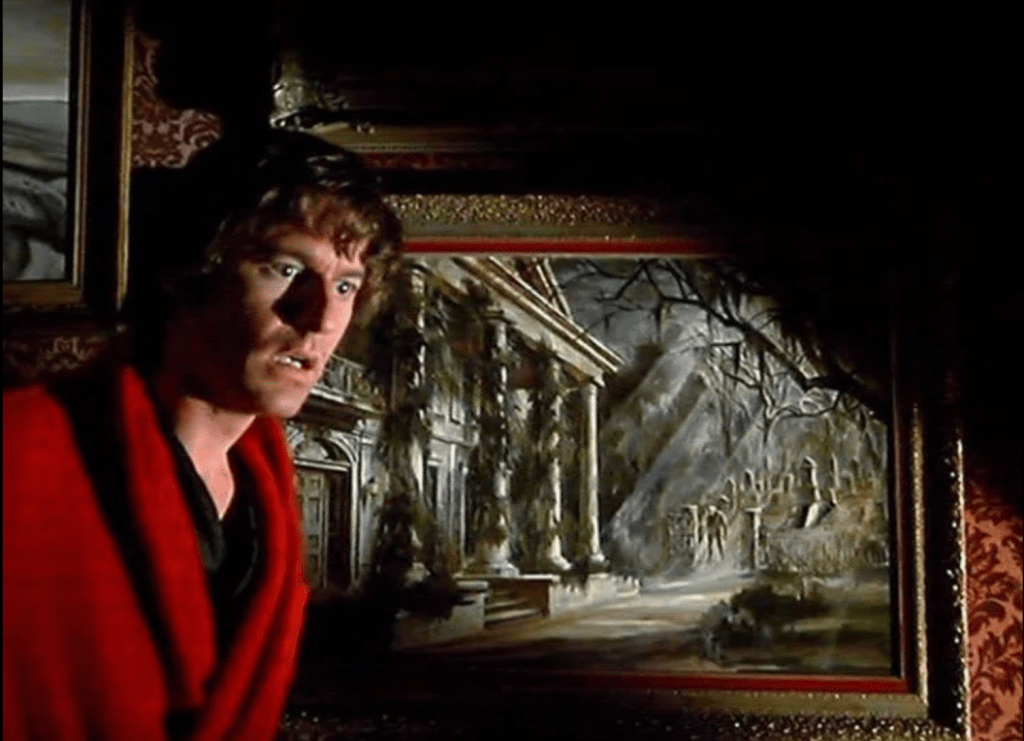
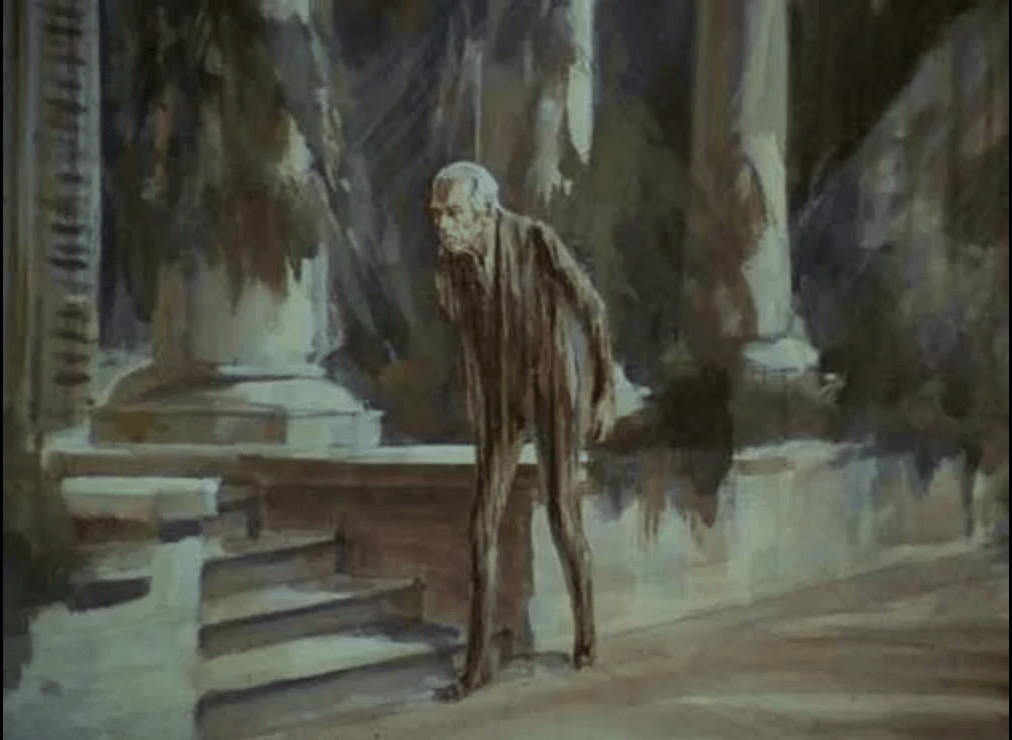
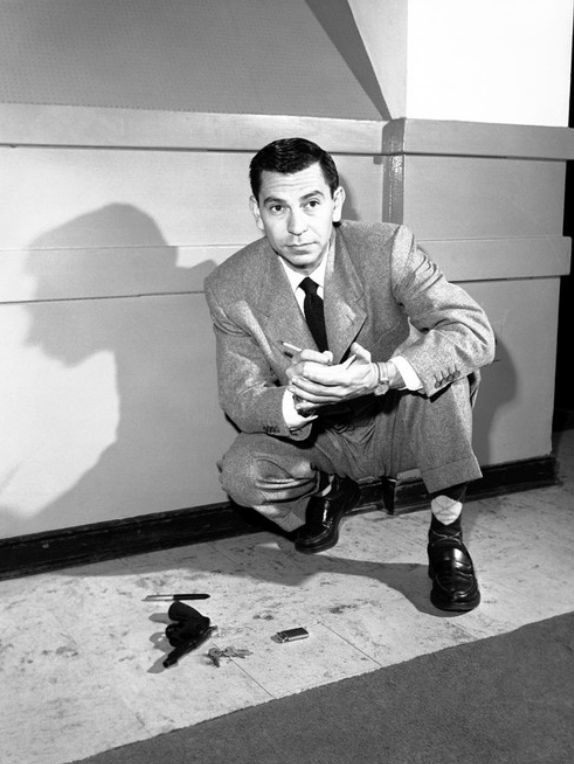

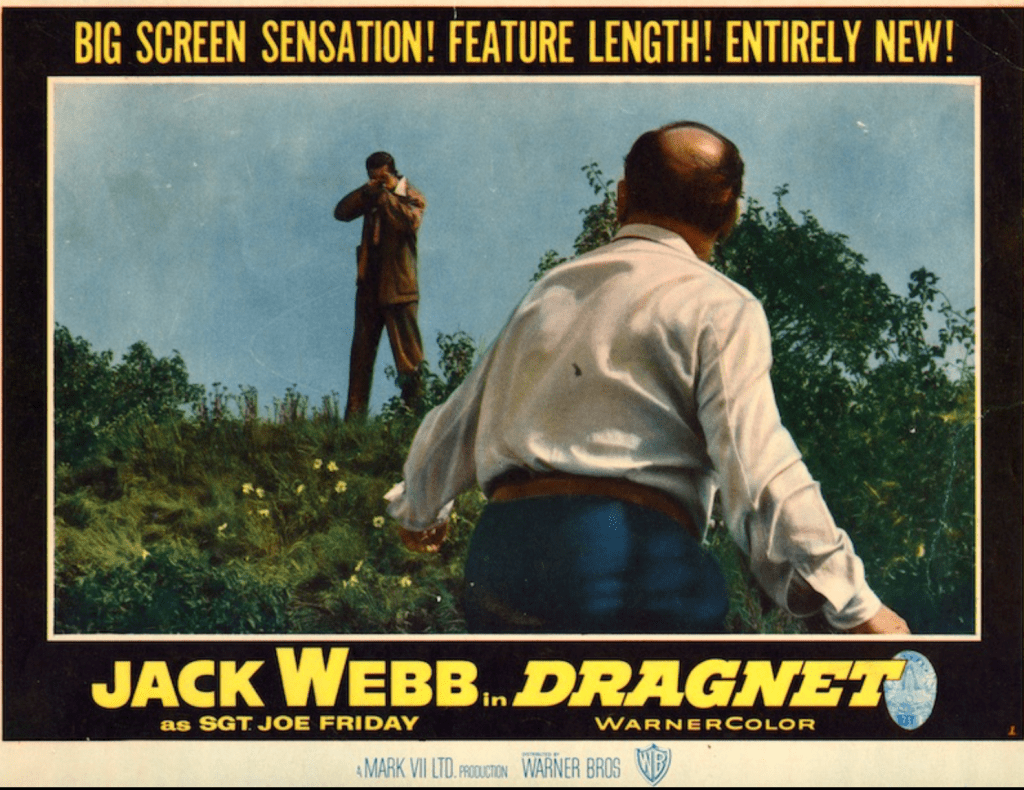
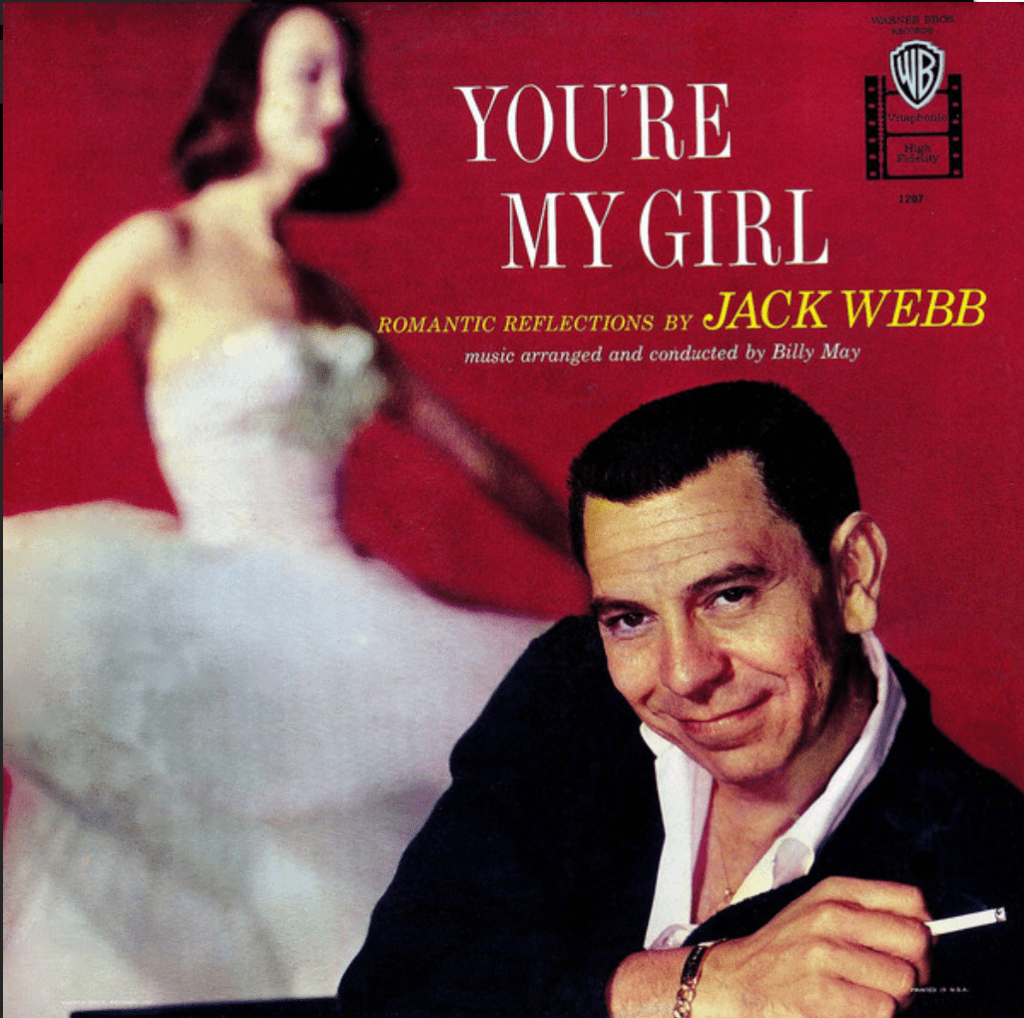
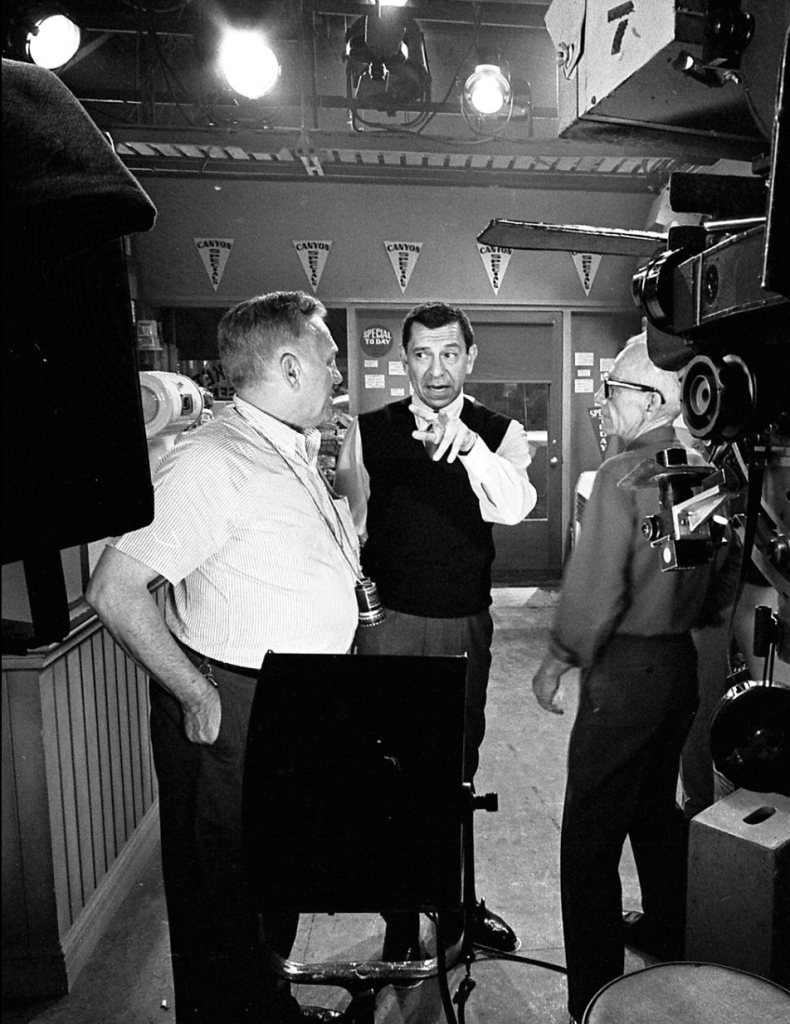

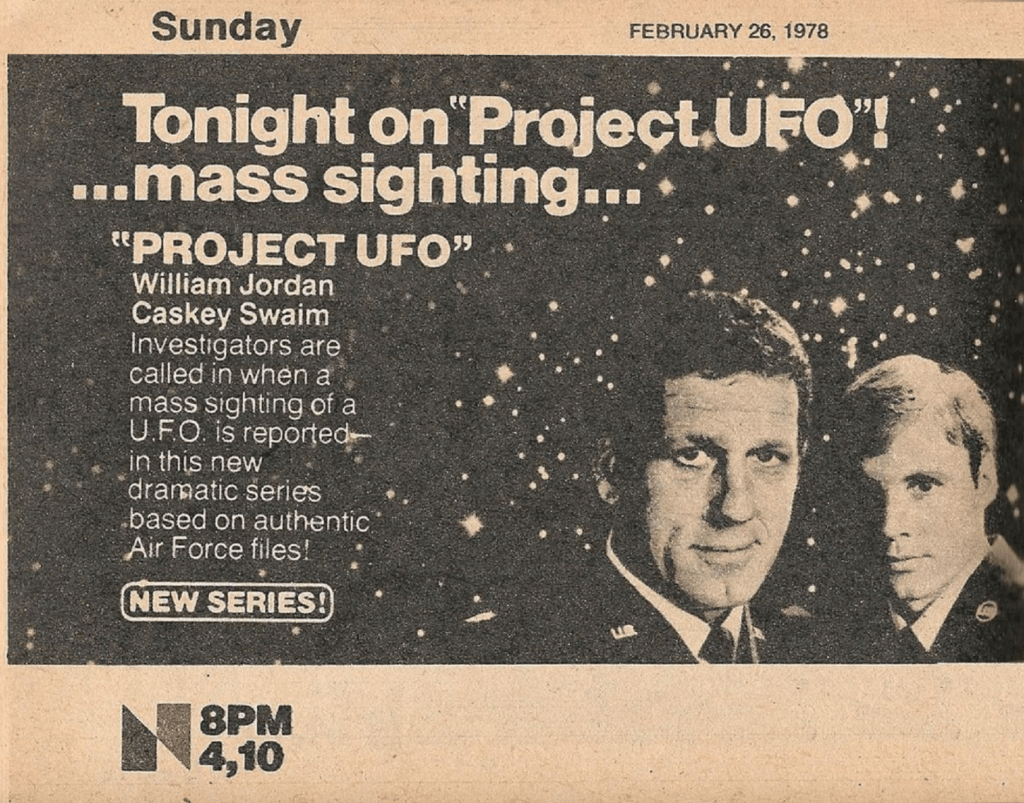
 Writing by Jamie Evans