A brief journey through what has been distracting me this month
Book highlights this month
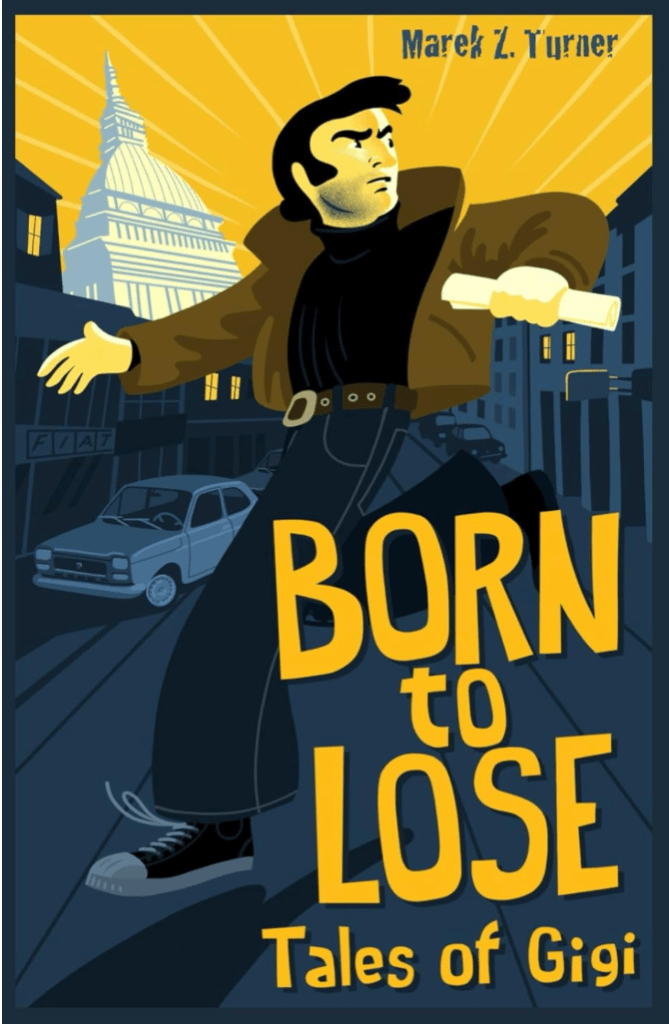
Marek Z. Turner had the inspired idea to take a minor character from a Dario Argento film, Cat O’ Nine Tails, and make him the central focus of a book detailing some of his career as a burglar and minor-league criminal in Turin during the 1970s. Born to Lose: Tales of Gigi is a look into the world of Gianluigi ‘Gigi’ Moretti, a not-untalented burglar frequently derailed by alcohol, and equal parts poor luck and bad judgement.
Turner finds comedic gold along with pathos as Gigi encounters everything from explosively broken toilets to double crosses and, in the book’s set piece story, a desperate attempt to outwit a deadly assassin. He has done his research and submerged himself in the culture of that decade in Italy, but also layers the stories with details of Turin and the realities of being a petty criminal nobody that add to a feeling of authenticity. The tone weaves with skill between being genuinely amusing, bittersweet with melancholy and escalating in tension, sometimes within the same story. I really enjoyed Born to Lose, and recommend not just it but Marek’s previous two books: another crime story (the brutal thriller The Eighth Hill) and a gory creature-feature horror (Killerpede) that opens with a bravura, grotesque death sequence that enjoyably sets the tone.
Television highlights this month
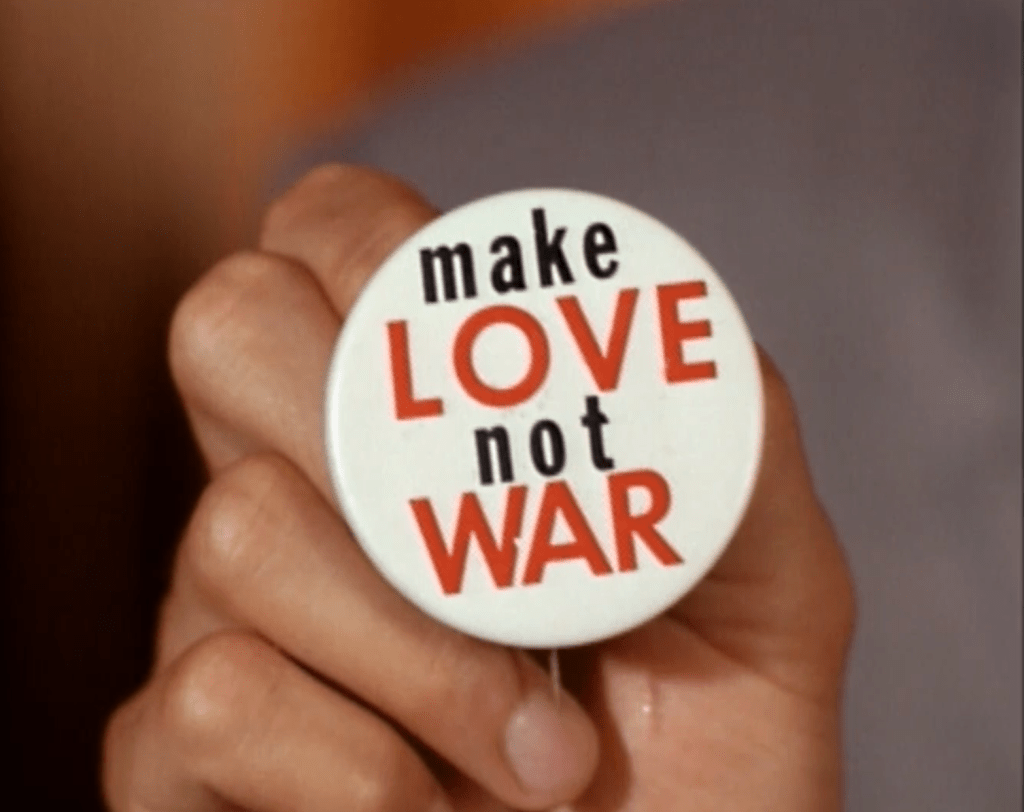
Dragnet 1969: After writing about Jack Webb earlier this month it sent me back to what is probably still the defining achievement of his career, the resurrection of Dragnet in the 1960s for television.
Launched in 1967, each of the four seasons are defined by the year they were broadcast. Dragnet 1969 is the show’s third season and the one where Webb detaches more significantly than in previous years from the template his original series (from the 1950s) had established. There’s only occasional room for the crime-of-the-week format from now on as Webb instead focuses on various functions of the police officer’s role in Los Angeles. I’ve not long reached a mid-season episode where Friday and Gannon are pulling duty at the Business Office (essentially the front desk) and it’s glorious.
Webb sets out his stall from episode one this season, ‘Public Affairs – DR-07’, in which Friday and Gannon are sent as LAPD representatives to sit on a panel for the show Speak Your Mind. They are up against ‘historian, social critic, and political activist’ Professor Tom Higgins and Jesse Chaplin, ‘editor-publisher of L.A.’s favorite underground newspaper’. Neither are fans of the police. Nor is anyone in the crowd. What follows is 25-ish minutes of fantastic television, as Friday and Gannon respond to charges the police are a state goon squad solely there to protect property, to oppress Black people, and that a “man of conscience (has) the obligation do disobey outmoded laws“, including the police.
Dragnet 1969 (and its other seasons) is a fascinating record of television and society changing to reflect the momentous events of the decade. It’s also simply very entertaining, directed in Webb’s clipped, easily parodied style, and as individual a series as you’re likely to find. Revisiting Dragnet 1969 also led me back to Suzy Dragnet’s wonderful blog ‘Everyone Nods: The Dragnet Style Files, a work of art in and of itself.

The Remarkable 20th Century: I’ve also been taking a slow meander through a documentary series from 2000, The Remarkable 20th Century, presented by Howard K. Smith, one of the Murrow Boys and well positioned to host as someone who spent six decades of his life reporting on the events of the day. It’s a mix of talking heads and substantial footage from news reels and programmes, some of it potently shocking in its intensity. Each episode romps at speed through a decade and as such, it touches on events before moving on to the next big thing, but the fascination of what is unfolding prompts you to explore more after. Given the state of the world today – and its leaders – it’s clear we have learned little from history. Those leaders could certainly do with even this swift gallop through the best and the worst of last century.
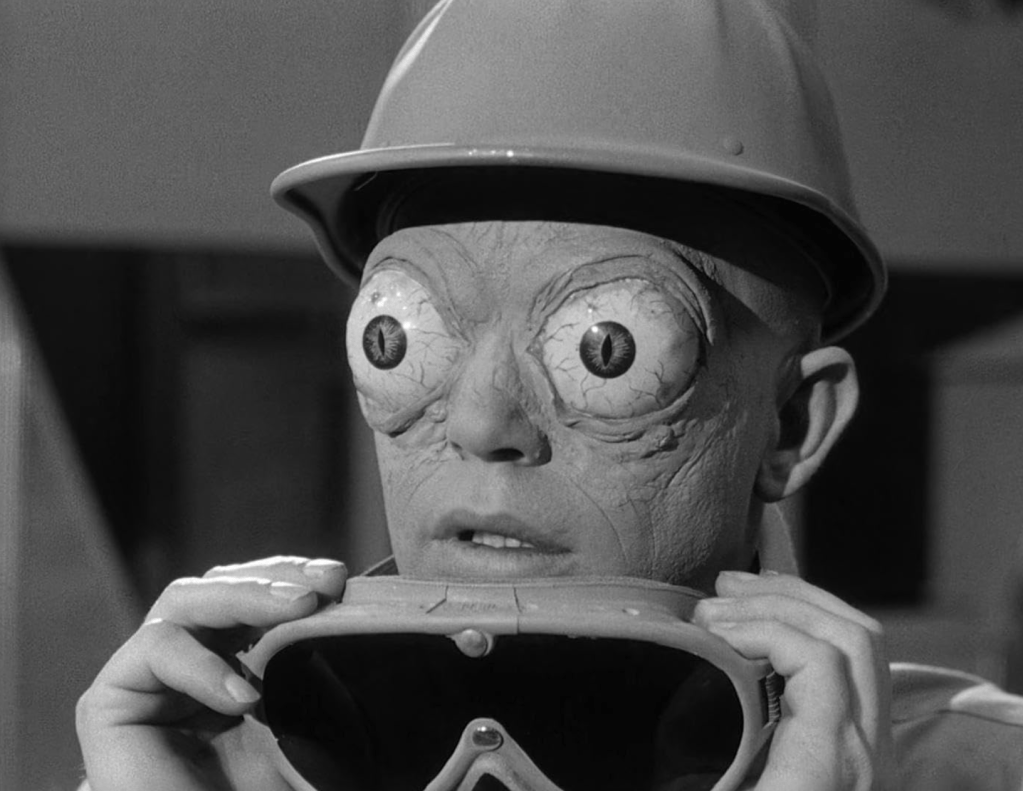
The Outer Limits: I am currently back to a run through The Outer Limits and up to ‘The Mutant’, the 25th episode of the first season. This has one of the most iconic ‘bears’* of the series, Warren Oates’ bug-eyed telepathic mutant Reese. It benefits immensely from Oates’ off-kilter rhythms and strange charm as he makes Reese feel genuinely ‘other’. Reese would likely be strange even if he didn’t have giant eyes and the ability to think people out of existence. It’s a good episode of a great show that twisted noir and fantasy, science fiction and horror into something uniquely queasy.
*’Bear’ was the name given to the monster of the week, displayed prominently and quickly (usually in a pre-credits tease)
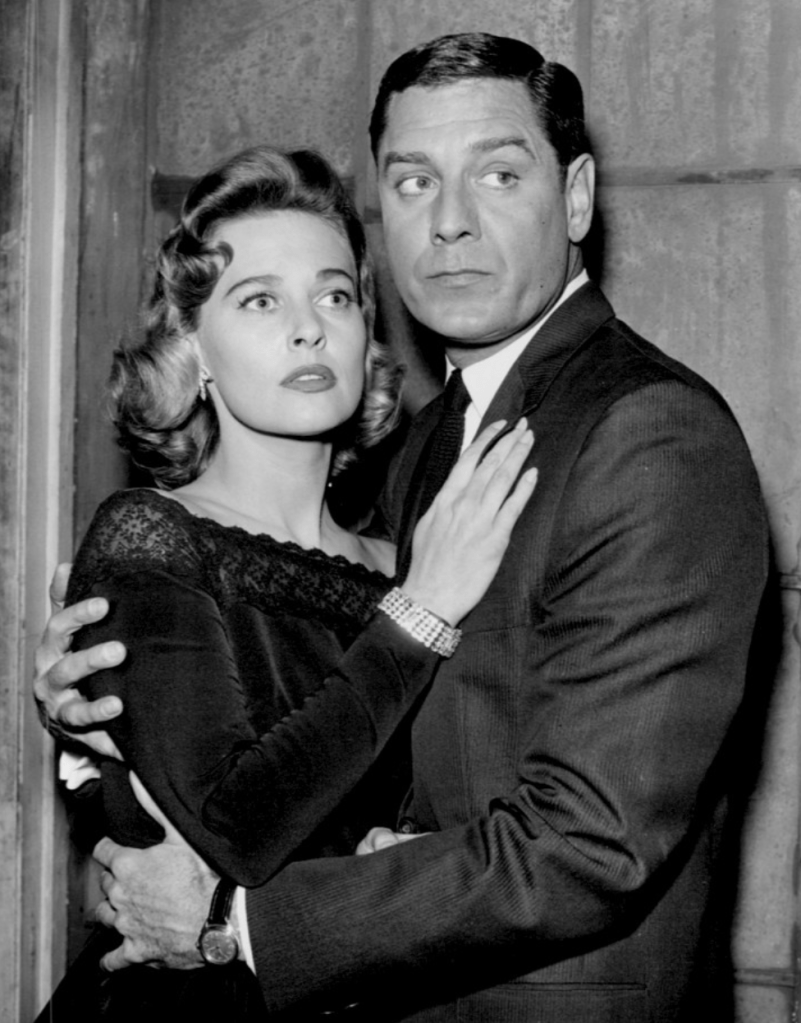
Peter Gunn: I’m also back to Peter Gunn, a private investigator series created by Blake Edwards in the late 1950s. It has a jazzy score and instantly recognisable theme by Henry Mancini, and each week finds Gunn taking on a case that frequently gets him beaten up and/or nearly killed. Gunn is a good guy and that gets him into trouble as he comes up against gangsters, duplicitous dames and other unsavoury types. It’s a little slice of noir each episode, gorgeously shot and usually dependably entertaining. A lot of fun, and very much recommended.
Music highlights this month
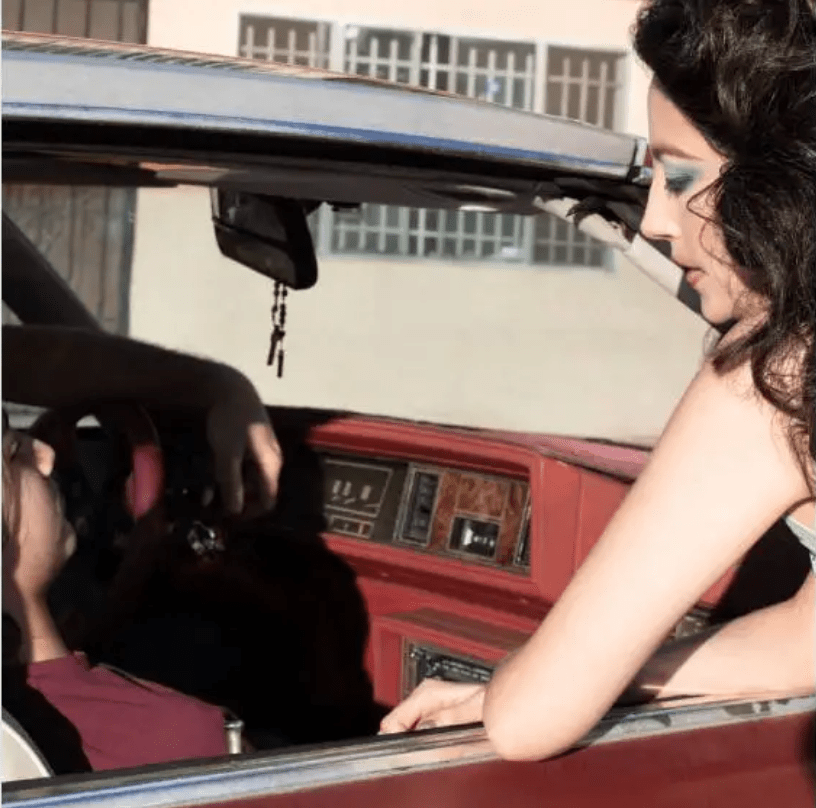
I quite like a lot of music, but it’s rare there will be a music highlight, given I only love two bands, listen to one band more than anyone else by far, and am generally otherwise indifferent to a lot of what gets released.
But… this month, that one band I listen to the most by far released their first album in nearly four years, and it’s a beautiful record that distills everything that makes them special. Lonely People with Power by Deafheaven is a joyous listen from beginning to end. That might sound unlikely for a band that have mostly returned to their dense, overwhelming signature sound after a segue into lighter territory. It might also seem unlikely for a record that runs to just over an hour and keeps up a sustained mood of furious apocalyptic melancholy. But, we are where we are.
Unlike lots of heavy music that trades in tedious machismo or bludgeoning anger, Deafheaven, and Lonely People with Power, takes darker emotions and fashions them into something else entirely. Blastbeats and giant riffs mix in with influences that vary from nineties British rock to ambient soundtracks. It’s the soundtrack to the end of the world, sure, but it’s a beautiful end. This might be their best apocalypse yet.
 Writing by Jamie Evans