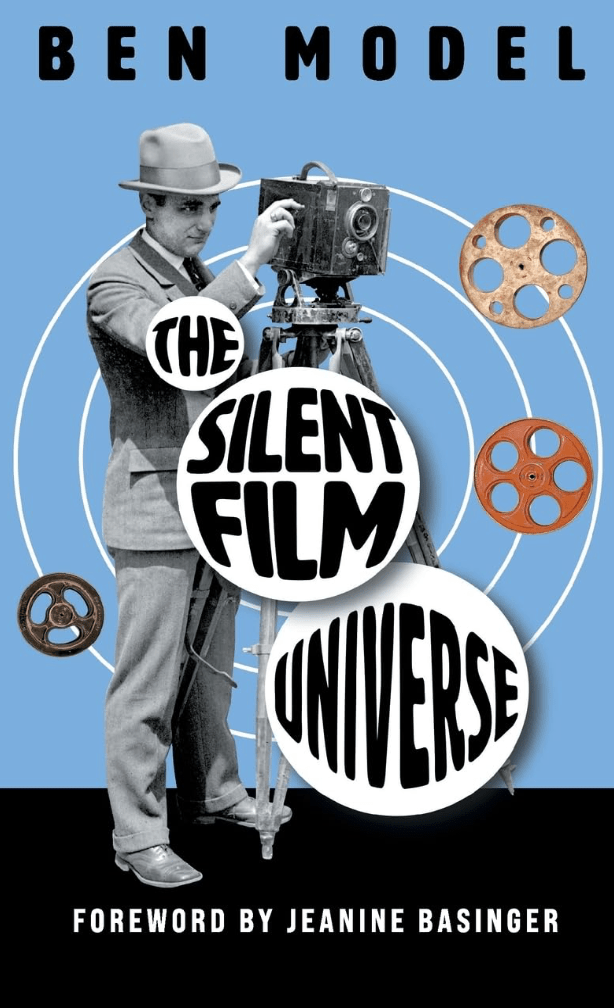
The films, books and television I’ve been enjoying in recent months
I haven’t done one of these in a while, mostly because life finds a way (to get in the way) and, like everyone else in the UK, I have been melting, I’m melting etc, etc. So, like a YouTuber who says things like ‘Without further ado, let’s get started’ after ado-ing the ever-loving fuck out of things, let’s…uh…get started.
Films
Casablanca (1942, dir. Michael Curtiz)
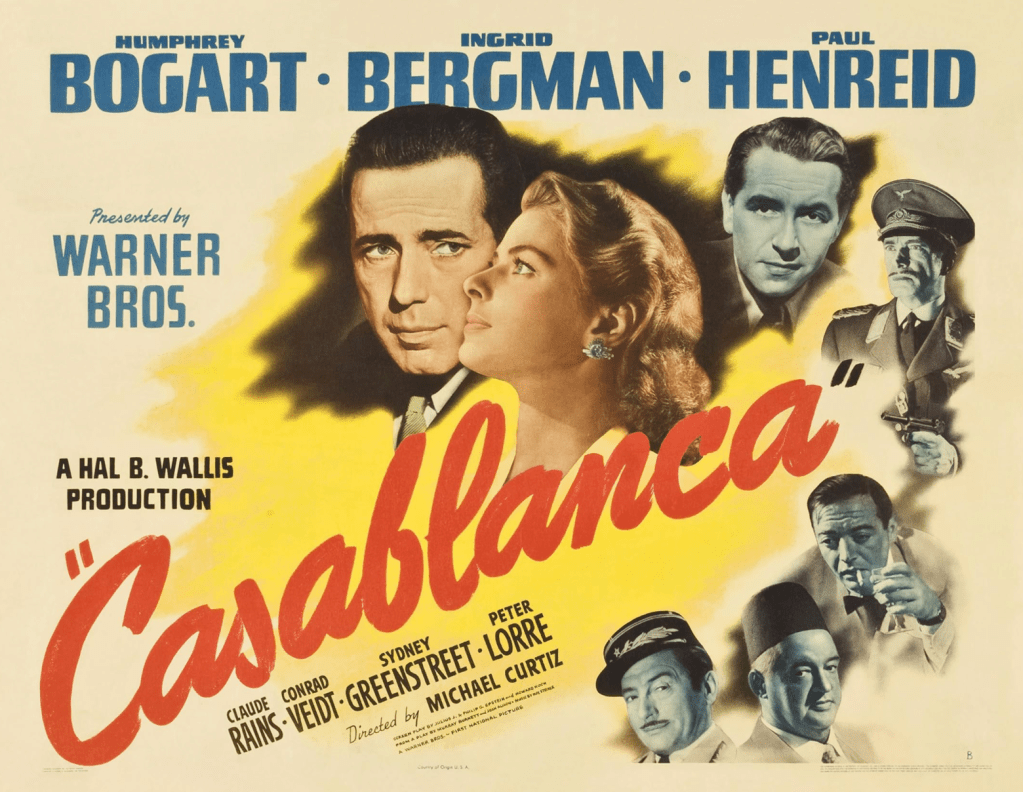
I had never seen Casablanca until earlier this year. That’s mostly because I have VERY SPECIFIC INTERESTS due to reasons, and the film studies course I did at university was, possibly, shit. Casablanca is one of those oft-parodied, baked into popular culture classics it’s easy to feel like you have seen before you get to it.
That’s never really true, and our familiarity with iconic scenes or pastiches can’t obscure the merits of something truly brilliant. That something is a thrilling, romantic, funny, beautifully shot ensemble tale of cynic-with-a-lover’s-heart Rick finding his passion for life again.
The truth of filmmaking is no matter the talent involved, it is hard work, a good outcome often more by serendipity than by design. So it is to a degree here, but you also get a script, performances and creative team fully able to capture that accidental alchemy.
Behind the Door (1919, dir. Irvin Willat)
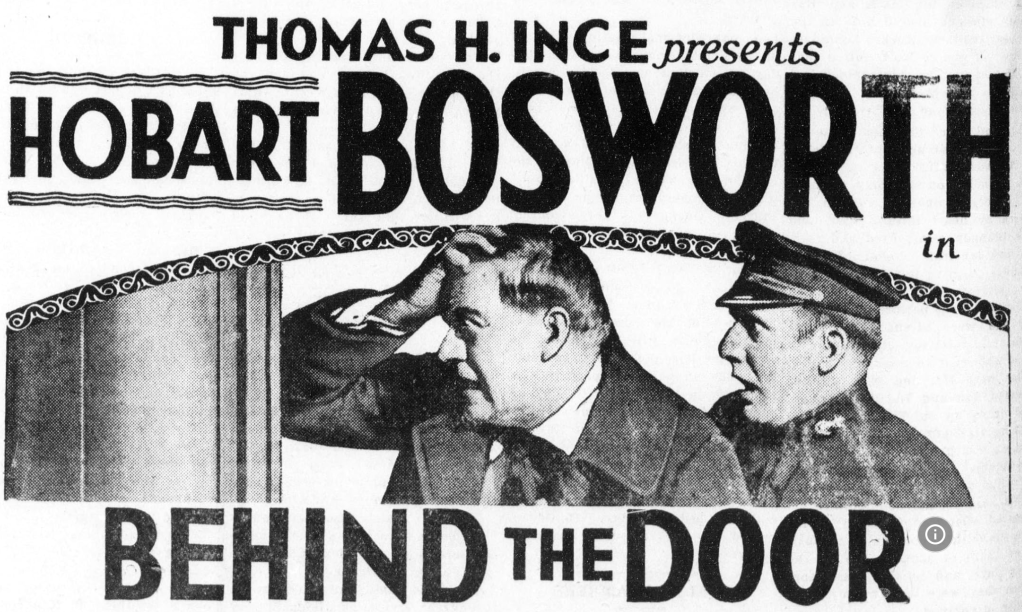
Behind the Door is an adaptation of a Gouverneur Morris short story. A mostly fine WW1-time drama of a couple struggling to stay together despite prejudice and duty, it does that silent-era thing of taking a wild pivot into a stunningly unpleasant last 20 minutes that is still shocking.
It’s reliably, occasionally excitingly directed, and works as laying groundwork for later fucked-up Morris adaptations featuring Lon Chaney, notably the following year’s The Penalty. One-time screen Dr Jekyll, Hobart Bosworth, does good work as its tortured ‘hero’. Glad this one was restored as much as could be. That last quarter though, hoo boy. It’s a film worth watching for the ending alone, warped reels of cinema.
The Ghost of Sierra de Cobre (1964, dir. Joseph Stefano)
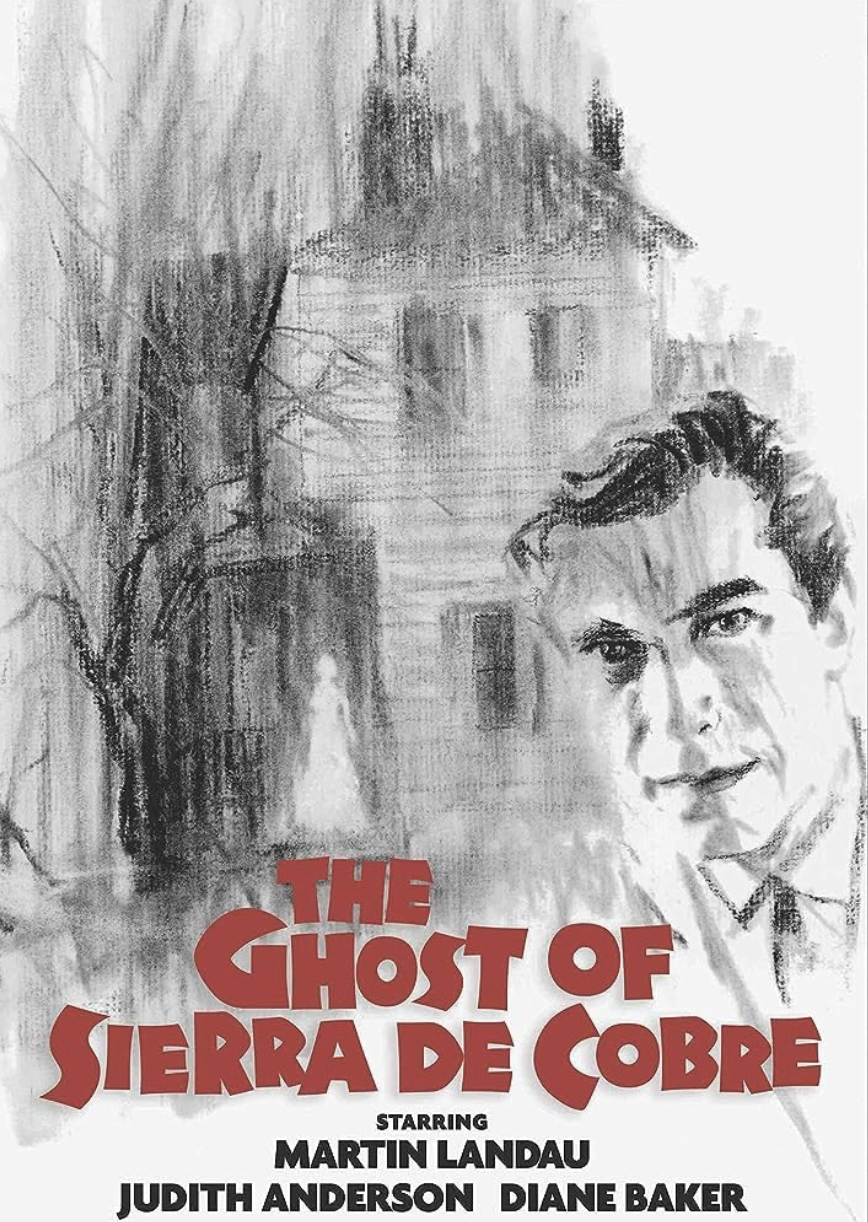
Psycho and The Outer Limits writer Joseph Stefano also produced and directed this 1964 film for a sadly never-to-be series about hauntings (with this film expanded from its initial 50-min runtime). At least we have this slice of weirdness, as Martin Landau’s investigator tries to unravel if a wealthy man is really getting phone calls from his dead mother.
Allegedly shelved as ‘too scary for TV, it’s ponderous and shows its television scale, but is also frequently excellent, with some proper scares and control of its mood. Shot almost like an art film, one easy to imagine without any dialogue, it’s often beautiful. Equally dreamlike and nightmarish, this one is recommended for fans of offbeat horror. As an unusually serious, strange film, it deserves to take its place as a minor haunted house classic.
One Night in the Tropics (1940, dir. A. Edward Sutherland)
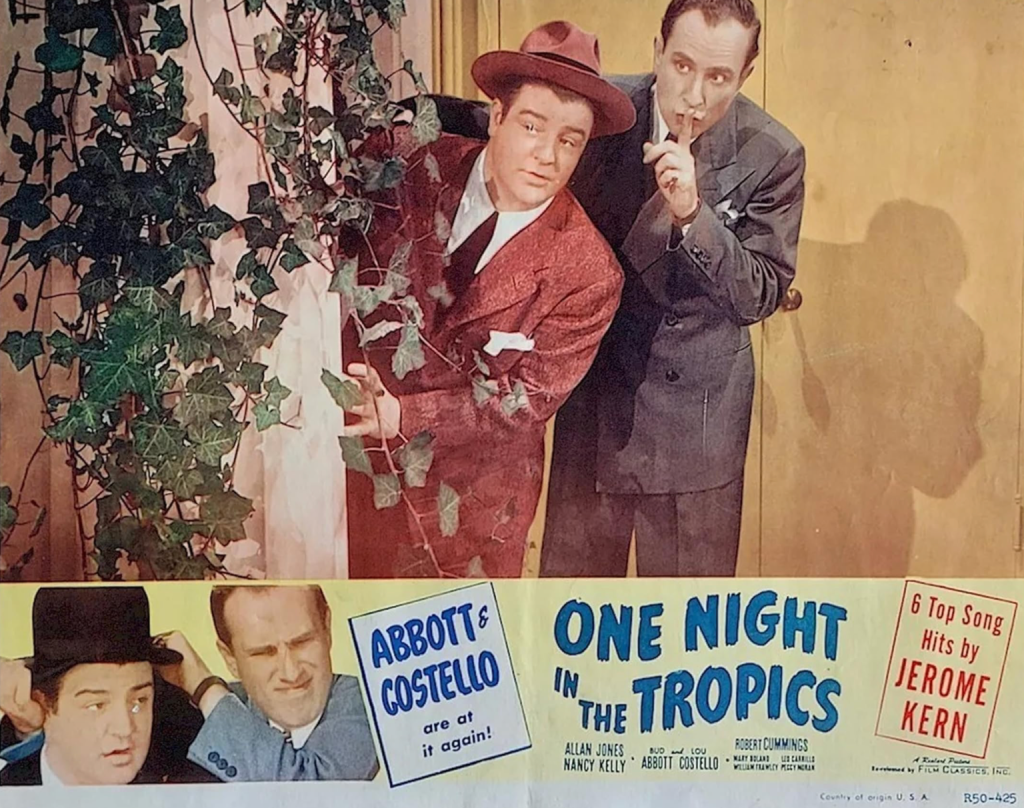
Abbott & Costello make their film debut as side characters in a romantic comedy musical(ish). The film itself is fine, good natured and as entertaining as it sets out to be (mildly). The key reason to watch it for me was the first opportunity for Bud and Lou to brush everyone else aside when onscreen.
They bring energy, timing, and a sense of the absurd to what is otherwise a pretty inoffensively beige romantic comedy of errors. As with Casablanca, you could easily think familiarity with them and their routines would dull the impact, but they are magnificently weird, anxiously anarchic, and worth it every time they appear.
Murder in Coweta County (1983, dir. Gary Nelson)
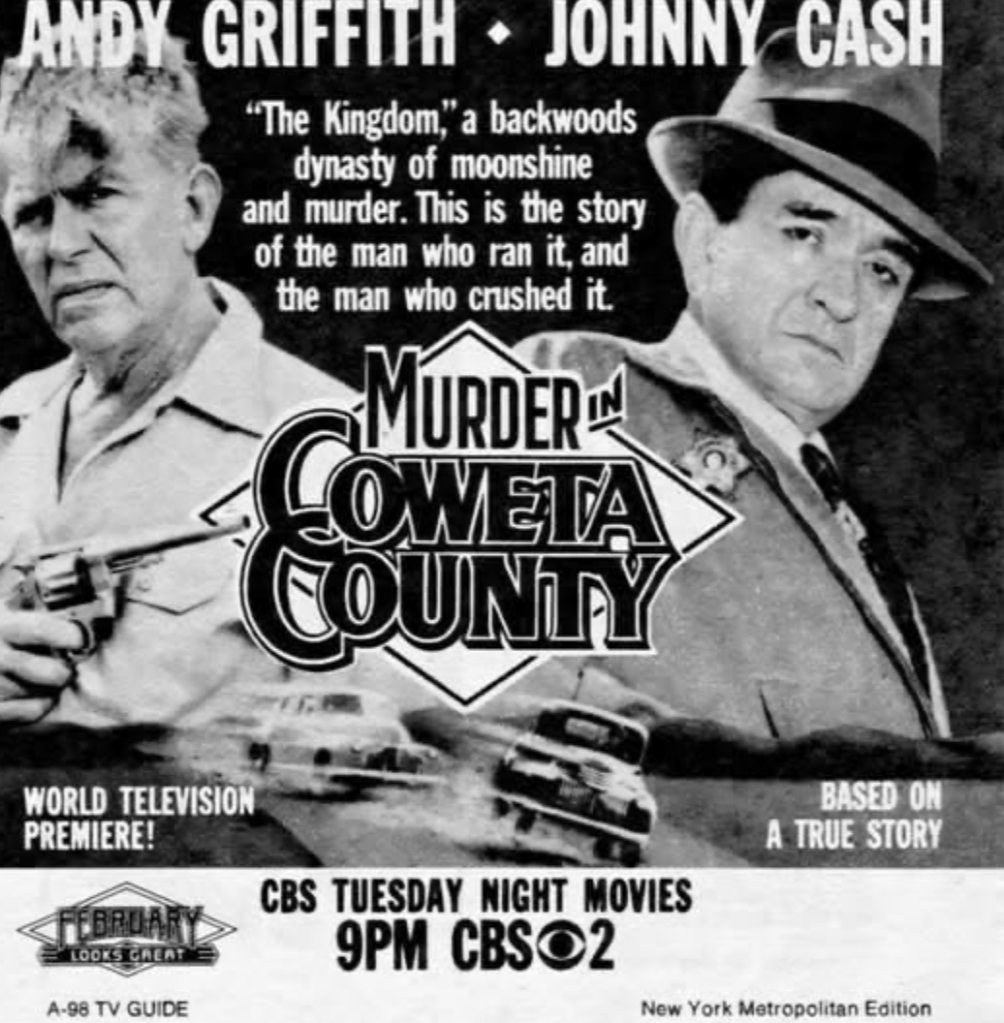
This is the television movie as genuinely extraordinary experience. At first look, we have a dour based-on-a-true-story procedural in which Andy Griffith inverts his sitcom persona to play the dark-hearted opposite.
Here, his fantastically arrogant, racist landowner and king of everything in his domain crosses paths with a neighbouring county’s indefatigably moral sheriff, Johnny Cash, over a matter of murder. Griffith can’t even conceive of his charmed life coming undone, Cash won’t let death – murder – go unpunished.
A blunt, basic script makes room for excellent performances, including an extended cameo from June Carter Cash as a fortune teller, a surprising vein of pitch black comedy, and an almost magical, unreal approach to events that feels like a child’s fairytale version of a crime story.
There are moments in it that play like a rural horror, or other times a rural fantasy. And those final few minutes are unsettling and strangely upsetting. It’s not all great, being an unambitious television production, but unexpected, occasional moments of visual beauty offset a mostly functional directional style. Mostly very good, and always interesting.
House of Dark Shadows (1970, dir. Dan Curtis)
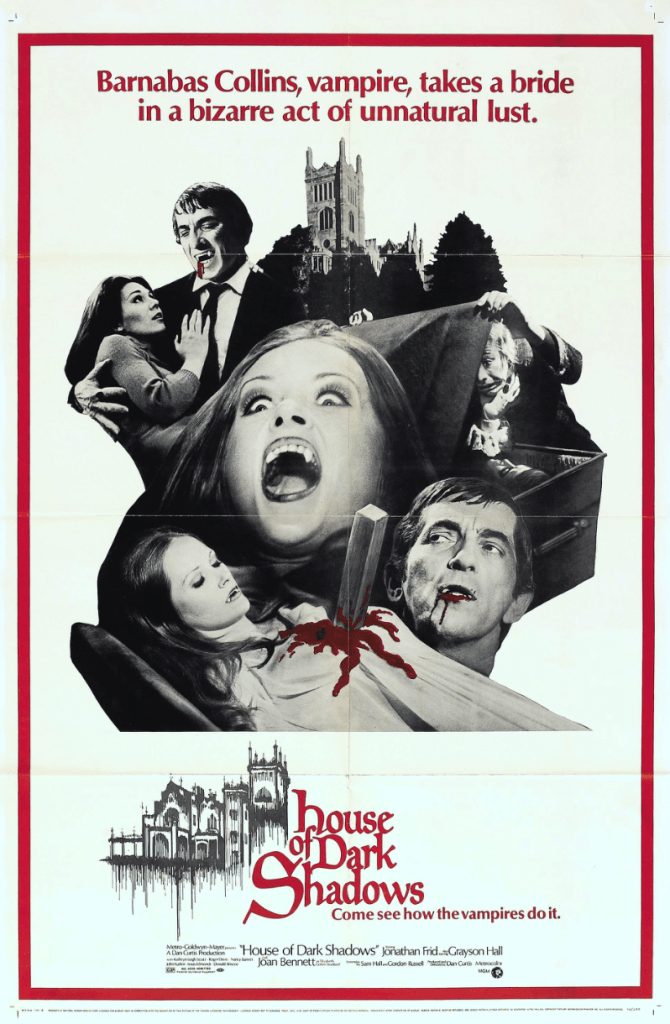
When I first watched House of Dark Shadows, I was not particularly taken with it. Having enjoyed the slow burn of Barnabas’ arrival in the series, the film seemed like an inelegant rush job. It is borderline incoherent for anyone new to the story. The other side of this is that it’s a bloody treat for those familiar with the show. From its opening sequences, the film is gloriously unhinged. The beautiful production design makes it look expensive enough, but the way it is made frequently comes across as if it was shot on the manic fly in 48hrs.
It is in fact the defined and chosen differences to the series, and going all in on copious amounts of blood, that make it a delight. We are given messy fun in which almost everyone dies. You don’t need to know the series, of course, you just need to go along with it. Each time I revisit the film, to me, it feels like an American attempt to make a version of a gonzo European horror of the time. A horny (despite almost no flesh on display), violent, and mean good time.
He Who Gets Slapped (1924, dir. Victor Sjöström)
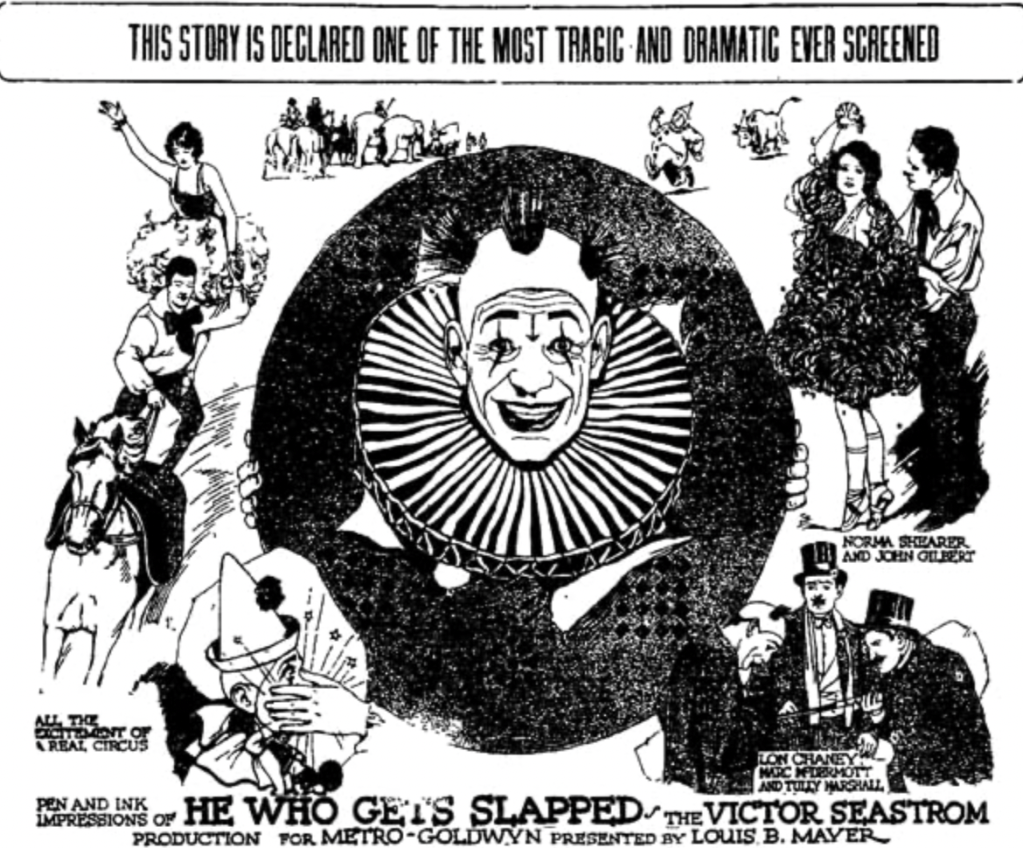
Taking the opportunity to fill in more of my Lon Chaney filmography, I was glad to go with He Who Gets Slapped. It’s the wilfully weird tale of a scientist betrayed by his benefactor and his wife finding a new home in a circus as a clown who gets slapped, until the unlikely opportunity for revenge presents itself.
An outstandingly good, expressive Chaney is at times heartbreaking and others unnerving as a man pushed beyond what he can take when the past won’t leave him be. Thematically very grim, it’s a curious mix of melancholy, fury and thwarted ambition and love, juxtaposing moments of hope and darkness until a disturbing, grotesque, ultimately sad final reel.
Books
Running the Light
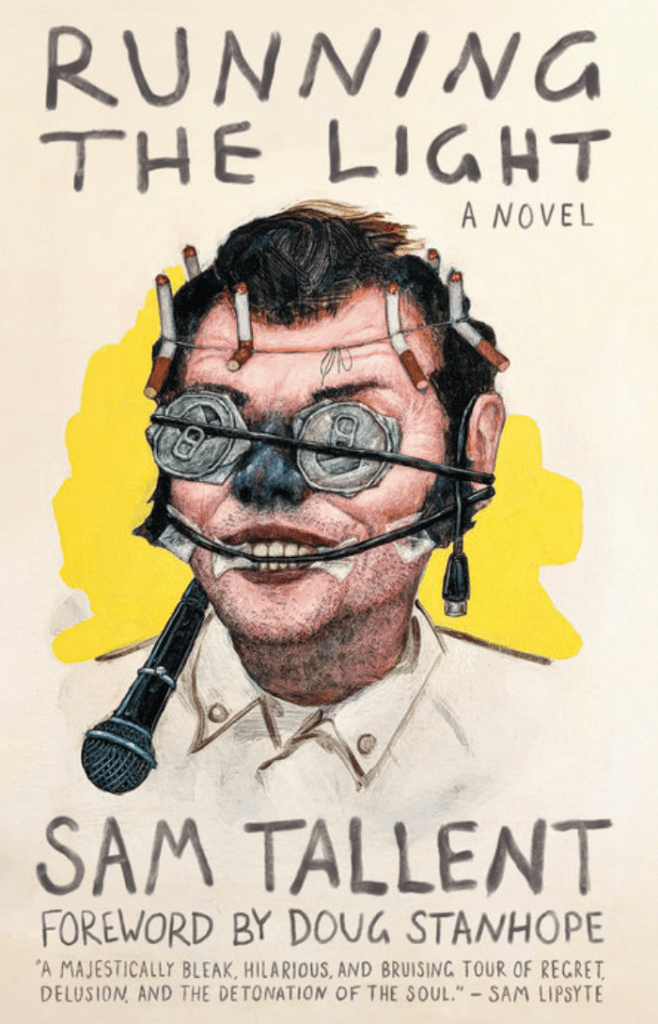
Comedian Sam Tallent’s debut novel tracks a week in the life of stand-up comic and barely living void of drugs, booze, fighting and fucking, Billy Ray Schafer. Schafer used to be somebody in the latter part of the 20th century, until his lying, cheating, ways burned up his marriage, his relationship with his children, and exhausted goodwill in his career. The book finds him criss-crossing America, playing shows after vomiting ducks or to cultish cowboys, his self-medication with alcohol and cocaine rapidly growing into a major problem.
At the same time, something is gnawing at Billy, pushing him to try and make things right with his now-grownup sons and the wife he betrayed. Tallent is great at a random line of poetry jumping out at you, the characterisations of the inhabitants of an unseen America only road features really get to experience vivid, and in painting an uncompromisingly uncomfortable portrait of a man doing his dammdest to bring about his own demise. Schafer is a bottomless pit of depravity that Tallent manages to make you care about.
It’s not perfect, and I wasn’t a big fan of its final page, but the journey to get there is full of so much happening, beautifully wrought by Tallent, that the journey is more than worth it.
Love in the Afternoon, and Evening
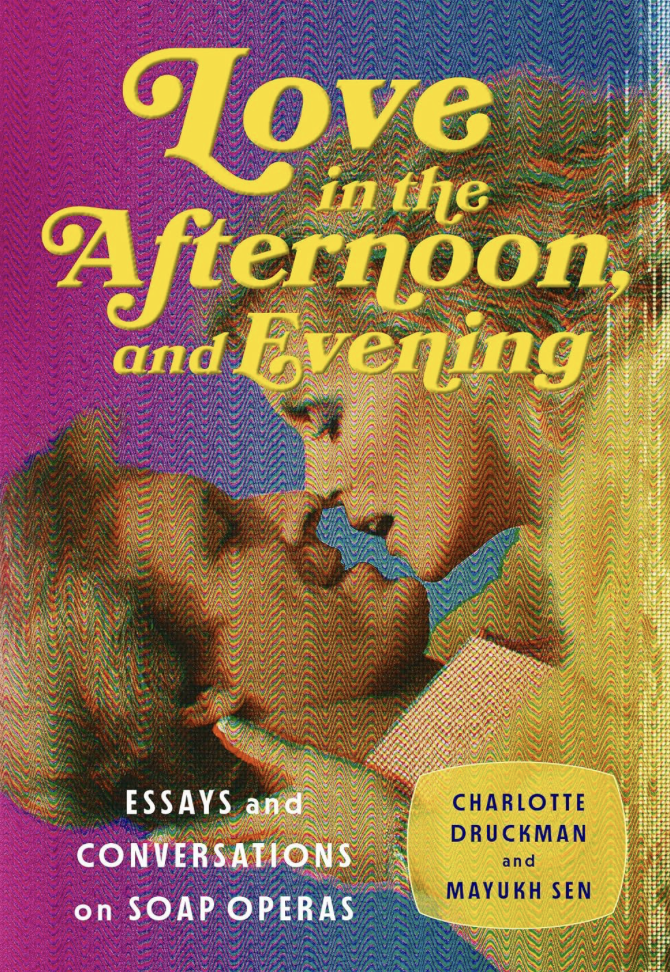
Charlotte Druckman and Mayukh Sen join forces for a personal, selective journey through what has made American soap opera so appealing to so many over the decades. Comprised of interviews, chapters on fashion in soaps and their designers, a little on the history of essential creators and writers like Irna Phillips and Agnes Nixon, there are also explorations of how soaps handle race, sexual violence, and other strong topics.
As the genre itself clings on through a few remaining titles, it’s also a good reminder of the depth and variety these shows have presented across radio and television. The series were and still are part of everyday life for people, and the book gives the genre a little of the respect it’s due.
Television
Television (usually old shows) are a consistent habit for me so going through everything would take far too long. Just a few titles to round us out.
The Twilight Zone
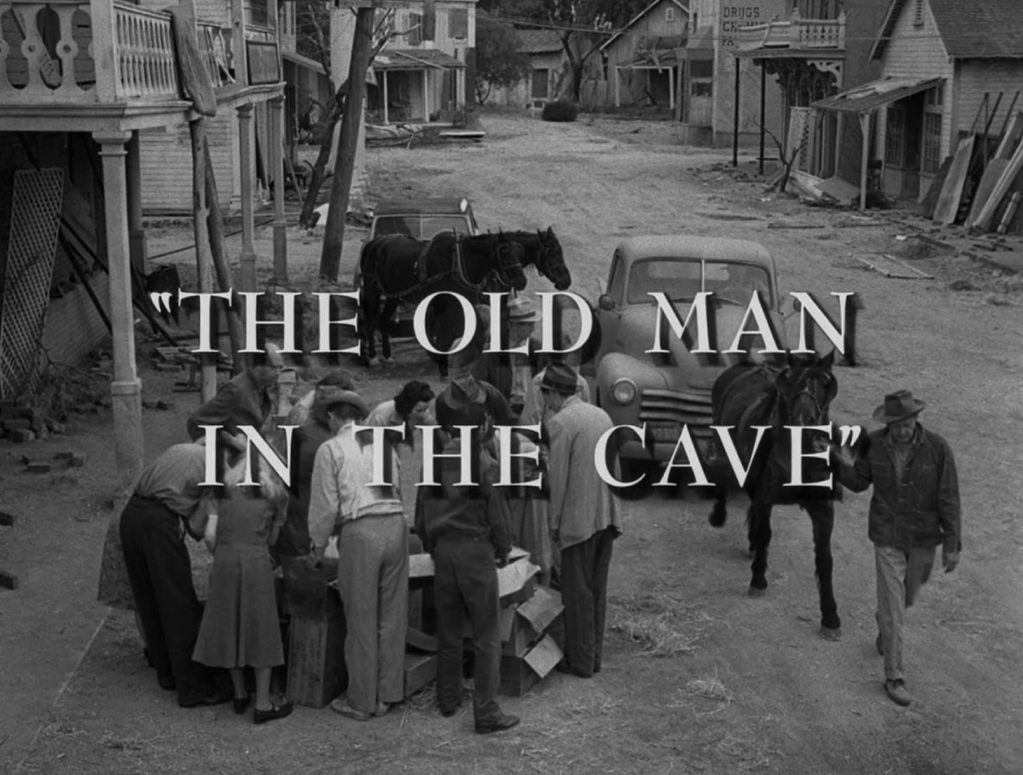
Up to season five of an epically slow run through of the series has brought me to The Old Man in the Cave and Uncle Simon. The first, an adaptation of a short story by Henry Slesar, brings Serling back to a recurring set of themes linked with nuclear war and our capacity for destroying ourselves. In it, an ‘old man’ in a cave keeps a small group of townspeople alive in the aftermath of nuclear bombs. Smartass, over-confident soldier James Coburn and his men show up and start to query just who this old man is and everything goes wrong. There’s something here about the safety of myths and not knowing the truth, and a great little show from Coburn as a real asshole.
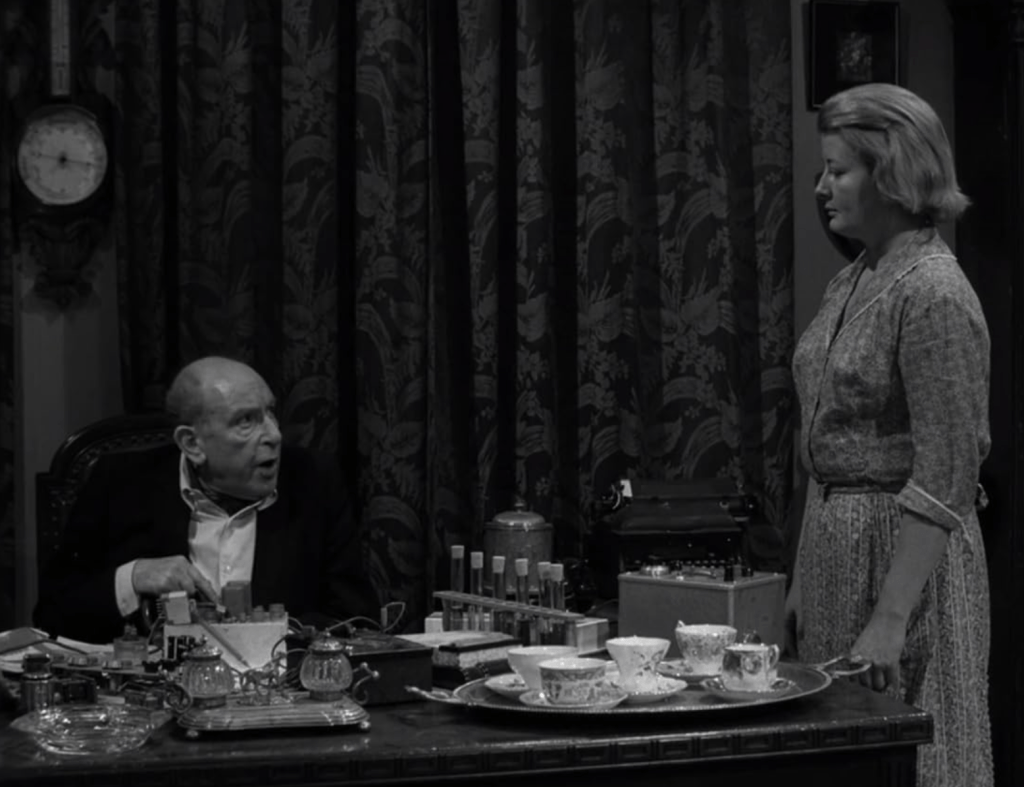
Uncle Simon meanwhile finds Constance Ford’s miserable Barbara suffering the abuse of her misogynistic, arrogant, hateful, and importantly wealthy uncle. She has been doing so for years, in the withering hope that when he is finally dead, she will be able to live. The episode takes some agreeably strange twists and turns, but the things to come for are Serling’s fantastically bitter dialogue for two thoroughly embittered characters and an exploration of just how much misery someone can inflict and someone else can take. This misery has become the real companion to both Barbara and her uncle, and neither wants to let go.
One Life to Live
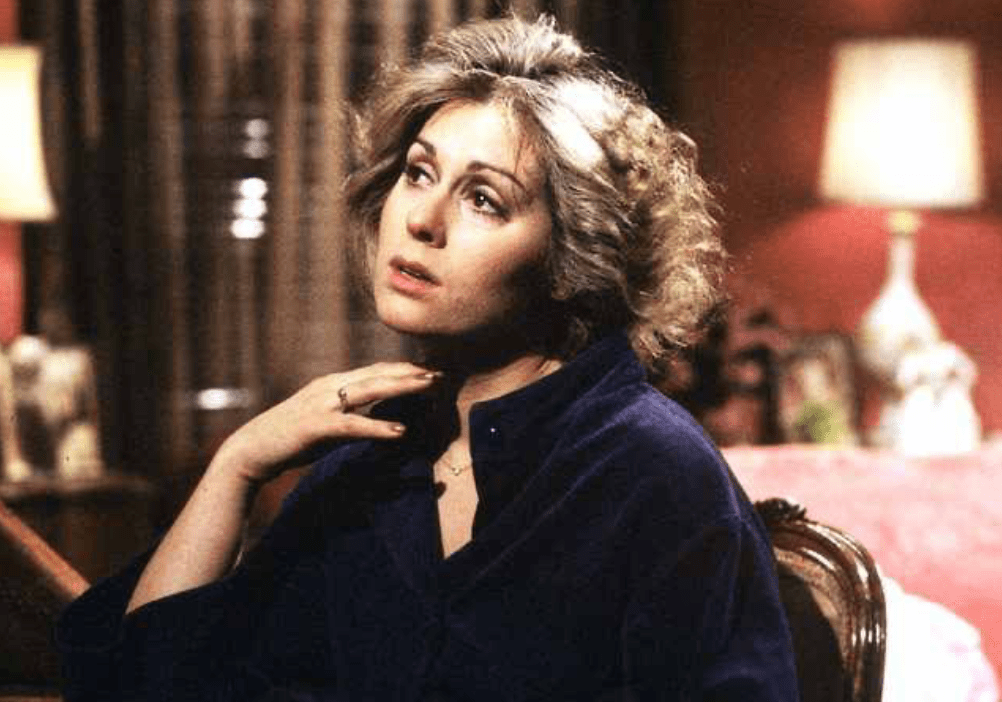
A particularly fine chapter from Sen in Love in the Afternoon, and Evening led me to seek out a somewhat notorious episode of One Life to Live from March 6th, 1979. In it, Karen Wolek (played by Judith Light) knew what she had to do to save her friend, Viki Lord. Viki was on trial for the murder of a pimp (well, actually one of Viki’s alternate personalities, Niki, was the presumed killer), and to exonerate her, Karen would have to get on the stand and tell the truth about herself. Karen would share her whereabouts on the day of the murder, with the prosecutor pushing her towards revealing everything. When she does, Karen tells a packed courtroom she has been working as a ‘common hooker’, torn between being compelled by her pimp, and enjoying the money and adventure her secret life provided.
This episode made it onto a ‘100 Most Memorable Moments on Television’ list for TV Guide and it’s clear to see why. British audiences are likely to be more familiar with Light for her starring role in sitcom Who’s the Boss? or for Ugly Betty than One Life to Live. It comes as quite a shock then, that the final ten minutes of this episode contain one of the most incredible pieces of dramatic acting. Light is extraordinary on that stand, her defiant collapse haunting and moving. You might think you need to be a One Life to Live fan, or soap fan, or know what is happening in other plots to get this. You really don’t. The only thing required is watching an actor at the pinnacle of what can be done. A remarkable, beautiful performance that is some of the finest ten minutes out there.
And that’s it. If you made it here, thanks for reading.