Tag: writing

  • Stuff I Have Been Enjoying: The Armchair Edition

    I don’t actually have an armchair, but never mind about that. In between being distracted by work, life, and so on, I usually keep a rolling programme of television going, but not of the live broadcast category. In fact, many of the creators, crew and stars of the programmes are very much dead. What, I hear you cry, has been on rotation? Let me keep you in suspense no longer.

    A Dan Curtis Production
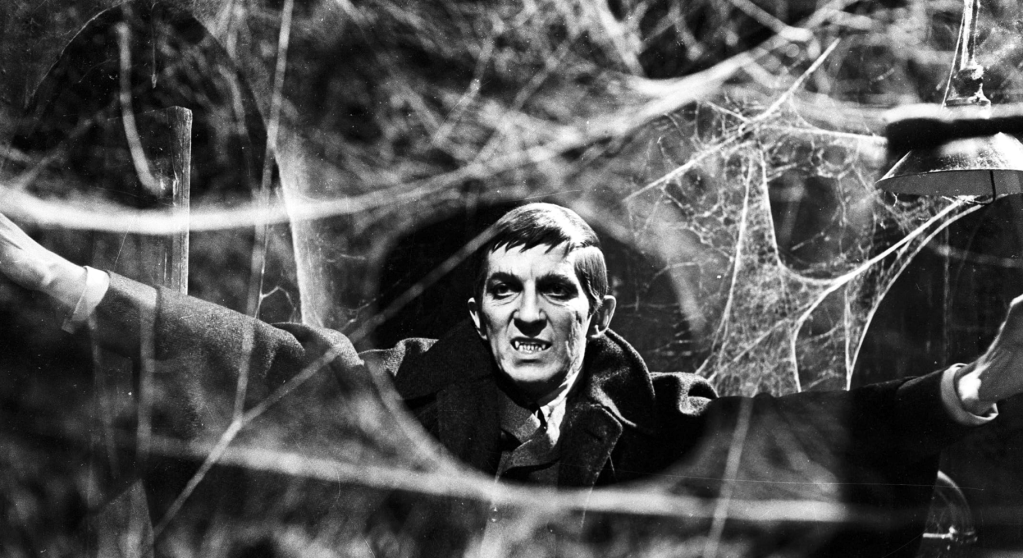
    Barnabas Collins and cobwebs in a Dark Shadows promo shot

    Pretty much always in play is Dark Shadows (1966-1971), the daytime Gothic drama that turned sixty this year. At the moment, I’m into the aftermath of Barnabas’ kidnap of Maggie Evans, with recent episode 265 finding Joe and Sam visiting her at the sanitarium. We’re introduced to Dr Julia Hoffman (“Doc-tor Hoff-man, Doc-tor Hoff-man”), played by the incredible, Oscar-nominated, Grayson Hall and her fearsome range of expressions. So begins a new chapter for the show, and one of maybe-possibly-definitely the strangest, most beguiling, wildest performances in television history. The episode itself is great, the series – still a daytime show, so still often people talking – on newly firm Gothic footing. A thousand-plus episodes is a huge commitment but if you haven’t yet enjoyed Dark Shadows, I do recommend it unreservedly.

    Tangentially Curtis
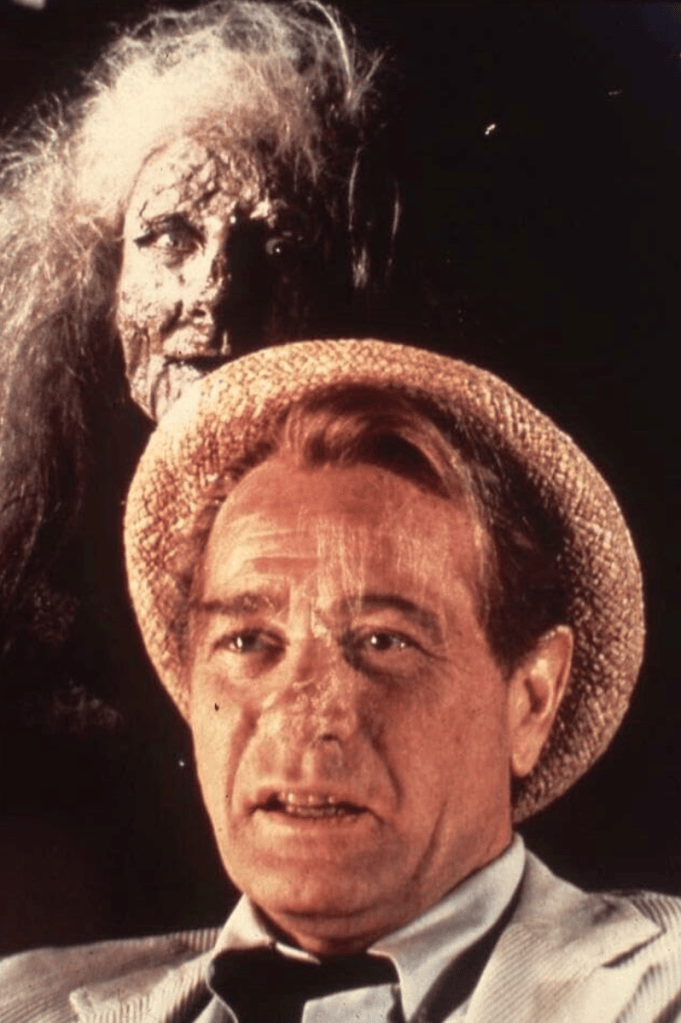
    Kolchak and grizzly chum

    I’ve written elsewhere about how Darren McGavin as Carl Kolchak is one of the great marriages of actor and character. Compared to his first two outings in the Curtis-produced television movies, the series that followed (Kolchak: The Night Stalker, 1974-1975) is a mess. Low budgets, late rewrites, McGavin’s fatigue and dissatisfaction, and a punishing schedule did it no favours. And yet, as we know from its influence on Chris Carter and it’s continuing popularity through books, graphic novels, recent-ish Blu-ray releases, and rumours of reboots, something worked about it, and it was not only McGavin. For me, the monster-of-the-week format doesn’t rely on the same old ‘classic’ threats, with imaginative creatures, the writing is – perhaps against the odds – reliably solid, and the feel of the show is consistent. ‘Demon in Lace’ (episode 16 of 20) finds a succubus possessing recently deceased women and feeding on college students. It’s fun, as is the series, and though by no means the best horror television you’ll see, a reliably good time.

    A Circular Hell
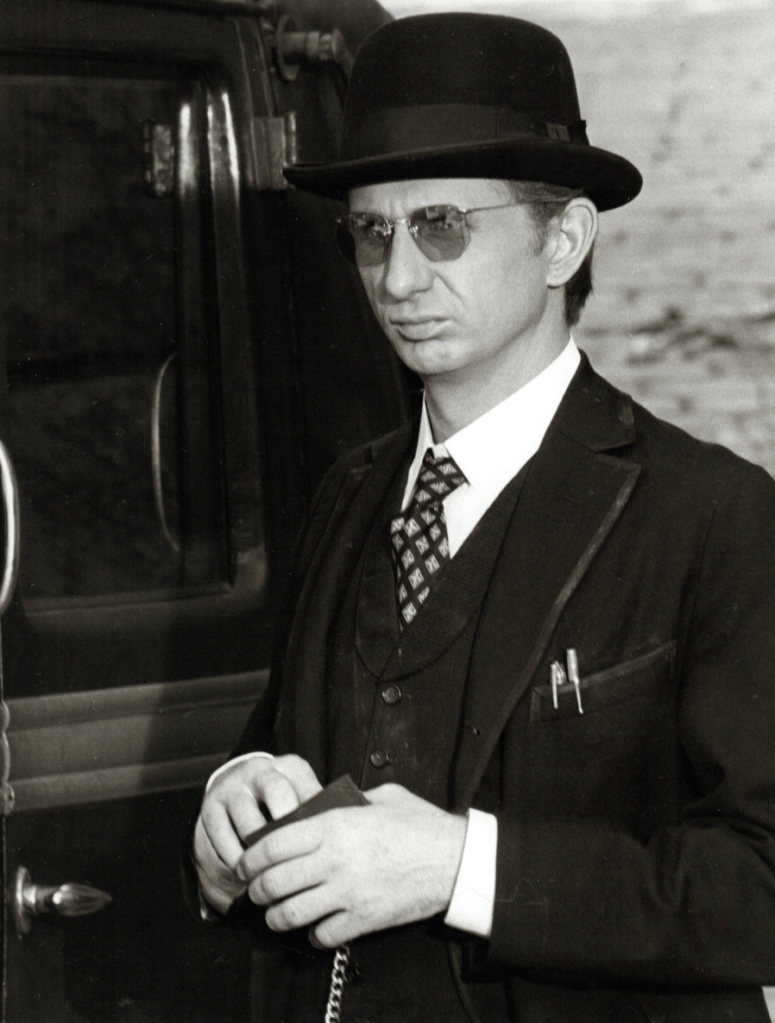
    Rene Auberjonois as Sharsted

    When speaking of erratically successful horror television plagued by production problems, Night Gallery (1970-1973) is never far away. But when this series is successful, it soars. This brings us to the Rod Serling-written and John Badham-directed adaptation of Basil Copper’s short story ‘Camera Obscura’, from season two. It tells of a moneylender, Sharsted, played superbly well by Rene Auberjonois, lured to the home of a ‘client’, Mr Gingold, played with a strange menace by Ross Martin. Gingold is furious that Sharsted’s unrelenting business has driven a friend of his to an early grave. He also has a camera he’d like to show Sharsted, a very special camera, that can see the past, and can see into other hidden places. Auberjonois’ repeated, sneering use of “Mr Gingold!” reminds of the pilot film and Roddy McDowall’s “Portifoy!” and its low budget works as an advantage, the chilly, half-empty final sequence a remarkable, unsettling exploration of a very personal hell.

    One More Step Into The Beyond, Dear Friends
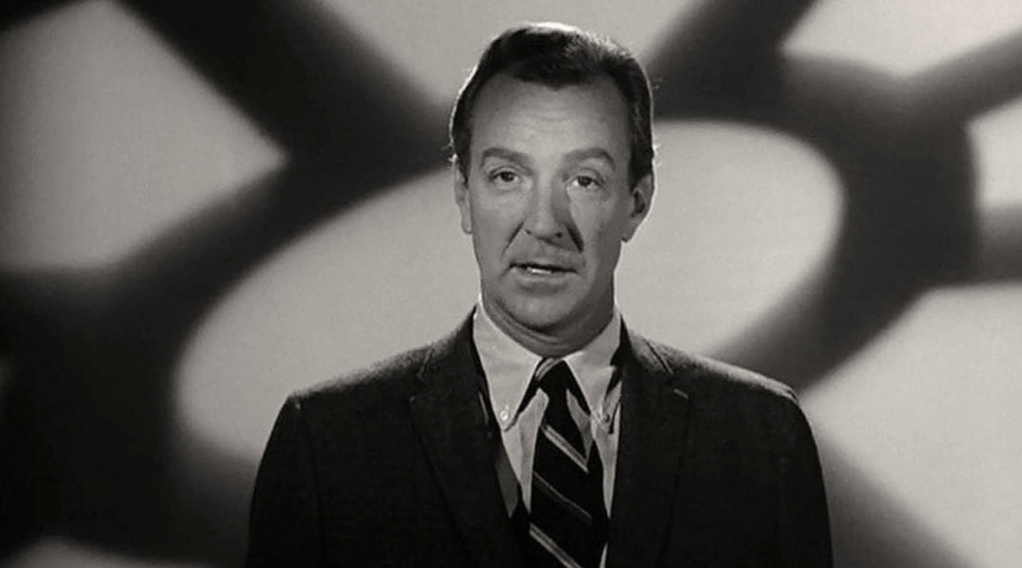
    John Newland introducing One Step Beyond

    By most of the way through season two, my beloved John Newland’s One Step Beyond (1959-1961) answers the question of just how many times can there be an episode where a psychic connection may reveal or prevent a murder. That answer is never enough, and episode 35, ‘Contact’, finds the gift of a pocket watch tormenting a mild-mannered, loving husband with misogynistic thoughts of murdering his wife. Only, it’s not his wife, nor are they his thoughts. Can he figure out who the watch originally belonged to in time to stop the crime happening? It’s a familiar theme and story for the show, but as always, Newland’s steady hand creatively, as director, and as presenter means this was a good episode. As for mixing things up, in the third season, a late run of episodes produced at MGM Studios in Borehamwood brings us the likes of Roger Delgado, André Morell, and Christopher Lee as guest stars (that’s after the Charles Bronson episode).

    Seeing Seeing Things
    A screen grab of a shitty Seeing Things ‘poster’ because there’s almost nothing proper out there

    I’ve also enjoyed the start of Seeing Things (1981-1987), a comedy-thriller series with a supernatural twist from Canada in which grumpy and pushy but not without charm news reporter Louis (played by co-creator Louis Del Grande) starts receiving visions of crimes, often at odds with what the police or courts say are the facts of a case. Being a bit of an asshole but also, importantly, a good journalist, Louis is compelled to uncover the truth and reveal the real guilty party. Louis has some crossover with Kolchak, in that neither spends much time questioning the why or wherefore of their supernatural experiences, instead doggedly chasing the truth even when it puts them in danger. It’s so far a fun, entertaining series with some good writing, believable characters and solid storytelling.

    Law & Order: Oh Boy That’s Bleak
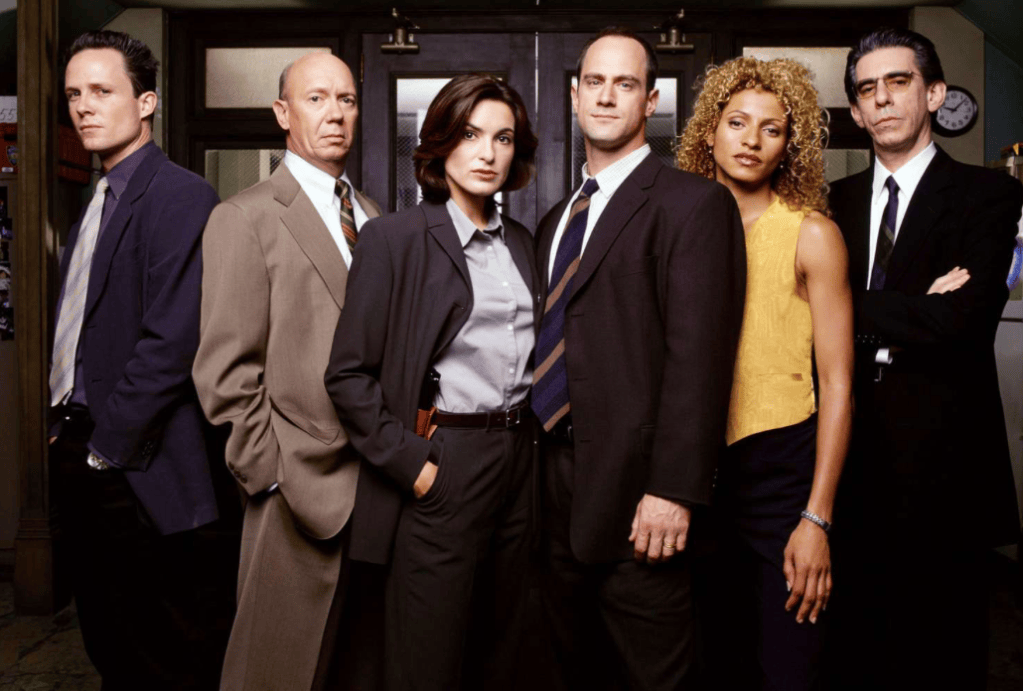
    The season one cast of Law & Order: Special Victims Unit looking chipper and upbeat

    I’ve been revisiting the first season of Law & Order: Special Victims Unit (1999-present, shortened to SVU) alongside the current season, because apparently, I want to be confronted with deeply unpleasant cases and a team of detectives most often found circling the drain of unrecoverable moral injury. Now, the original ripped-from-the-headlines Law & Order was never anyone’s idea of a good time, despite being compelling. Given SVU is still a current series, into its 27th season at the time of writing, and approaching 600 episodes, you would be forgiven for thinking perhaps it has settled into a comfortable rut. However, it started out miserable and confrontational and continues in that fashion today. The largest difference is that Mariska Hargitay and the various production teams have over the years ensured it is grounded in some of the theories and support that guide the real life work of police doing this job. Season one, meanwhile, was scrappier, and more blunt in its treatment of the cases and the detectives investigating the crimes. Both versions are compelling and often gripping, and also interesting simply because how many times do we get to compare a series, and a central character and performance, separated by more than a quarter of a century.

    Farscaping, Across the Universe
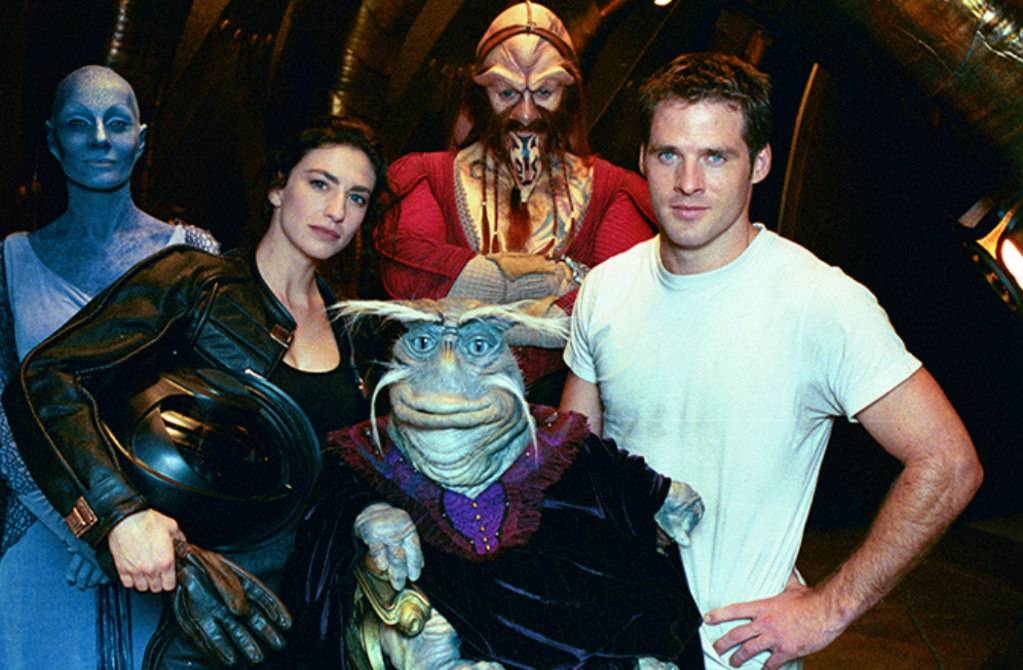
    The season one Farscape cast looking miserable…oh no wait, they’re chipper and upbeat.

    Magnitudes more actual fun has been a revisit to the first season of Farscape (1999-2004). Plots-wise, it’s the usual television science-fiction stuff, hopping from planet to planet via stories that had been broadly seen before on the likes of various iterations of Star Trek. Set-up and character-wise, however, it is very different. An American-Australian co-production, it follows a US astronaut who, after travelling through a wormhole, finds himself impossibly far away from home. He finds himself on a living ship, on the run from a fascist-vibes space army and vengeful captain, home to other escaped prisoners, forming an accidental and untrusting crew. Also involved with the production is Brian Henson and The Jim Henson Company, so unlike other shows that put a ridged nose and swipe of blue paint on an actor’s face and call them an ‘alien’, Farscape is full of imaginative muppet-adjacent creatures, not least Rygel, one of the central characters, who becomes as real as anyone else. As the show progresses, its sense of anarchy, both in humour and drama, takes it to some very dark places. In its early days however, it’s an agreeably weird, offbeat science-fiction series that tries something different.

    But Wait, Don’t You Watch ANYTHING Made This Century?

    Yes, I do, on occasion. We’ll quickly step over Widow’s Bay (2026-present), a series I was pleased to observe many people fall in love with. I, however, did not, finding it worked well as a comedy but very much did not as a horror. Still, I am glad to hear it will be coming back, so maybe next time, I will also become smitten. A horror series with hefty doses of black comedy that does work for me that I am nearly through with is Evil (2019-2024), which – similarly to Farscape – becomes more throughly unhinged with each new season. Series I have Quite Enjoyed include Best Medicine (2026-present, the US adaptation of Doc Martin) and CIA (2026-present, generic FBI spin-off from the Dick Wolf stable of ‘what if we used different letters for the title but broadly made the same show over and over again’). And after a third season that often circled being A Bit Shit, the fourth go round for Reacher (2022-present) has rediscovered everything that made the series good, and keeps giving Alan Ritchson lots of things to hit and get hit by.

    Like a good sitcom, or a lovingly made soap opera, one of television – and life’s – joys is a good procedural/detective show done well. There’s a reason these types of series get commissioned again and again. They may not be the most creative or satisfying meal you ever have, but they are reliably satiating.
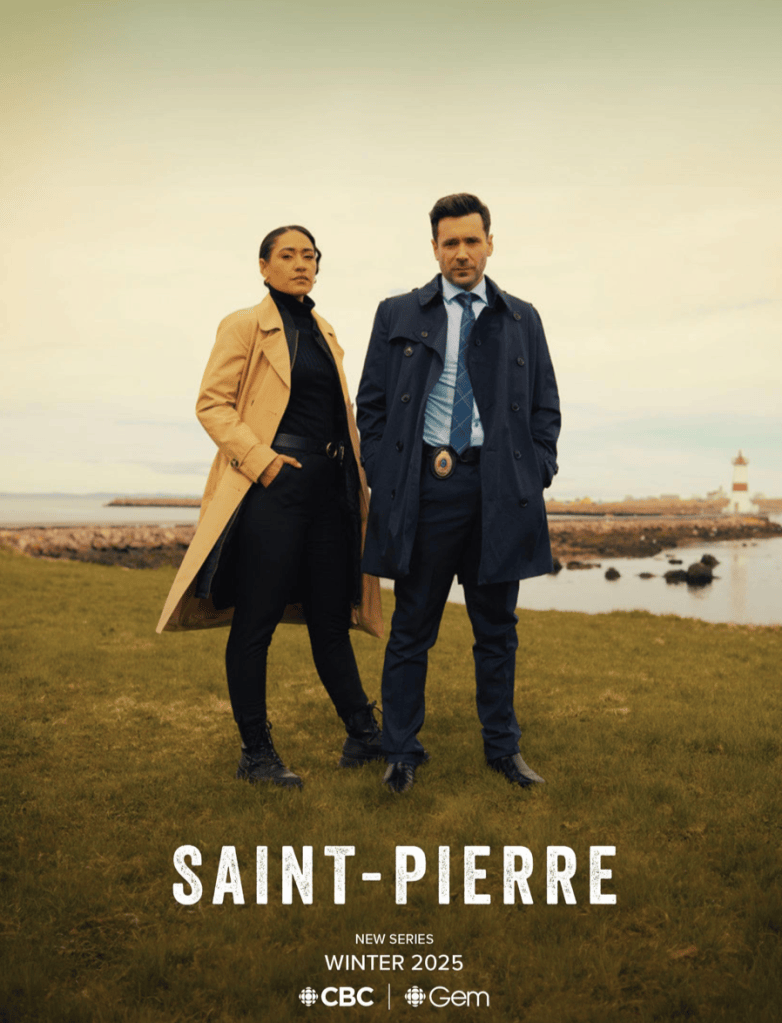
    Promo image for Saint-Pierre

    One such series is Saint-Pierre (2025-present), a Canadian detective drama about a big-city police officer, Fitz, (Allan Hawco, a kind of modern Paul Gross, a one-person Canadian creative cottage industry) banished for indiscretion to the titular French collectivity of Saint-Pierre and Miquelon. There’s no quiet licking of wounds however, as with new partner Arch he is soon dealing with a number of crimes, ranging from murder to James Purefoy’s mind-boggling Irish ‘accent’ as series one villain Sean Gallagher. It’s a beautiful part of the world, so the series dresses itself, and ticks along as an unambitious but entertaining diversion.
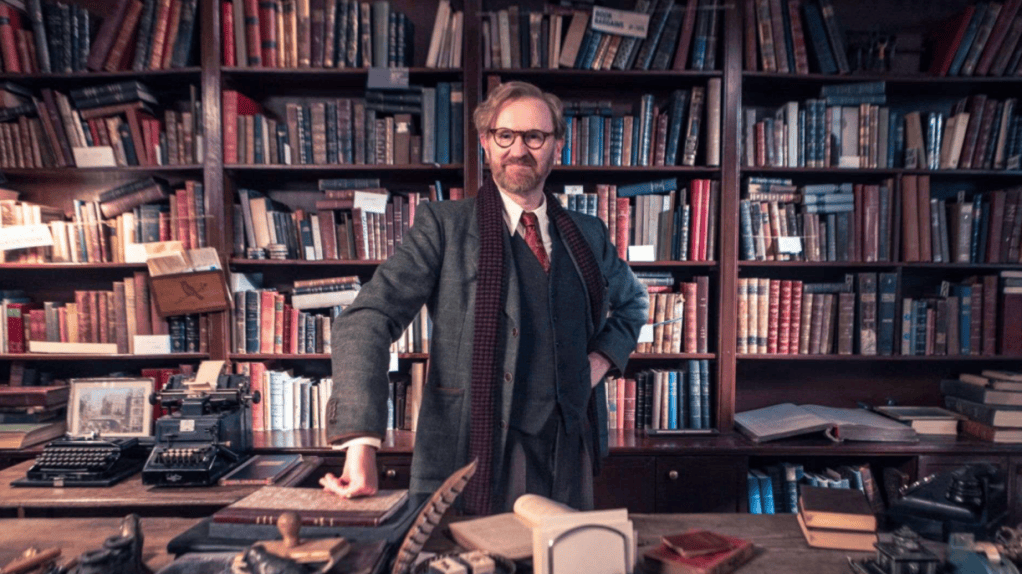
    Mark Gatiss as Mr Book in his book store surrounded by books, because Bookish, get it?

    Recent weeks witnessed the return of Mark Gatiss and Matthew Sweet’s Bookish (2025-present). I wasn’t the biggest fan of its first season. An old friend once described their frustration with something that ‘went around the houses to cross the street’ and that was my feeling on its opening season, which had its charms but also lingered too long in its missteps. While its second season still gives way too often to some of the worst instincts of Gatiss, et al (but fortunately never as much as his instalments of A Ghost Story for Christmas) this run of episodes has tighter writing, a solid, settled and appealing central group of characters, and enough intrigue in each case and its continuing plot lines to qualify as a big step forward. While it might appear ‘cosy crime’ at first, it also has a flinty, brave edge to characters and stories that is well done. And it’s got Polly Walker in a lead role, which is always a good thing. I’m glad it came back stronger, and that there will be a Christmas special and third season to follow.

    There’s other shows that I haven’t even mentioned in the rotation, from The Andy Griffith Show and The Dick Van Dyke Show to Upstairs, Downstairs, to Take the High Road being added episode by episode to YouTube (!!), but we can save them for another time.
  • Springtime for Coffins and Comedy: Things I Have Been Enjoying Recently

    There’s a theory around comedy and why we seek out funny things and find things funny being about the evolutionary need for play. Broadly, to enter into a state of being that puts you in a position to experience laughter, to play, to feel. The boundary between comedy and horror is a thin one, both taking our need for visceral experience, physicality, mental stimulation and the requirement for a release and responding to it. Horror and comedy are frequent dance partners. Horror is also about making us feel. And so, dear reader, here is a little rundown of some highlights of what has been making me emotional across both comedy and horror film in the first few months of this year.

    The Penalty (1920, dir. Wallace Worsley)

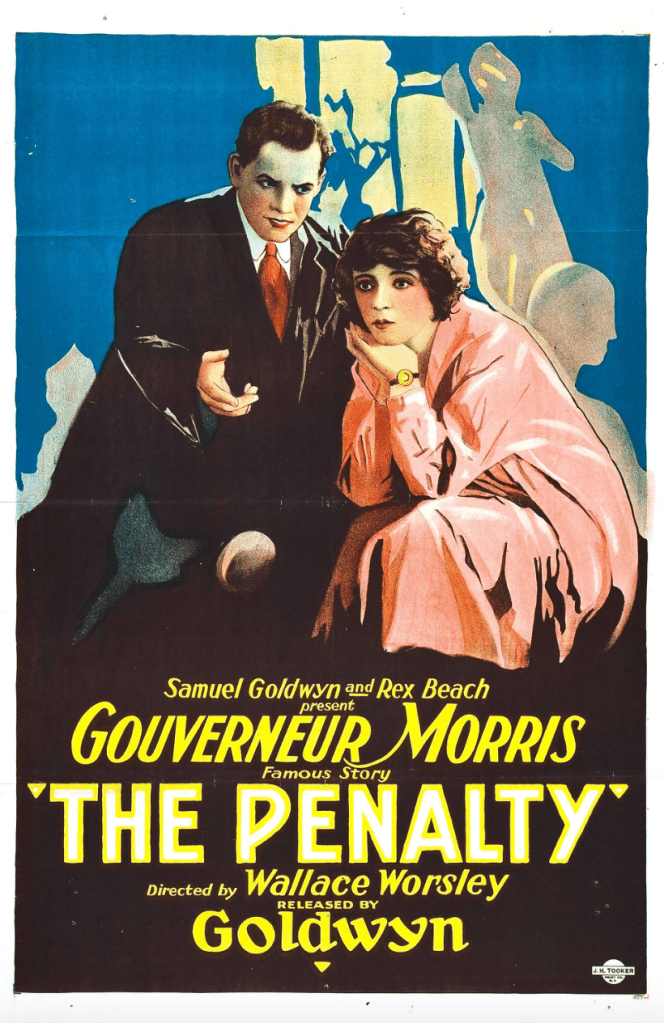
    Poster for The Penalty

    Based on a Gouverneur Morris novel, The Penalty joins 1919’s Behind the Door and 1921’s The Ace of Hearts as a trilogy of ‘hoo-boy’ Morris-inspired films that are wild in concept and execution in different ways. Behind the Door is, in its final quarter, firmly in exploitation film territory (it is still compelling and enjoyable, but undeniably unpleasant). The Ace of Hearts is perhaps most conventional, but still has as its premise a vigilante group who meet up to vote on who’ll get to murder the next rich piece of shit they’ve decided is too big a piece of shit to live.

    The Penalty meanwhile stars everyone’s favourite early cinematic purveyor of the criminally mad and the damaged, Lon Chaney, as mob boss Blizzard, who as a young boy had his legs hastily amputated following an accident. The adult Blizzard is a proper danger, harbouring two main obsessions: loot the city of San Francisco and get revenge on the doctor he believes mutilated him. The second involves him posing for said doctor’s daughter, an artist, as she uses him to create a bust of Satan. Things get even more wild from here in.

    Notorious for the lengths Chaney went to in order to convince as Blizzard (which included folding his legs into painful leather braces to create the look), it’s also intense, and shamelessly over the top, with some shocking bursts of violence and striking imagery. Lon anchors it all, taking things very seriously and giving it his all as one would expect. The rest of the cast are game too, it is frequently gorgeous, as well as transgressive and unsettling. A startling mix of crime film and horror influences.

    Sunset Boulevard (1950, dir. Billy Wilder)

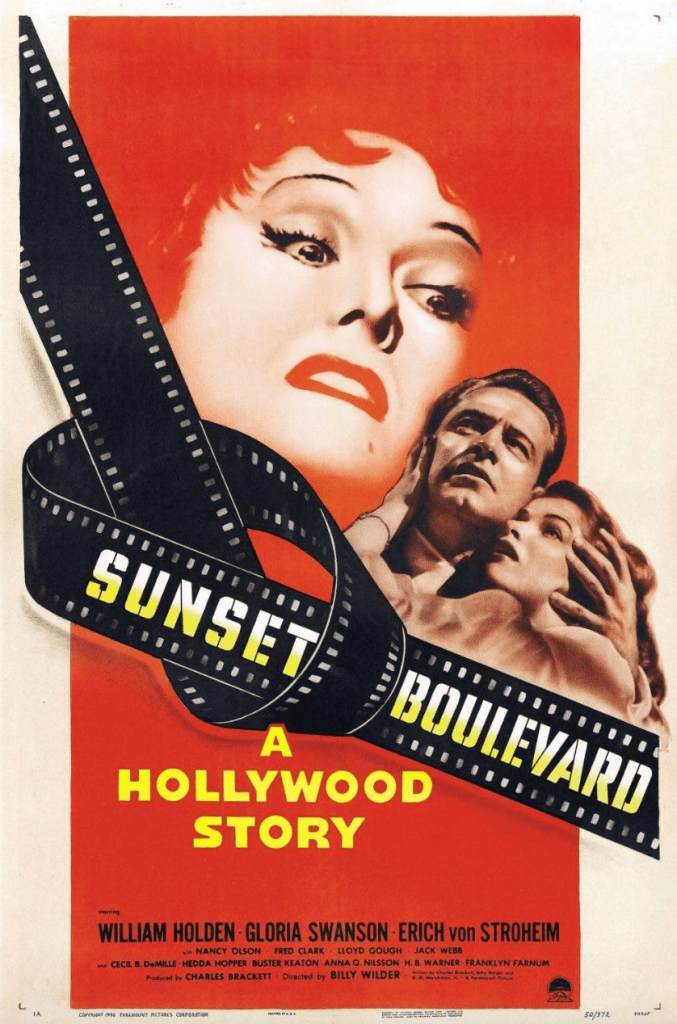
    Poster for Sunset Boulevard

    Opening with a great hook (narrated by a corpse!) that draws you in, Sunset Boulevard is one of the great vampire films. But wait, you say, Gloria Swanson’s Norma Desmond isn’t a vampire. Perhaps not technically, but in some core ways (slowly taking the life from William Holden’s Gillis, haunting a decrepit mansion like a creature of the night that doesn’t understand she’s already dead) she absolutely is.

    Gillis, a screenwriter on the skids, crosses paths with the forgotten silent film star Desmond trying to hide from his debtors. Slowly absorbed into her pitiful dreams of resurrecting her career and stardom, when he tries to escape her grasping hands of cobwebbed living death, it’s all too late. As the film starts we know what becomes of him, but the how and the why are the gifts it reveals to us in getting there. It’s no simple journey either, eschewing easy villains and delighting in sophisticated character twists.

    Lovingly crafted and written, shot and directed about as well as you possibly hope for, this is one of the finest films about films and the weird people who make them and love them.

    One Week (1920, dirs. Buster Keaton and Edward F. Cline)

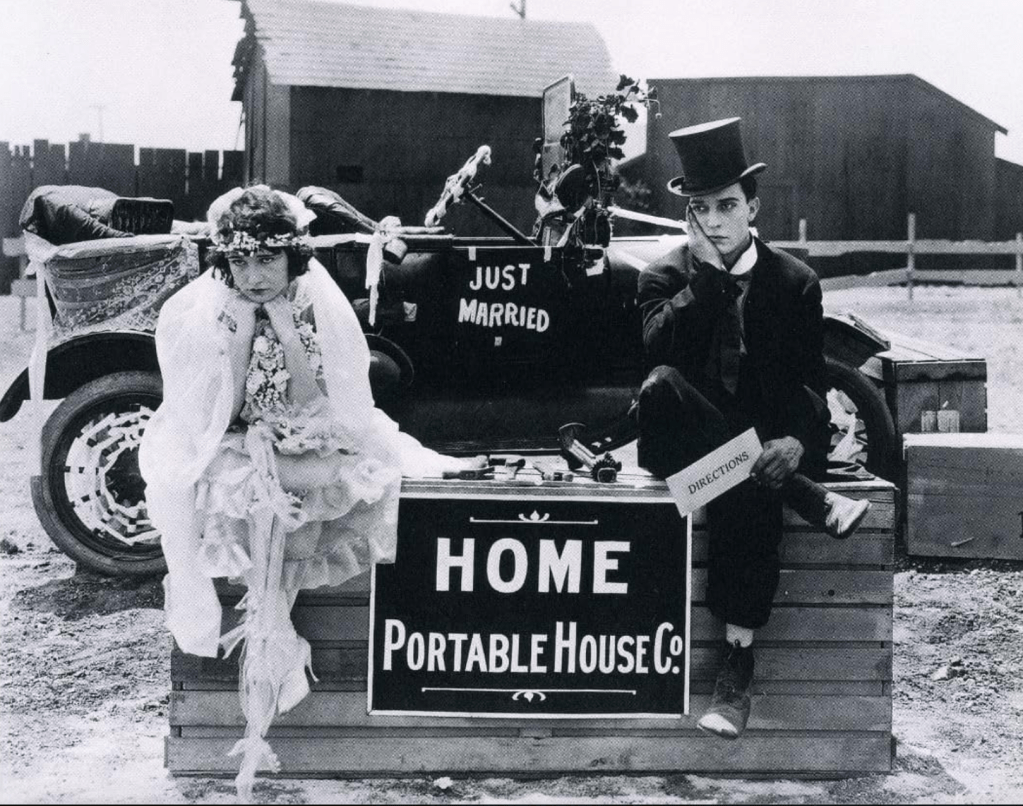
    Sybil Seely and Buster Keaton as the the newlyweds in One Week

    Buster Keaton’s first-released independent film (though not first made), One Week tells of a newlywed couple gifted a kit house as a present. Calamity ensues when a jilted suitor messes with the construction order and Buster and his wife have to contend with a house that doesn’t make sense. As the titular week progresses, they try and live in and finish their new home, before nature – and life – makes that impossible and as much a circular nightmare as something like The Beyond (1981).

    A contemporary review of the film described it perfectly as “…two reels in length and every foot of the two reels is packed with comedy situations and ‘gags’ that would start cackles at an undertaker’s convention”. An extraordinary flowering of a unique and brilliant talent, it’s a film that is funny, thrilling and stuffed with events, stunts and gags that remain as potently entertaining now as they did over a hundred years ago.

    Cat People (1942, dir. Jacques Tourneur)

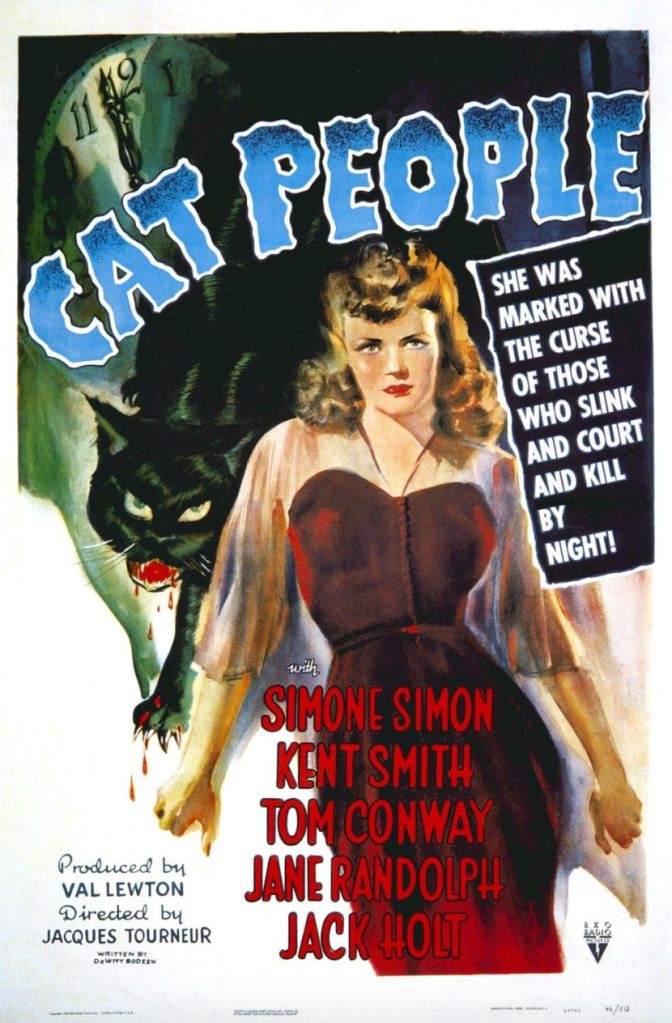
    Poster for Cat People

    John Carpenter famously thinks Cat People sucks because it should show the monster (it never explicitly does). But the monster in this isn’t the big panther Irena Dubrovna thinks she turns into when aroused. It’s repression and longing and self-flagellation and trying to live in a world that tells you there is something deeply wrong – immoral, dirty, ungodly – with who you are. We could read too much into the script being written by a gay man, DeWitt Bodeen, but it’s all – whatever Carpenter says – up there on the screen.

    Tourneur and cinematographer Nicholas Musuraca make a virtue of the film’s B-movie budget, using shadow and sound to create a feeling of unease, which extends to the character of Irena and how much of this is her torturing herself and how much might be, could be real. Editor Mark Robson builds on this with utilising the jump scare later known as The Lewton Bus. Inventive, involving and compelling, Cat People doesn’t offer easy answers or reassurance (sure, just be yourself, but it’ll probably turn out badly!) but does deliver intellectually gripping horror that moves and bewitches.

    Way Out West (1937, dir. James W. Horne)

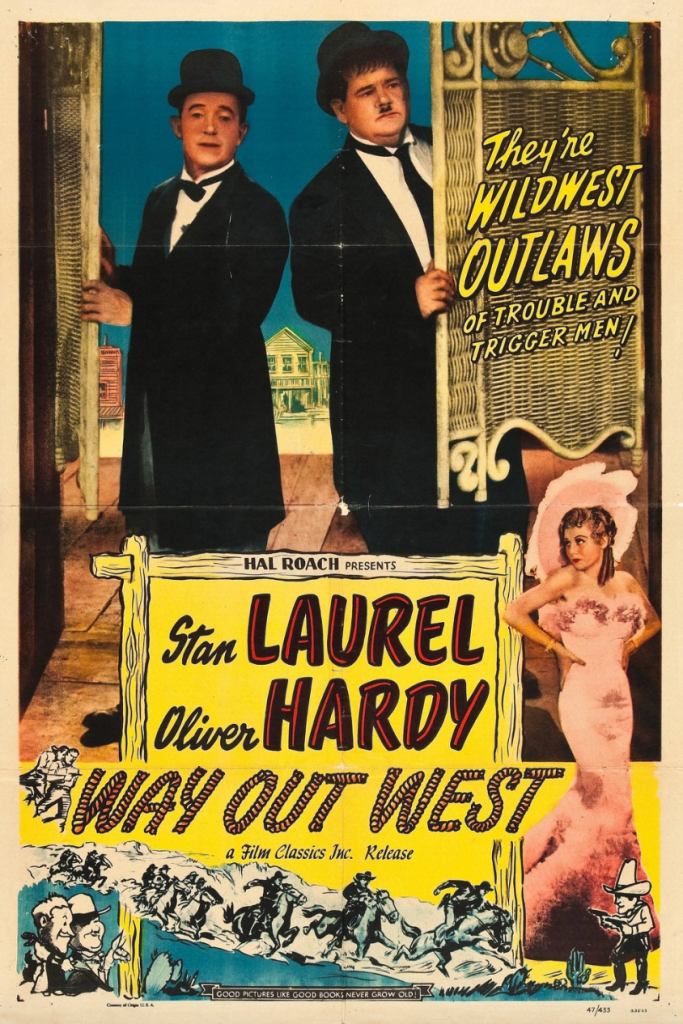
    Poster for Way Out West

    In Way Out West, Laurel and Hardy are on an errand to deliver to Mary Roberts news she has inherited a gold mine. It brings them to Brushwood Gulch, a town out west, via journey that delivers mishaps and laughs. When they get to the town, the deed ends up in the hands of the wicked Finns, and the duo decide they must make things right for Mary.

    This is the skeleton to hang the comedy on, much of it made of gags and routines the boys had done before. It doesn’t matter here, of course, because not only are they effortlessly charming, they’re ably supported by their much-loved foil James Finlayson amongst others, and everything comes together for one of their most enjoyable full-length films. The best bit, and one of the sweetest, loveliest sequences in any of their films, is their joyful, entirely earnest soft-shoe shuffle outside of the saloon. Like the film itself, it’s leisurely and lovingly done.

    Captain Kronos: Vampire Hunter (1973, dir. Brian Clemens)

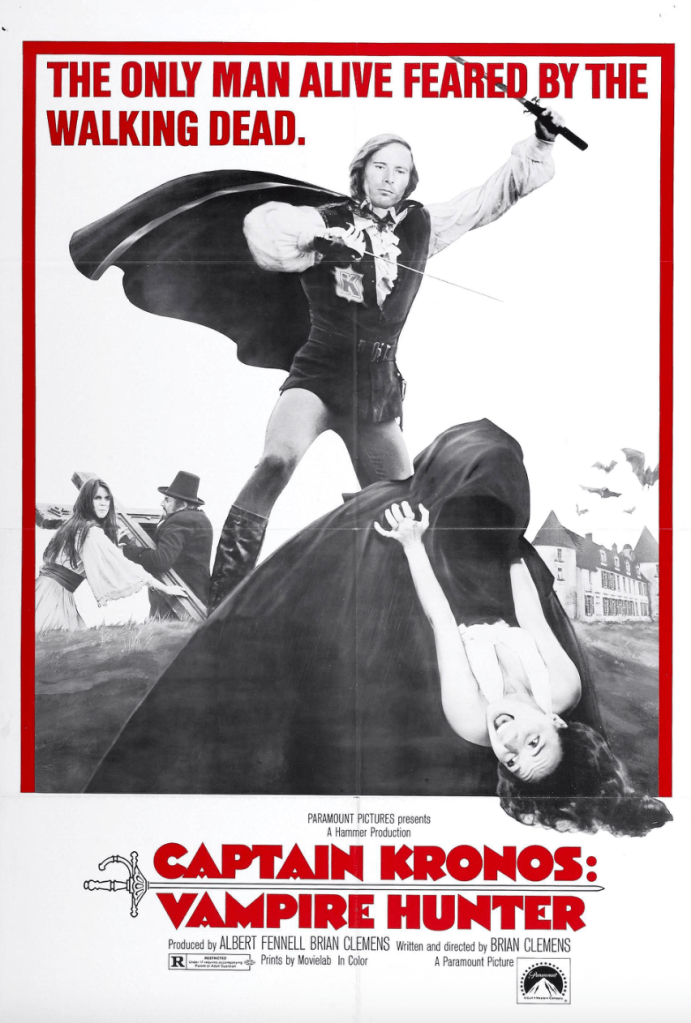
    Poster for Captain Kronos: Vampire Hunter

    Prolific television writer Brian Clemens (who wrote for, or created, or guided The Avengers, Thriller, The Professionals and many more) only directed a single film, but what a fucking outstanding movie it is, and one I enjoy more every time I revisit it. A late-period Hammer vampire film, this drops the tits and gore of the Karnstein trilogy and the lurid excesses of (the shamelessly enjoyable) Scars of Dracula (1970) for something more altogether more interesting.

    Impossibly hot, charismatic central couple Horst Janson and Caroline Munro lead a great cast including a heartbreaking John Carson. It’s brilliantly, thrillingly weird, stuffed full of beautiful frames, black humour, action and invention.

    A wilfully bizarre mix of swashbuckler, horror and adventure that’s beautifully designed, playfully restrained and kinky, unexpectedly moving, and with a thoroughly dark hearted centre, it’s a late flourish and unexpected tease that showed there was still blood in the studio’s creative veins.

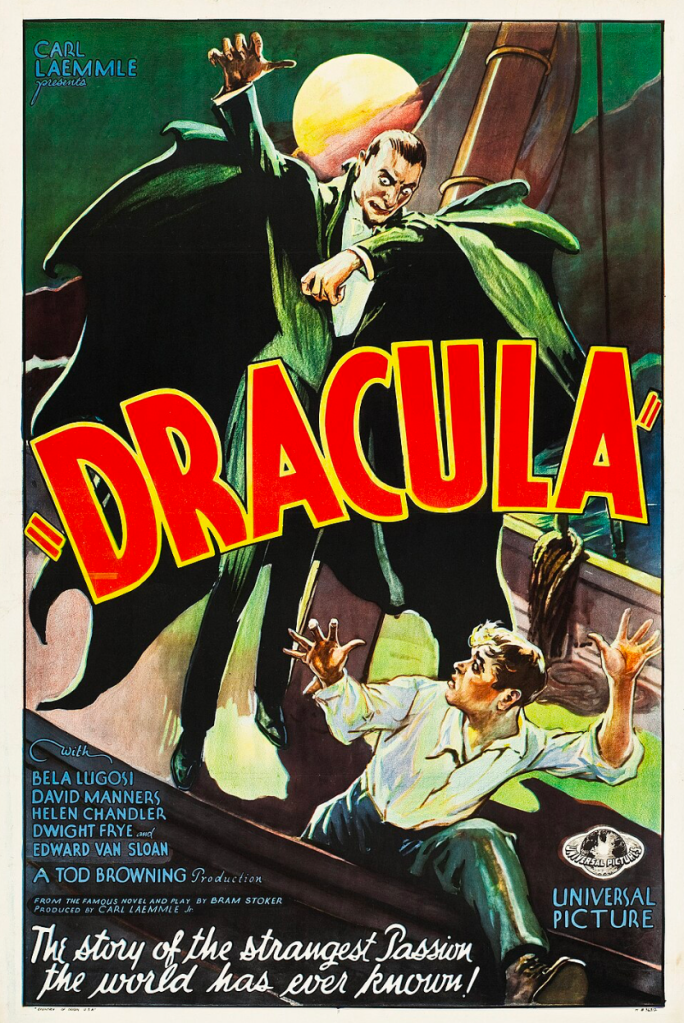
    Dracula (1931, dir. Tod Browning)

    Poster for Dracula

    Much of the writing around Dracula (and holy shit there’s a lot) repeats the same old stuff. Yes, yes, it’s more of a drawing room thriller than a full adaptation of Stoker’s novel. Yes, yes, yes there was a Spanish version shot on the same sets at night.

    And yes, some people find this understandably creaky and halting, but I regularly revisit it because it is so much more than the cliches written about it. Bela Lugosi gives a phenomenally odd and compelling performance here, and not due to language barriers, but because he was – with the right material and space to work – an outstandingly good actor. His Count is sex and death and mourning and genuinely unknowable in a way no other vampire king has been allowed to be since.

    There’s also fascinating, beautiful performances from a manic Dwight Frye and a nicely pitched Edward Van Sloan. On my revisit this time, however, I was enthralled by the tragic Helen Chandler’s fragile, knife-edge Mina.

    For such a convoluted journey to the screen, we’re gifted with an incredible, splendid corpse of a film. It’s inarguably Browning not firing at his best BUT, it’s also thoroughly weird – yes, even the drawing room drama – a crepuscular journey through a dream of dying that holds beautiful imagery.

    Dracula is repressed sexuality, lust and the omnipresent spectre of death writ large as a fantasy horror film that rewards these return visits.

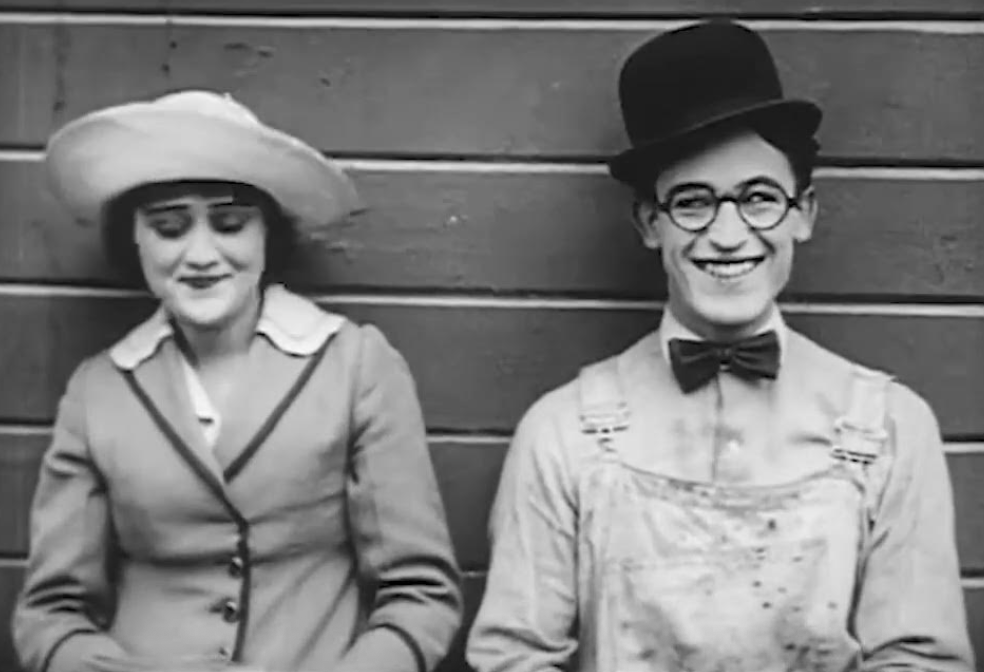
    Hey There! (1918, dir. Alfred J. Goulding)

    Bebe Daniels and Harold Lloyd in Hey There!

    Hey There! is a lot of fun. An early Harold-Lloyd-in-glasses short has the randy would-be shagger blagging his way into a film studio to return a dropped letter to Bebe Daniels, but not just the letter. A short film with so many good gags, great timing, and a solid company of actors, including Snub Pollard dressed in an enjoyable piss-take of the familiar director’s outfit. It’s a joy to see Lloyd start to step outside of Chaplin imitation into something more in line with where he would take his career in the next decade.

    That’s it for now, and so a closing reminder – finding joy in troubling times is an act of rebellion. Go enjoy some films.

    And should you want to, you can find more film guff from me here on Letterboxd.

  • A Wondrous Magic to Christmas

    Finding redemption with the festive spirit (and Rod Serling and Peter Cushing)

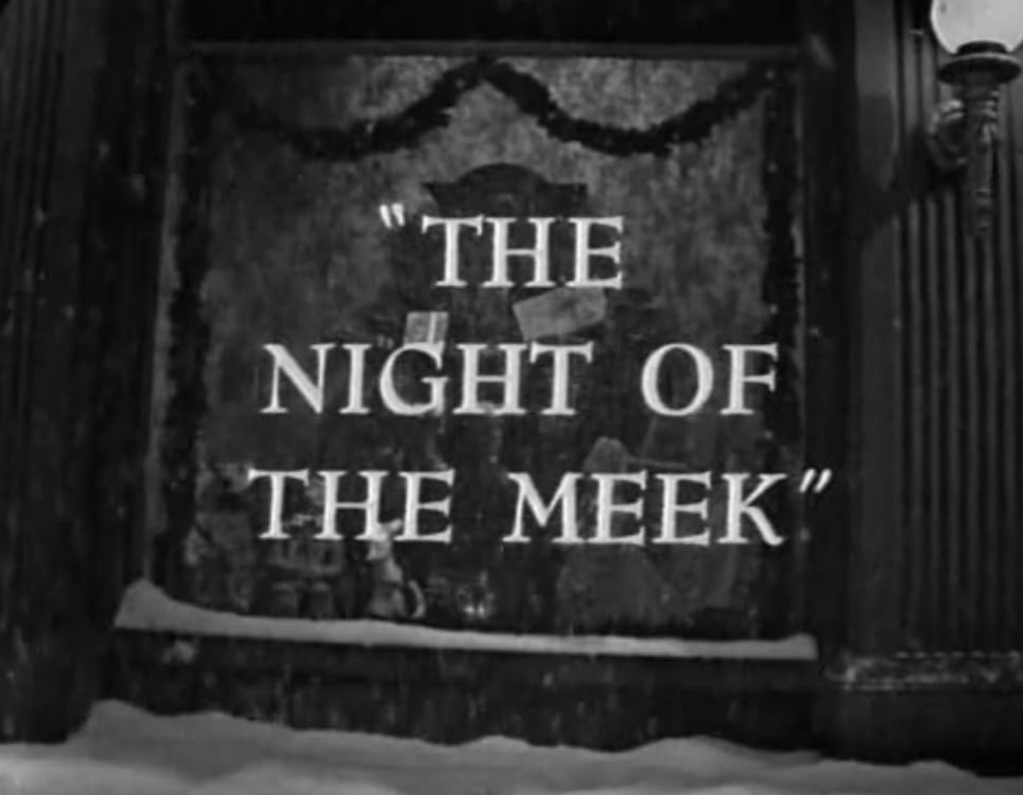
    ” The Night of the Meek” (The Twilight Zone Season 2, Episode 11)

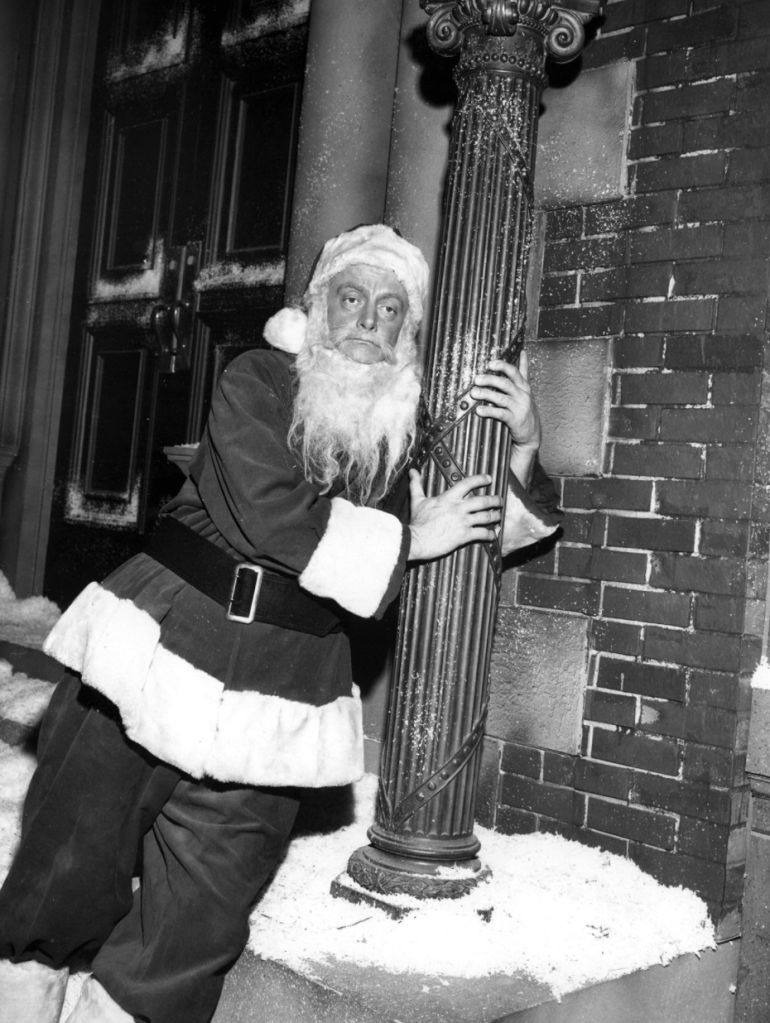
    Henry Corwin in Santa costume, looking the worse for self-inflicted wear

    The Twilight Zone is inarguably one of television’s truly great series. For an anthology show it has a remarkable hit rate. Every such series had its duds but for this show, they are few and far between. Even the weakest episodes have something to them, a line of dialogue or a moment that sparkles. For this writer, Rod Serling is one of the most gifted writers the medium has ever had, and in addition to that was a compassionate person who used his work to connect audiences with their fellow humans, to illuminate the human condition, to encourage us to be better, to do better, to try again. The Twilight Zone often traded in stinging or stirring tales of fantasy, science fiction and sometimes horror. As with many shows, it also had its Christmas-themed episodes and it is one of them, “The Night of the Meek”, covered here.

    Title card for The Night of the Meek

    The macabre in Meek is people. The set up in the episode is following department store Santa and general sad sack Henry Corwin. Corwin doesn’t have much to look forward to other than his next drink. He lives in a ‘dirty rooming house’ and his world is one of hungry children and other ‘shabby’ people just like him. Corwin lives for his Santa routine but the shine has gone out of it.  His suit is old and worn and when he shows up too late and drunk with it for his gig, it’s over – he’s fired and ordered out of the store. Despite all of his woes, Corwin muses if he had one wish, it would be for the meek to actually see some rewards. When Corwin can’t even get back into the bar he frequents, he stumbles down an alleyway where the sound of sleigh bells are heard. 

    Corwin in his Santa costume in the department store, being berated by his boss

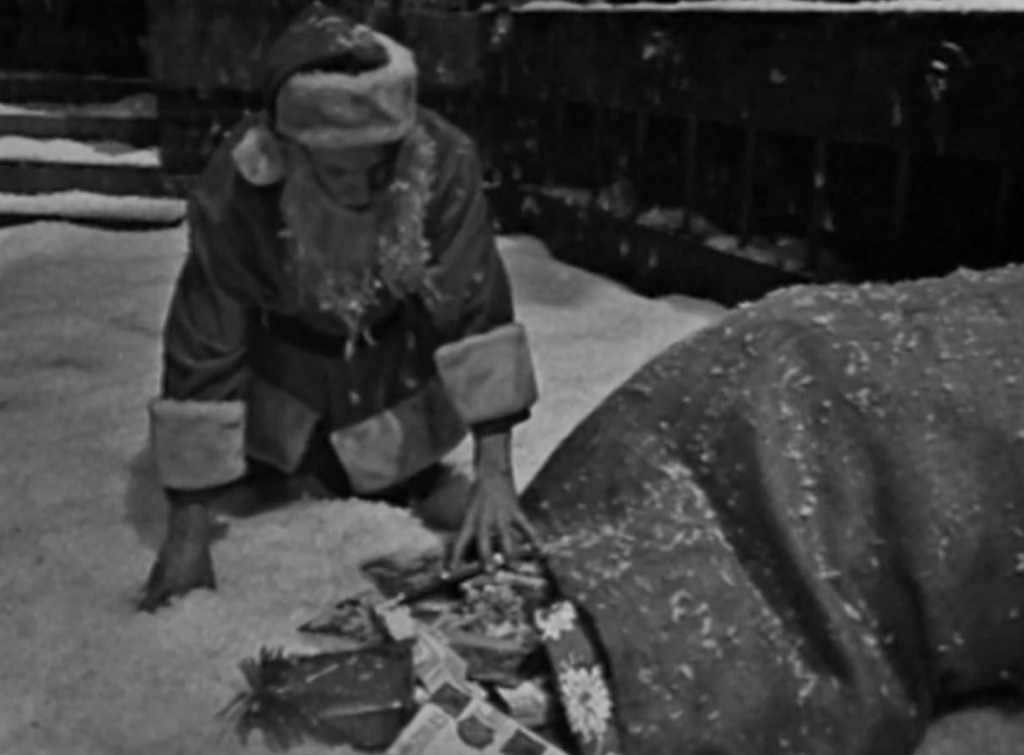
    In the alley, Corwin comes across a sack that he quickly discovers appears to have magical properties. It produces a seemingly never-ending stream of gifts. Whatever someone asks for, they get. His dream coming true, Corwin starts handing out gifts to the poor kids and down and out men nearby. The episode continues with this mix of melancholic reality and fantastical whimsy towards its hopeful conclusion.

    Corwin discovering a sack full of presents in a snowy alley

    In the episode, people are the worst. Everyone expects and looks for the worst in Corwin because that’s the type of guy they think he is. It’s the type of guy Corwin has come to think he is too, and it’s pretty obvious his idealism and hope is frayed and being drowned in a puddle of cheap booze.  Corwin is us – we want to believe in the best of people, but people make it pretty damn hard. Now, Serling had around 25 minutes an episode to do set-up, delivery and conclusion of his stories and so subtlety was not always the prime concern. The characters, Corwin included, are mostly broad sketches, with people like the shop manager Dundee being not much more than functional cliché. They’re ciphers for the point Serling is making about what Christmas can represent. 

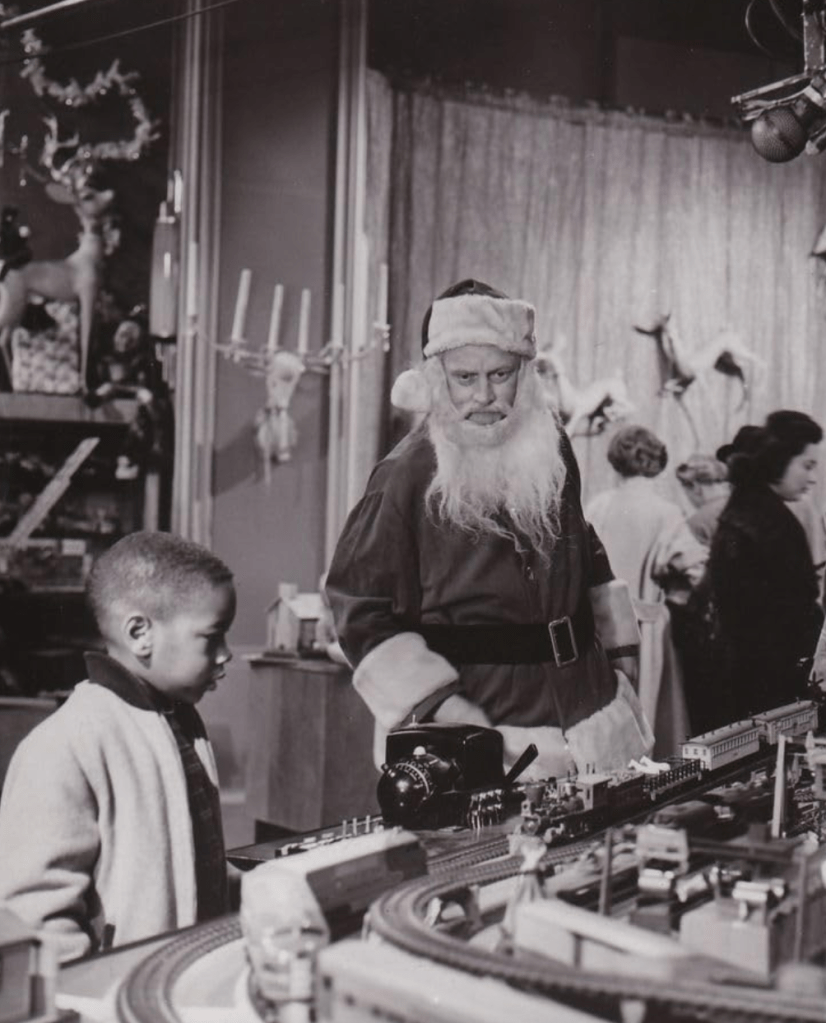
    Corwin watching a young child enjoying a train track set up

    It can, if we let it, represent good will to each other, hope for the future and the unity such celebrations can bring.  If we let go of the hardened cynicism and the weariness, if we let such notions in, even if it’s only for one night we can believe that we’re more good than bad, that’s there something worth saving in us, that we can believe in magic. For many, that’s a hard thing to do in a world, in a world that tells us there’s no magic left, only bleakness and decline. In the time The Twilight Zone was first airing it was only 15 years or so since the end of WW2. It was before Vietnam, race riots, Watergate and innumerable other events conspired to convince even the most indefatigable optimist that we’re on a downward spiral as a species. 

    That’s not to say things were better then as many things were emphatically not. But it’s for this reason that we should arguably let a little magic into our lives. Believing in Santa Claus might have ended a long time ago for most of us but believing in each other, or that there is some goodness out there, is something we all need these days. And if anyone can convince you to believe in your bones that humans are redeemable, it would be Serling.

    Rod Serling in coat covered in totally real snow, speaking to camera

    As Rod himself puts it in the closing narration “There’s a wondrous magic to Christmas”, so here’s to Henry Corwin and here’s to The Twilight Zone and a momentary respite, a sliver of the brightest light in the darkness of winter.

    Cash on Demand

    Cash on Demand title card

    How does Cash on Demand (1961, dir. Quentin Lawrence) evoke a similar joy? Well, it’s not just the ideal Christmas movie but a reminder that, for those of us who might despair at humanity’s worst instincts more days than not, change is possible. Based on the play, it’s the tale of bank manager Harry Fordyce (Peter Cushing), a fussily fastidious man who rules over his branch not so much with a clenched fist but a puckered sphincter. The opening scenes set up the tight-knit team of staff in the bank as they await Fordyce’s arrival. When he does appear their anxious joviality is curtailed and it’s down to the business of money.

    Fordyce looking for flaws in the polished plaque outside the bank

    Not long after this, André Morell pulls up at the bank, his character Colonel Gore-Hepburn supposedly an insurance inspector but in fact a bank robber. Using threats and coercion, Gore-Hepburn forces the unravelling Fordyce to partake in robbing his own bank. Without giving anything away, the plot twists, new wrinkles are added and tension is ratcheted up. Throughout all this Cushing is wonderfully good, ensuring Fordyce is no cliche and imbuing him with humanity throughout. Morell matches him throughout as the smooth, assured, and ruthless bank robber. 

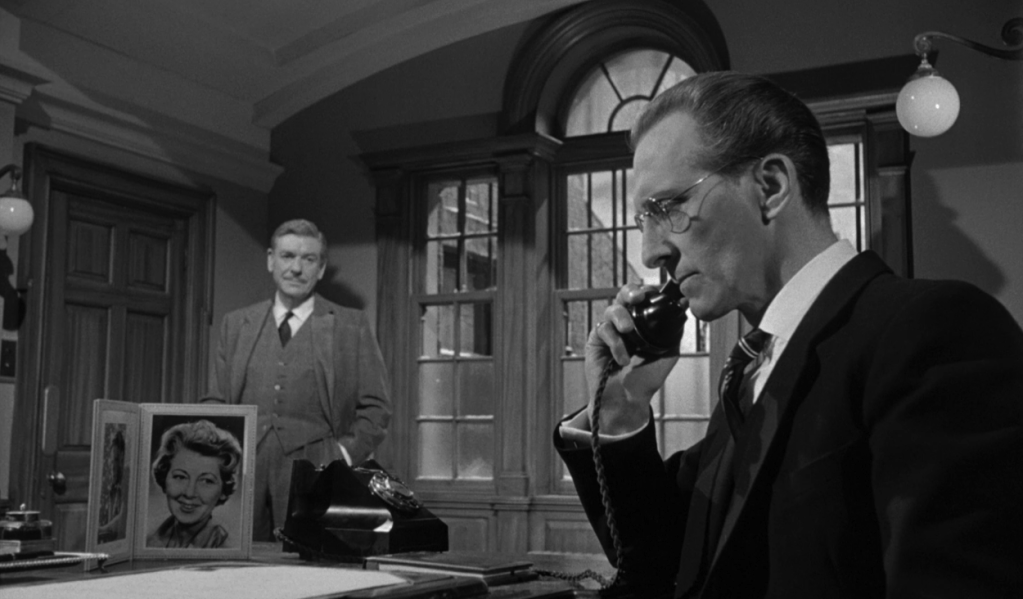
    Fordyce on the phone in his office as Gore-Hepburn looks on, his plan coming together

    Cash on Demand is a twist on A Christmas Carol. Fordyce might not be the wicked man Scrooge was, but he has forgotten what makes a person. He’s not mean to his staff so much as dismissive of their personhood and feelings, only focussing on the bank and profit. We know early on he has a child and wife he feels affection for, but that’s as far as human warmth goes for him. As Gore-Hepburn’s scheme to steal thousands of pounds unwinds, and Fordyce is forced to become part of the heist, he must confront what he has become, what is really important to him, and reconnect with the world he lives in. It’s an uplifting, very human film about hope and change and our ability for both that is just as needed in these modern times.

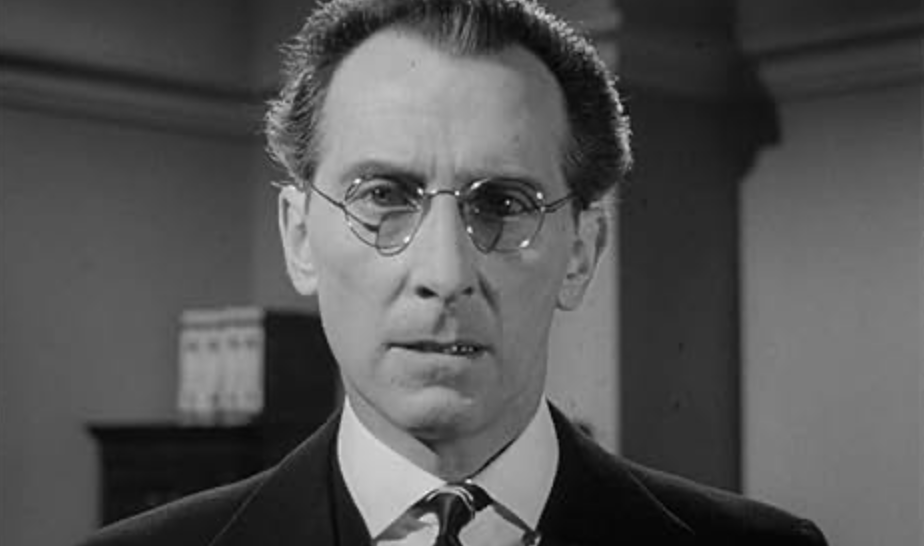
    Fordyce looking directly to camera, a concerned and unsettled look on his face

    The Christmas trappings aren’t window dressing either. The time of year the story is set is intrinsic to the mood and atmosphere of the piece and to Fordyce’s journey. Of course, it’s a fine film that could be shown at any time of year. But what it says about us as people is a classic Christmas message. If you want a beautifully judged thriller, full of quotable dialogue, with one great scene after another, excellent performances, and something to say about what it means to be alive, this is it.

  • The Art of the Silent Film Universe

    Whenever I sit down to a silent film or short, I know it’s going to feel like absolutely nothing else in the world of cinema, regardless of whether it’s a comedy, drama, horror, et al. Silent film is something completely unique. It’s long felt to me like a dreamworld of a kind, a doorway into another world of sensory sensation. There’s a fairly obvious difference between silent film and its sound-synced descendant, but it’s much more than just that. Finding a way to articulate this other than just using words like ‘dreamworld’ has been the hard part, because they don’t even begin to do the experience justice.

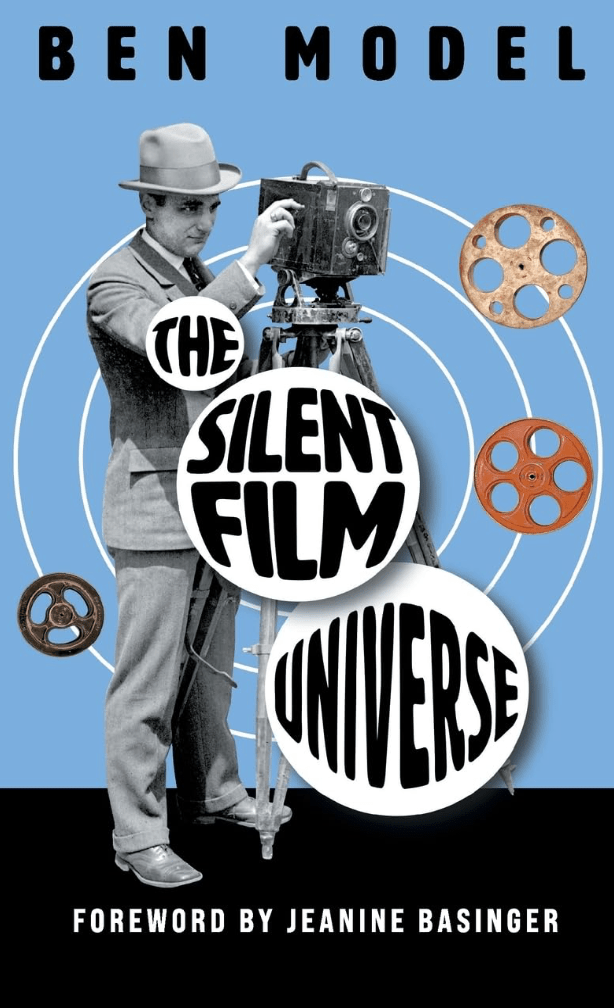
    Fortunately, for this piece I don’t have to rummage through my trusty bag of adjective clichés, because Ben Model has written what is already, in my opinion, one of the foundational texts for understanding cinema, and in this case, silent film. Model has been a silent film fan since his childhood. He turned this into a career as accompanist to thousands of showings of films and shorts across the world in the last four-plus decades, as well as introducing, lecturing on, and writing about silent film. Model is also a committed preserver of a huge range of silent film, too, with his label Undercrank Productions crowdfunding and producing invaluable releases of restored gems.

    In his new book, The Silent Film Universe, Model doesn’t want to give us a history of silent film or its performers and directors. After all, there are several classic books already out there on almost any aspect of the first few decades of film, should you want to explore. Instead, Model uses The Silent Film Universe to go into detail on just what it is that makes this form of the moving image so uniquely beguiling and enjoyable. It has been said that you cannot experience silent film in the way you might a talking picture, simply because it requires your full attention. Look away from the screen for a minute or two and you will have missed something vital. There will never be a silent film made for Netflix. It demands our investment.

    Model unpicks this relationship between viewer and film, what it asks of us as an audience, and the way it rewards us. The book covers how the lack of synced sound, the use of intertitles, the style of acting and performing, and the ways in which films are presented are essential elements that create something that stands completely on its own. These are not to be dismissed as just ‘old films’, they are vital and alive a century or more after they were made. Model’s biggest focus throughout is on cranking for shooting and frame speeds for performance and how this created an alchemy that is remarkable and not replicated anywhere else in the world of cinema. It is as deeply thought out and passionately argued a revelation on the process of creating – from production to the experience the audience has – as you will find in writing on film.

    Something that is clear from Model’s career and work is his love of silent film and also his belief that it is no thing of the past, but an art form that offers something to every successive generation that discovers it. It’s because of this that The Silent Film Universe is no dusty dissertation given a nice cover and put out for a narrow audience. Instead, the book is written in a knowledgeable but conversational way, as if Model is sitting across from you in a bar somewhere telling you how exciting and interesting silent film is in a way that sweeps you happily along. He’s also done the experimentation and research to support his theories on how silent film works and why it works. This is a book that expertly balances learning and love for its topic. He wants you to love and appreciate this wonderful universe as much as he does.

    If you have an interest in silent film or film in general and want to learn something revelatory about this beautiful, special art form, get this book. If you just enjoy reading something on a topic by someone who knows and loves what they are writing about, get this book. Ah, just get this book.

    You can buy The Silent Film Universe here: https://undercrankproductions.com/the-silent-film-universe/

  • Modern horror writing at its best

    I want to write a little bit about two recent book releases that share some thematic crossover and urge you to check them out. Both books are remarkable pieces of writing and deserve a wide audience. A fair warning: the books deal with gnarly subjects and this piece references them throughout, so if you’re put off by mentions of grief, illness, gore and the like… read no further. No spoilers, however.

    In Phengaris, we meet 17-year old Mark, a young man adrift. He is looking after his terminally ill mum, a parent with whom his relationship is conflicted to say the least, his dad disappeared years ago, and all Mark really wants to do is get high and tune out of the relentless noise of his life. He thinks he’s found the perfect spot in nearby Thurstrop Wood and an abandoned workshop yard. Unfortunately for Mark, something no longer human there has seen him and doesn’t want to let him go.

    Phengaris opens with a visceral description of a body mutilated by disease and something disturbingly unnatural. It sets the tone for what follows, as Mark becomes consumed by the mystery of Thurstrop Wood and how it connects to his family, revealing secrets that have been buried for years. There’s other things buried in the woods, too, and they are coming to the surface. Orridge writes with skill and empathy about the burden of youth, and of illness, and about the unforgiving way bodies attack themselves at the same time as the world around us weighs down on us. There’s a thread of ecological awareness, too, and a focus on the nature of parasitical behaviour.

    It’s also concerned with what it means to be human, and how family connections not even escapable by death bond us together for good and for ill. Orridge has a beautiful way with phrasing and illuminates the secondary and minor characters in a way that brings them vividly to life. Sadness and melancholy and loss knot their way through Phengaris, as does a quietly effective rage. It’s ambitious, passionately alive, and makes the personal deeply political.

    Fleischerei by Saoirse Ní Chiaragáin has some complimentary themes but is a radically different experience. In it, we are introduced to Órfhlaith, living in Berlin and working as a content moderator. Órfhlaith is a bloody ball of grief, guilt and self-loathing, punishing and exciting herself with masochistic fantasies. When she moves their focus onto her sickly, compellingly unreadable colleague Arnaud, the wall between her interior darkness and the world around her unravels. As their romance develops, they find in each other a shared yearning for emotional dislocation and physical mutilation. Órfhlaith just wants to know Arnaud, but is it ever really possible to know someone else, no matter how much a part of you they become?

    This is a troubling, affecting work. Intimacy throughout is a transgression that leads to violence and permanent scarring. It’s a confrontingly visceral book and will make you look at the concept of ‘meat’ substantially differently afterwards. It is also fearless about making bodies and consumption and grief defiantly, unapologetically political and challenging us to think about what that means.

    Fleischerei is putrid as it builds its grotesque concoction of smells, tastes, sensations and consumption. It’s about the interior as pungent reflection of what is outside of us, what is done to us. Again, this is a book concerned with what makes us human and what it is to be human, and offers no easy answers, preferring instead challenges to expected narrative conventions. An unrelentingly brave, compassionate work of art.

    Phengaris and Fleischerei are both outstanding, personal, feminine, bleakly beautiful works of modern horror writing at its best. I highly recommend you experience them.

  • Motherfucker

    (A short fiction)

    I have been waiting too long for you to come and pick me up. It’s cold and wet; this mist rain is papercutting my eyes. Getting darker too, and the cars passing by now have their headlights on. The change from day to night usually creeps up on me, so I don’t notice until I look up and everything is shaded with black. But headlights jar my brain into paying attention in a way I don’t care for. 

    Where are you? 

    I don’t want to get into another stranger’s car, but I’ll do it if you’re not coming. 

    If you’re trying to hitch a ride and you’re not pretty, it’s hard fucking work. I stick out my thumb and try to look as pathetic as possible. My shirt jacket is getting soaked through and my hair is getting welded to my forehead. The rain is making me blink, like I’m crying. It’s going to be some fucking psycho that picks me up, but if he’s got a warm heater running, I’ll take my chances.

    Where are you?

    A few cars drive by me, splashing my boots and the bottom of my jeans with water, until a flatbed truck pulls over. I run up to the door and don’t even look in before I open it and slide into the seat, slipping my backpack between my legs. I look over at whatever abomination took pity on me. He’s twice my age, hair growing out of every hole in his head, even his eyes, I swear to God.

    “Not a good road to be thumbing a lift on, buddy,” he says. 

    “I know, I know,” I say, looking down at my hand gripping the bag’s top loop. “I’m just glad someone stopped. Thank you.”

    I look up and catch him giving me a disgusted appraisal. He turns his head to the road and pulls the truck back into the descending night.

    “Been a few people killed along here. I mean, there’s been lots over the years, but more than a few recently.”

    I let his statement hang in the air long enough for both of us to move on.

    “I only need the next town along, if you’re going that way?”

    “I’ll drive through it,” he says, and it sounds like a threat somehow.

    Where are you? 

    I was sick of waiting but I think this is a bad idea.

    This guy isn’t a talker, thankfully, and we slip into silence. The sound of his windscreen wipers scrapes the glass like some doomsday metronome. 

    I sweep my hair back with one hand and rub my palm down my damp jeans like it’ll somehow dry it. I’m starting to get warm now, my clothes still clinging to me, but not enough now I can’t feel I haven’t had a shower or bath in days. Not since we argued. Not since you told me it was done. We were done. You said being with me was like a slow suicide. 

    Do you remember when we were new and I got lost so easily? You told me whatever happened between us and wherever I ended up, you would find me. Come get me.

    Where are you?

    I hear the guy trying to clear his throat like a fist is stuck in it. He can’t do it. It starts to sound like choking. When I look over at him, he’s already going purple. The truck drifts to the side of the road, running over gravel towards the ditch. I feel the lurch in my stomach as we tip into it and grind to a halt, the truck deep enough in to nearly be on its side. 

    Dirty water starts collecting around me. The guy is gone now, slumped towards me, looking down at me like some distended old ventriloquist puppet, only his seatbelt stopping him from crushing me down into the black water that’s filling up the cab, reaching up for my head. I don’t know how I’m going to get out of this one. 

    I have been waiting too long for you to come and pick me up. 

    It’s cold and wet; this mist rain is papercutting my eyes. Getting darker too, and the cars passing by now have their headlights on. The change from day to night usually creeps up on me, so I don’t notice until I look up and everything is shaded in black. But headlights jar my brain into paying attention in a way I don’t care for. 

    Where are you? 

    I don’t want to get into another stranger’s car, but I’ll do it if you’re not coming. 

    (This story inspired in part by Greet Death’s song ‘Motherfucker’)

    https://greetdeath.bandcamp.com/track/motherfucker